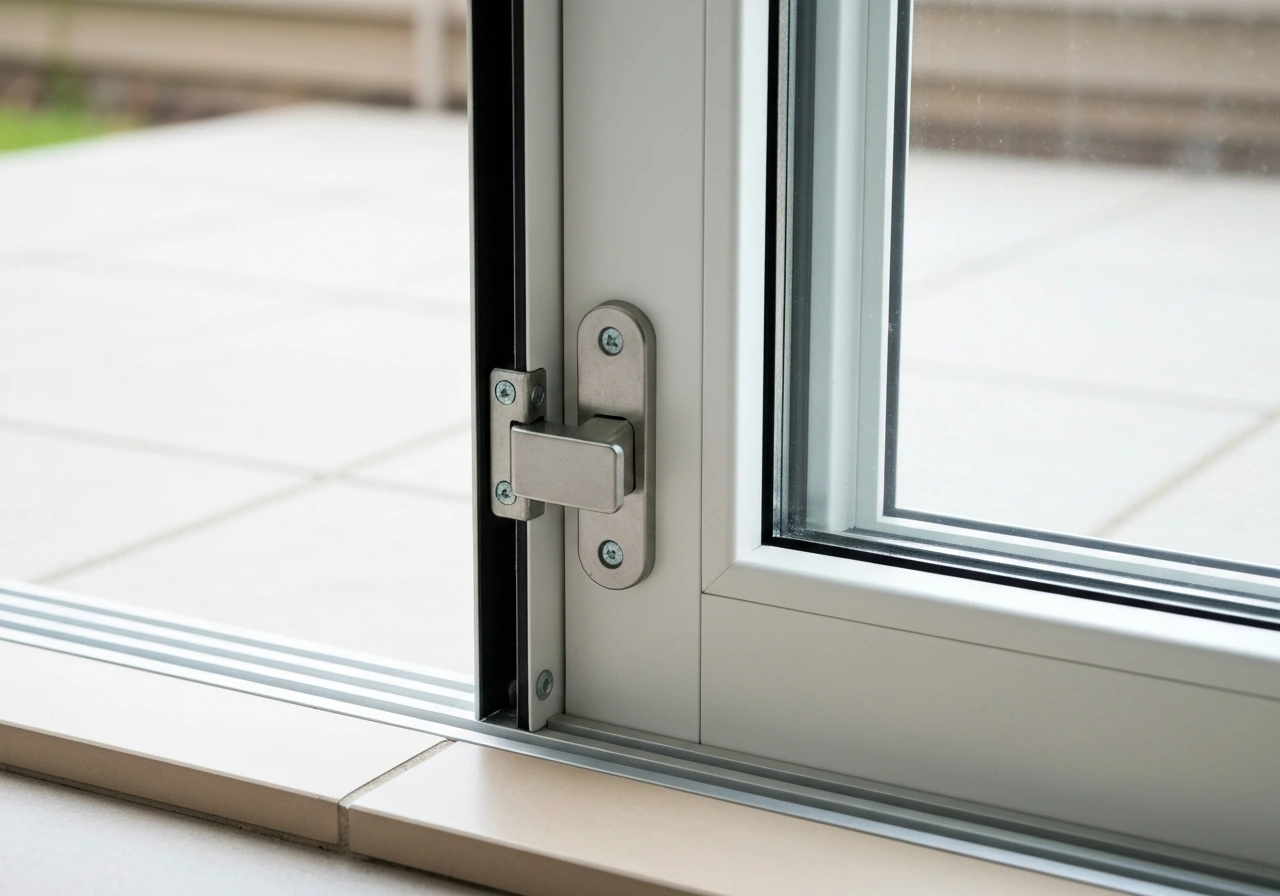
The most common forcible entry technique used against patio doors is lifting a sliding panel off its track, followed closely by prying the latch, breaking the glass near the lock, or simply walking through a door that was never locked. For hinged patio doors like French doors, the usual attack is prying the panels apart at the center or breaking the glass to reach the lock hardware. None of these methods are sophisticated, which is exactly why they work so often, and why the fixes are surprisingly straightforward.
Which Is a Forcible Entry Technique for a Patio Door

Jamie Archer
13 Jun 2026
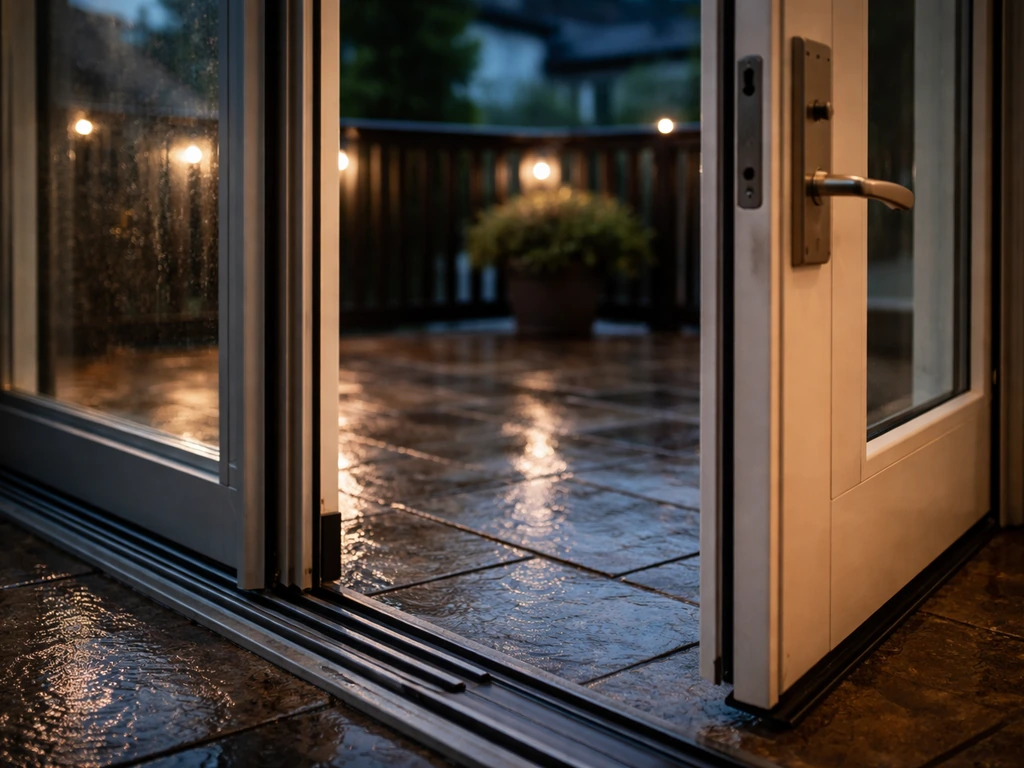
Common Patio Door Break-in Risks: Sliding vs. Hinged
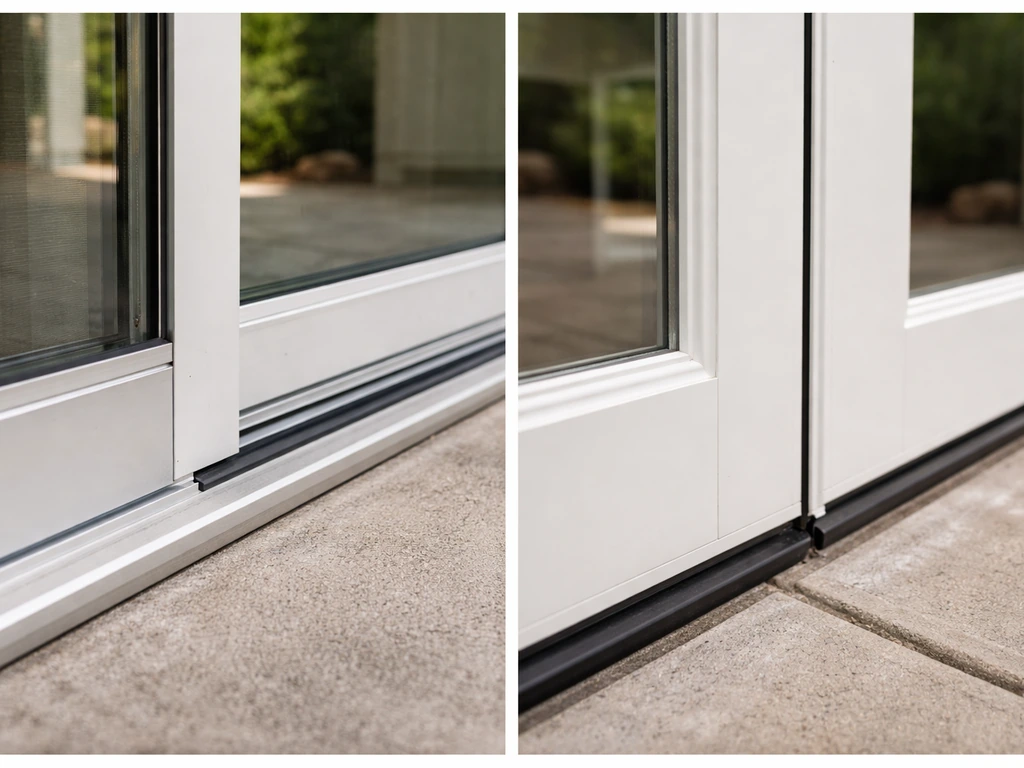
Sliding glass doors and hinged patio doors (like French doors) get attacked differently, so the defenses are different too. It helps to understand which category you're dealing with before you start making upgrades.
Sliding Glass Doors
Sliding panels sit in a track system and are held in place more by gravity and track depth than by any mechanical fastening. That design convenience creates four real-world vulnerabilities that burglars exploit regularly. According to home security research, the four common attack pathways are: lifting the panel out of the track entirely, prying or manipulating the latch, breaking the glass near the locking hardware, and walking through a door that's simply not locked. The first two are the most popular because they're quiet and fast. A worn track, shallow roller depth, or a misaligned latch keeper can make any of these attempts easier than they should be.
Hinged Patio Doors (French Doors)
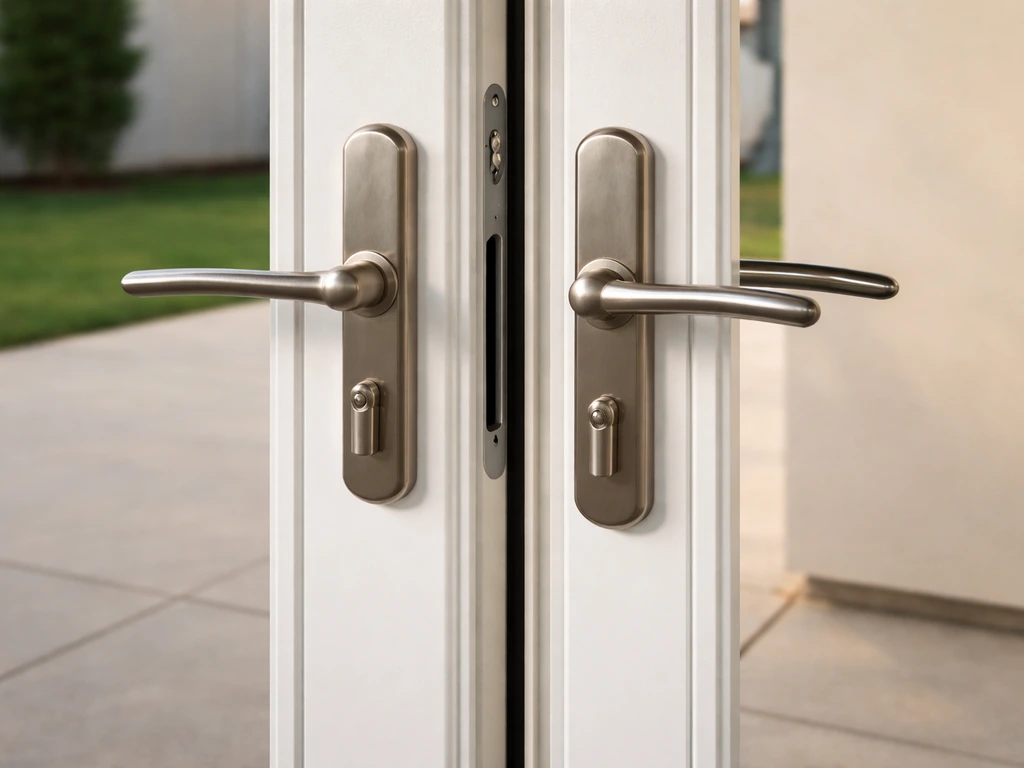
French-style patio doors don't have the lift-off-track vulnerability, but they have their own weak spots. The main attack is prying the two panels apart at the center seam where they meet, which bypasses the lock without touching it. The second pathway is breaking the glass to reach and turn the interior lock handle directly. A standard single-point deadbolt at the center of a French door can often be defeated this way because the glass is right there. Hinged doors with exposed glass panels near the lock hardware are especially vulnerable to the glass-break-and-reach method.
| Door Type | Primary Attack Method | Secondary Attack Method | Key Vulnerability |
|---|---|---|---|
| Sliding glass door | Lift panel off track | Pry or manipulate latch | Shallow track depth, worn rollers, misaligned keeper |
| Hinged / French door | Pry panels apart at center | Break glass to reach lock | Weak strike plate, single-point lock, glass adjacent to hardware |
How to Inspect Your Door for the Weak Points Attackers Target
You can do a solid inspection in about 15 minutes with no tools. Work through each area systematically.
Sliding Door Inspection
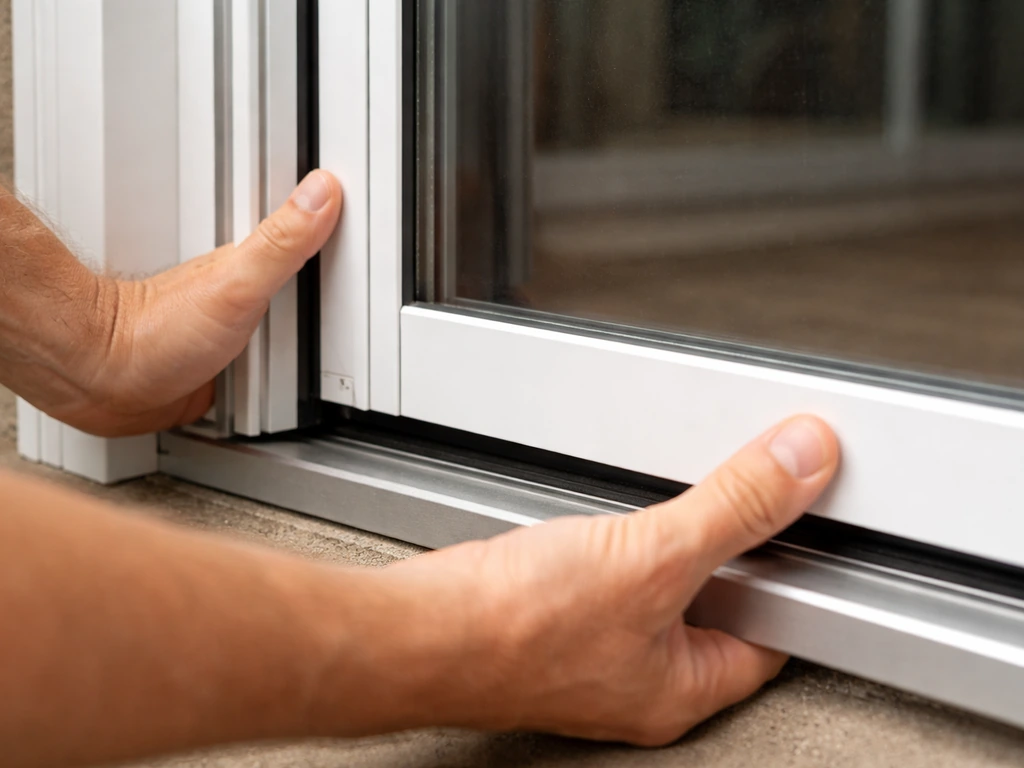
- Lift test: With the door closed, grab the panel and push up firmly. If it lifts more than about a quarter inch, or if you can feel it moving toward coming out of the track, the upper track clearance is too generous and the rollers need adjustment or the track needs an anti-lift device.
- Latch engagement check: Lock the door and then try to push the panel sideways with moderate force. If the latch gives or the panel slides even a little, the keeper (the strike plate the latch hooks into) is misaligned or worn.
- Roller condition: Slide the door back and forth. It should glide smoothly with no grinding, catching, or wobbling. Resistance or wobble usually means dirty or worn rollers, which also affects how well the latch aligns.
- Track condition: Crouch down and look at the bottom track. Built-up debris, bent sections, or deep grooves in the track will throw off roller height and latch alignment at the same time.
- Glass and frame: Look at the corners of the glass panel for any existing chips or cracks. Check the frame corners where the panel meets the door jamb for gaps that could be pried open.
Hinged Door Inspection
- Frame gap check: Close the doors and look at the center seam. If you can see daylight or slip a credit card through, the gap is too wide and a pry attack is easier.
- Strike plate check: Open the door and look at where the deadbolt and latch bolt enter the door frame. If the strike plate is thin (looks like it came factory-installed and thin as sheet metal), it's likely only held by short screws into the door jamb trim, not the structural framing behind it.
- Hinge inspection: Check that all hinge screws are tight. Loose hinges let the door sag, which creates gaps at the latch side.
- Glass proximity to lock: Stand outside and look at how close the glass panels are to the lock handle and deadbolt. If someone could break a pane and reach the interior hardware, that's your highest-risk vulnerability.
Immediate DIY Fixes for Latch and Lock Alignment
A latch that doesn't fully engage is one of the most exploitable weak points on any patio door, and it's almost always fixable without buying anything new. The root cause is almost always a keeper (or latch receiver) that's shifted out of alignment with the latch actuator on the door panel.
Adjusting the Keeper on a Sliding Door
The goal is simple: the center of the keeper needs to line up with the center of the latch actuator on the operating panel. Loosen the keeper screws just enough to shift it, slide it up or down until the latch clicks in smoothly with no resistance or slop, and then retighten the screws firmly.
Test by locking the door and trying to slide the panel. It should feel solid with no movement. Manufacturers like Viwinco and Andersen both document this as a standard adjustment, and on most doors it takes under five minutes. If the keeper screws are stripped or the mounting holes are wallowed out, use slightly longer or wider screws to get a solid bite, or fill the holes with wood glue and toothpicks before resetting.
Adjusting Roller Height
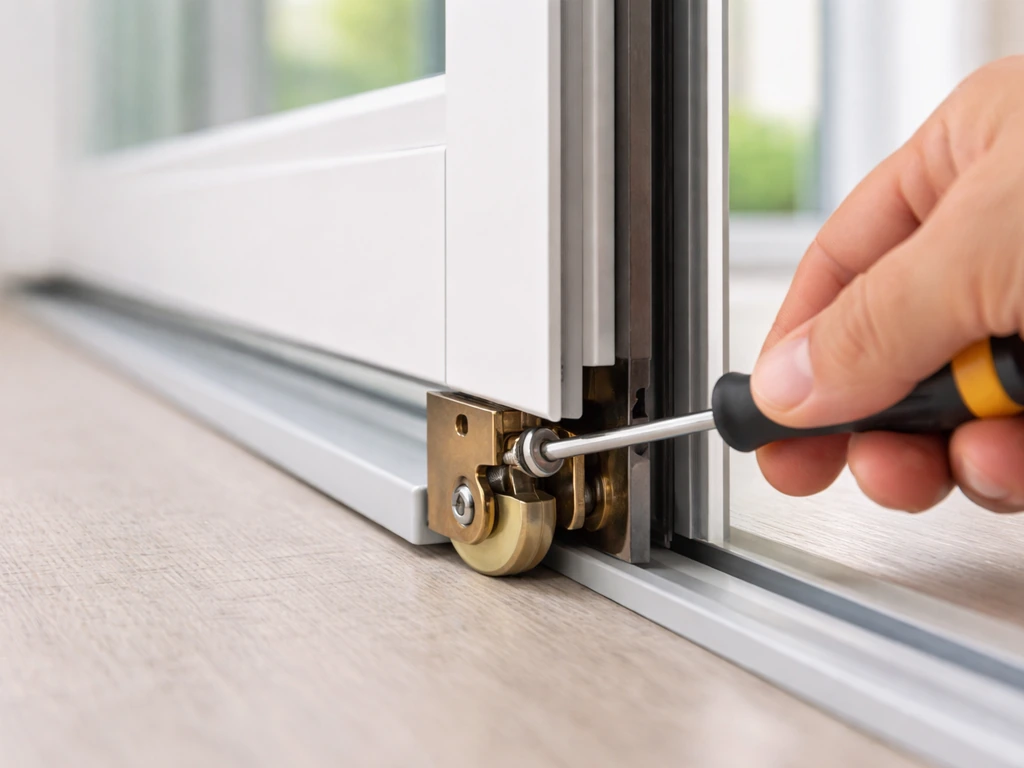
Roller height directly affects latch alignment because it controls where the panel sits relative to the frame. Most sliding doors have roller adjustment screws accessible through small holes at the bottom edge of the panel, usually covered by a plastic plug. Use a Phillips screwdriver: turning clockwise raises the panel, counterclockwise lowers it. Raise the panel until the latch and keeper are centered with each other and the door slides smoothly. Don't over-raise it or the panel will bind against the upper track.
Hinged Door Latch and Deadbolt Fixes
If a French door latch or deadbolt isn't engaging cleanly, check whether the door has sagged by looking at the gap around the frame when it's closed. Tightening all hinge screws and replacing any that are stripped (again, longer screws that reach the structural framing) often fixes latch misalignment without touching the lock hardware at all. If the strike plate mortise in the frame is positioned wrong, you can chisel it slightly in the direction needed and reposition the plate.
Track, Rollers, and Anti-Lift Measures for Sliding Doors
Preventing the lift-off-track attack is one of the most impactful things you can do for a sliding door, and most of the fixes cost almost nothing.
Anti-Lift Screws in the Upper Track
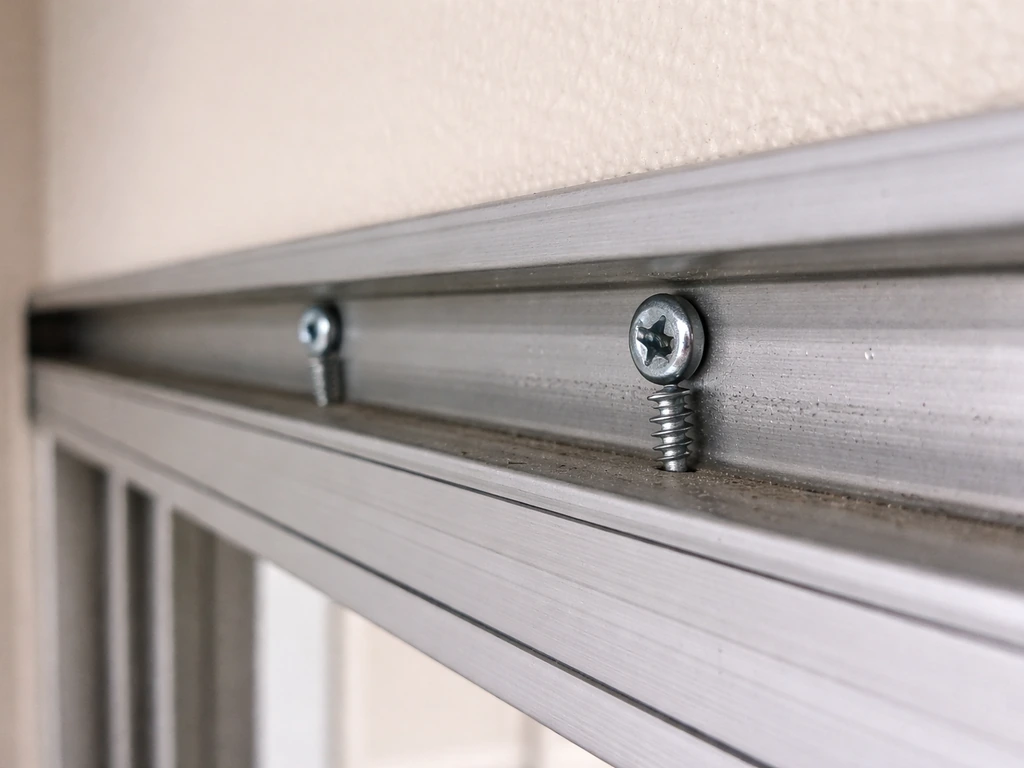
The simplest and cheapest method: install two or three self-tapping screws halfway into the upper track, spaced evenly across the span of the sliding panel. The screws sit just above the top edge of the panel when it's in the closed position, leaving just enough room for normal operation but not enough room to lift the panel out. You want about 1/8 inch of clearance between the screw head and the panel top. This method is recommended by multiple law enforcement crime-prevention guides as the minimum baseline anti-lift fix, and it takes about ten minutes with a drill.
Through-the-Frame Security Pins
A Charlie bar (a horizontal bar that braces against the door frame) or a security pin drilled through the door frames at an angle prevents the sliding panel from moving sideways even if the latch is defeated. These are sold at most hardware stores for under $20 and require only a drill and a few minutes. Position the pin or bar so it's easy to operate from inside but not accessible from outside.
Track Maintenance That Affects Security
A dirty or damaged track causes rollers to sit unevenly, which throws off latch alignment and makes the door harder to operate. Clean the bottom track with a stiff brush and vacuum out debris, then wipe it down. Check for bent or gouged sections and flatten them with pliers if possible. Inspect the rollers for flat spots or cracking. Worn rollers drop the panel height unpredictably, which means your latch alignment fix won't hold. Roller replacement is a moderate DIY job but worthwhile if the door feels rough even after cleaning.
Reinforce the Frame, Strike Plate, and Glass Areas
Strike Plate Upgrade
The factory strike plates on most patio doors are thin stamped metal held in by screws that only reach the door jamb trim, not the structural 2x4 framing behind it. A pry attack on the latch side of the door can split that trim away from the framing easily. The fix is a heavy-gauge reinforced strike plate (sometimes called a security strike plate or door reinforcement kit) with 3-inch screws that reach the actual framing. This is one of the most effective upgrades you can make on a hinged patio door for under $30. Law enforcement crime-prevention guidance consistently points to the strike plate area as the most common failure point under a pry attack.
Frame Reinforcement for French Doors
French doors are vulnerable at the center astragal (the vertical strip where the two panels meet) blank" rel="noopener noreferrer">because prying there can push both latches away from their strike plates simultaneously. Adding a multi-point locking system, or at minimum adding surface-mounted flush bolts at the top and bottom of the inactive panel (the one that doesn't normally open), removes the single-point vulnerability. You can still secure a patio door even if there’s no deck to anchor into, by focusing on the frame, lock hardware, and the gap sealing points secure a patio door with no deck. The inactive panel bolts should engage into the frame header and threshold, not just into the other door panel.
Glass Security Film
Security film won't stop someone from breaking the glass, but it holds the broken pieces together and significantly slows down the process of clearing an opening. For doors where the lock hardware is close to the glass (which is nearly every patio door), this extra few seconds of delay is meaningful. Apply 4 to 8 mil safety/security film to the interior glass surface. It's available in rolls and can be cut and applied DIY-style in an afternoon. This addresses the glass-break-and-reach pathway on both sliding and hinged doors.
Upgrades and Maintenance Schedule for Long-Term Security and Weatherproofing
Security and weatherproofing overlap more than most homeowners realize. A door that's drafty usually has alignment or seal issues that also affect how well the lock engages. Keeping both in good shape is part of the same maintenance routine.
Hardware Upgrades Worth Considering
- Sliding door: Add a secondary blocking bar or Charlie bar in the track for a second layer of defense beyond the factory latch.
- Sliding door: Install a keyed secondary lock (a surface-mounted lock that bolts the panel to the frame) if the door is in a higher-risk area.
- Hinged door: Upgrade to a multi-point locking system that engages at three or more points along the door height instead of just the center.
- Both types: Replace any lock that you didn't choose yourself (factory latches on older doors are often minimal quality) with a Grade 1 or Grade 2 deadbolt rated for exterior use.
- Both types: Consider a door/window sensor on the patio door as part of a broader home security setup.
Seasonal Maintenance Schedule
| Frequency | Task | Why It Matters for Security |
|---|---|---|
| Every 3 months | Clean the bottom track and inspect rollers | Debris and worn rollers cause panel drop, which misaligns the latch keeper |
| Every 6 months | Test latch engagement and adjust keeper if needed | Seasonal temperature changes cause frame expansion/contraction that shifts alignment |
| Every 6 months | Inspect weatherstripping around the frame | Compressed or missing weatherstrip creates frame gaps that can be exploited with a pry tool |
| Annually | Check all screws in hinges, strike plates, and keeper | Screws loosen over thousands of open/close cycles; loose hardware is the first step toward a failed defense |
| Annually | Lubricate rollers and track with silicone spray (not WD-40) | Proper roller operation keeps panel height consistent and latch aligned all year |
| Every 2 to 3 years | Inspect security film for bubbling, peeling, or UV damage | Degraded film loses its ability to hold broken glass together |
Weatherproofing and security reinforce each other here. A door that seals tightly is a door where the frame gap is too small for a pry tool to get purchase. Re-applying weatherstrip when it gets compressed is a security fix as much as a comfort fix.
Quick Security Checklist for Today
Run through this list today. Follow the steps in this security checklist to learn how to secure patio doors effectively. Most of these take under 10 minutes each and cost nothing or nearly nothing.
- Lock the door and lift the sliding panel (or tug the hinged door) to test resistance. Any give means you have work to do.
- Inspect the keeper/strike plate alignment. If the latch doesn't click in cleanly, loosen, realign, and retighten the keeper screws.
- Install anti-lift screws in the upper track of any sliding door if they're not already there.
- Place a cut-down wooden dowel or metal security bar in the bottom track of any sliding door as a backup to the factory latch.
- Check strike plate screws on hinged doors. If they're shorter than 3 inches, replace them with 3-inch screws that reach the structural framing.
- Look at the glass for chips or cracks, and assess whether security film would be worth applying given how close the glass is to your lock hardware.
- Test that every lock and deadbolt on the patio door actually works: turn it, test it, verify it engages fully.
- Plan your next steps: order a reinforced strike plate, security film, or a secondary locking bar if your inspection flagged any gaps.
If you want to go deeper on any of these areas, the related topics on securing sliding glass doors, locking patio doors properly, and specifically hardening French-style patio doors cover each in more detail. The same maintenance mindset applies whether your door is new or decades old: keep the hardware adjusted, keep the track clean, and layer your defenses so no single weak point is the whole story. If you want step-by-step guidance on how to secure a French patio door, focus on locking hardware, the center seam, and the glass-break-and-reach risk layer your defenses.
FAQ
Is there a way to tell if my patio door is being attacked by lifting-off-track versus latch manipulation?
Yes. If the door is found slightly misaligned, the rollers look dropped, or the latch keeper shows wear, it suggests latch manipulation or misalignment. If you see fresh scuffing along the upper track or the sliding panel can be lifted more easily than usual, it points to lift-off-track risk, especially if the door’s roller height is low or the track is worn.
What are the signs that my sliding door’s rollers need adjustment or replacement?
Look for uneven gaps at the top and bottom of the frame, a door that drifts when partially closed, grinding or scraping as it moves, and latch engagement that feels inconsistent even after you adjust the keeper. Flat spots or cracking on rollers usually show up as a visible deformity and correspond to rough movement that cleaning alone cannot fix.
When adjusting the keeper, how do I know I’m tightening it correctly without making things worse?
After loosening and shifting the keeper, lock the door and try sliding it multiple times. It should close with a firm but smooth click, and you should not feel “catching” mid-travel. If you over-adjust and the latch drags, back off slightly, realign the keeper to be centered on the latch actuator, then retighten firmly (not stripped tight).
My latch engages, but it still has slop or movement when locked. Should I change the latch or the strike plate?
Start with the strike plate area, because thin stamped plates often loosen or shift under pry force. If tightening screws does not remove play, upgrade to a reinforced security strike plate with screws that reach structural framing. Only after that should you consider replacing a latch component, since many “bad latch” symptoms are alignment issues.
How can I confirm the “two or three screws in the upper track” method for anti-lift was installed in the right spot?
Verify that with the door closed, the screw heads leave about 1/8 inch clearance from the panel top and that the panel still rolls smoothly along the upper track. If you can lift the panel enough to create clearance, the screws are too low or too far forward. If the door binds at the top, the screws may be too close to the panel, or the roller height needs correction.
Are Charlie bars or security pins compatible with all sliding doors?
They work best when you can drill or brace into a sturdy door frame member. Before installing, check the frame depth, material (wood studs versus trim), and whether the bar or pin would block normal operation from inside. If the area you plan to drill is only trim, you may need different mounting hardware so the anchor reaches structural framing.
For French patio doors, is it enough to just add flush bolts to the inactive panel?
It’s a strong baseline, but make sure the bolts line up into the frame header and threshold, not into the other door panel. Misalignment is common because hinge sag or incorrect strike positioning can prevent top and bottom bolts from fully engaging, even when the seam looks straight when closed.
What should I do if my French door center seam still opens easily after adjusting hinges and strike plates?
Check whether both latches are fully capturing their strike plates when the door is closed with normal pressure. If one latch stops short, you likely have a strike plate depth or position issue, or a hinge sag that affects alignment under load. Reposition the strike plate mortise or replace stripped mounting hardware, then re-test engagement before relying on center-seam defenses.
Does security film replace strengthening the lock hardware or strike plate?
No. Film mainly slows the glass-break-and-reach route by keeping shards together, but it does not stop prying attacks that defeat latches or strike plates. Use film as an extra layer, then prioritize keeper alignment, reinforced strike plates, and (for French doors) multi-point locking on the inactive panel.
How do I prevent weatherproofing upgrades from interfering with lock engagement?
When you replace weatherstripping, avoid letting the seal force the door outward or upward at the wrong points, because that changes the latch/keeper relationship. After any weatherstrip change, confirm the latch clicks smoothly with no resistance, and re-check roller height or keeper alignment if the door feels slightly harder to lock.
Next Article
How to Lock a Patio Door Inside and Outside DIY Guide
Learn how to lock patio doors inside and outside, troubleshoot stuck latches, and add security upgrades.