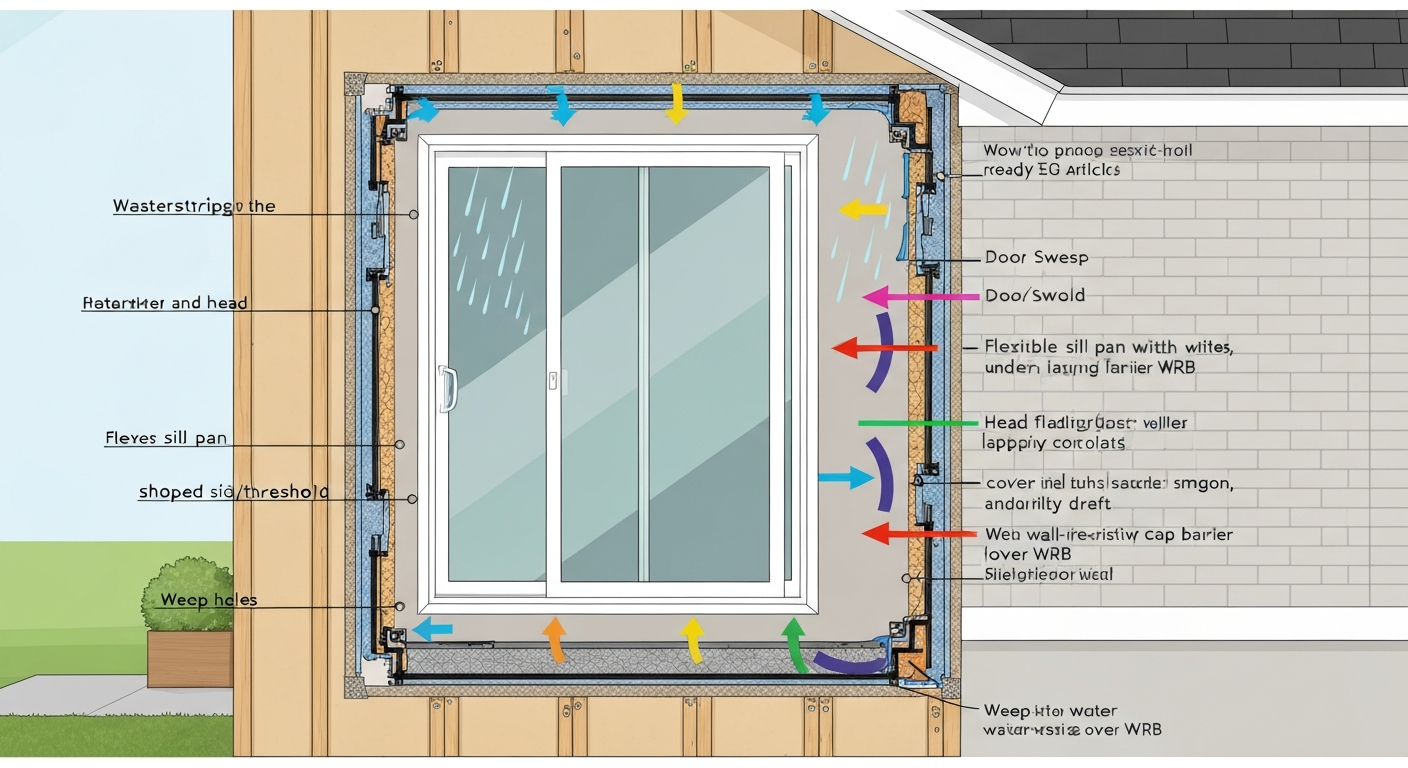
A sliding glass patio door has three real weak points: the latch, the track, and the glass itself. If you are trying to understand how to break into patio doors, those weak points are the starting place for learning what to secure and how to test your own door’s defenses sliding glass patio door has three real weak points. Most break-ins exploit one of the first two, and the fix for each is straightforward.
How to Secure a Sliding Glass Patio Door: Locks

Jamie Archer
6 May 2026
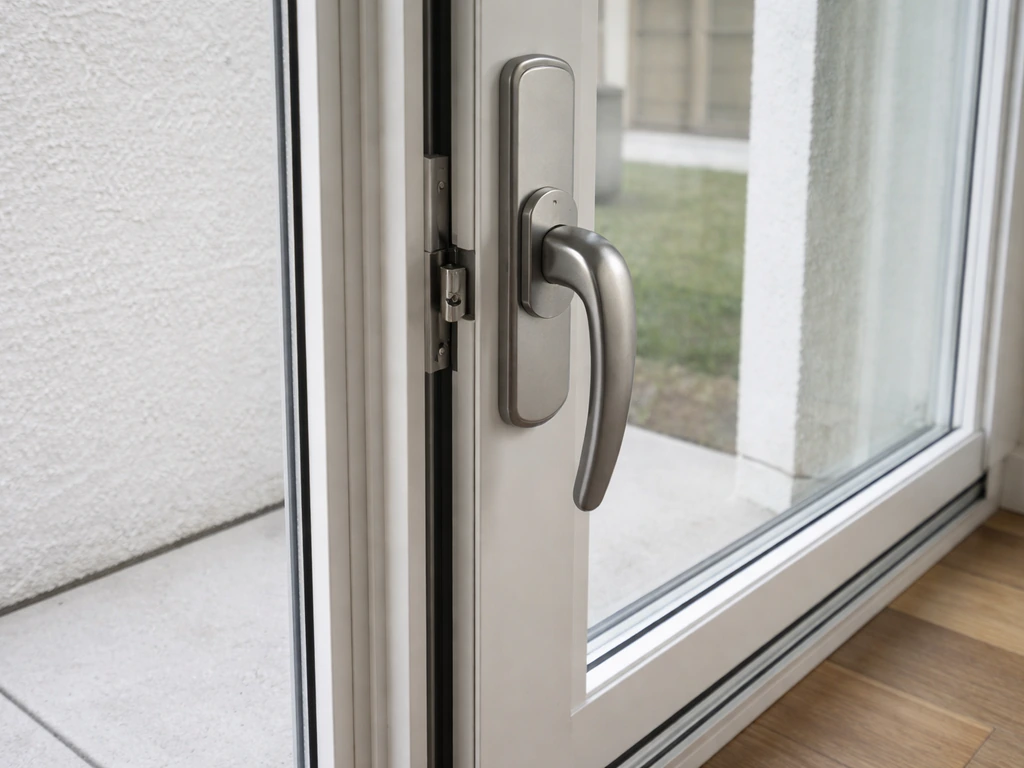
Lock the door correctly so the hook or bolt fully engages the strike, add a physical bar in the track so the door can't slide even if the latch is bypassed, and install an anti-lift device so the panel can't be popped out of the track from outside. Do all three and your door stops being the easy target it probably is right now.
Quick safety check before you do anything else
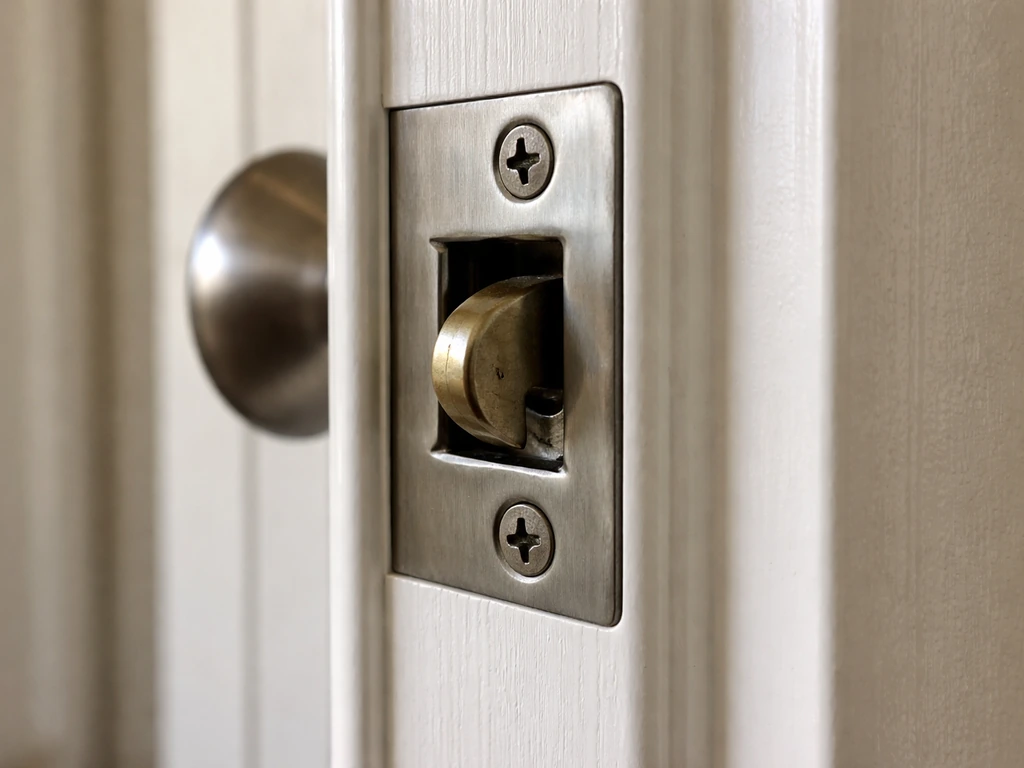
Before adding any hardware, spend five minutes confirming the door you already have is actually doing its job. A lock that looks engaged but isn't fully catching is worse than useless because it gives you false confidence.
- Close the door and flip the latch or twist the lock. Then push firmly on the door from inside toward the outside — it should not move. If it budges even a little, the hook isn't seating properly in the strike.
- Grip the bottom of the door panel and try to lift it upward while it's in the closed position. A properly adjusted door shouldn't lift more than a small amount. If it rises noticeably, your anti-lift blocks are missing, worn, or need adjustment.
- Look at the gap between the sliding panel and the fixed panel (or the door frame). Manufacturers like Milgard spec a reveal of roughly 1/8" to 1/2" when the door is closed and properly adjusted. A gap that's uneven or too wide usually means the rollers are out of position, which directly affects lock engagement.
- Check the strike plate or keeper on the door jamb. It should be clean, not stripped, and the screw fastening it should be snug. A loose strike is one of the most common reasons a hook lock won't hold.
- While you're at it, try sliding the door slowly. It should move smoothly with light effort. A door that drags, sticks, or requires a lift-and-push to get going has roller or track problems that also compromise security (more on fixing those below).
How to lock a sliding glass patio door correctly
Most sliding glass patio doors use one of two locking mechanisms: a simple latch-style hook that catches a strike plate on the frame, or a more robust multi-point lock that engages at two or more points simultaneously. Neither works well if the hardware is misaligned, and misalignment is the norm on doors that haven't been adjusted in years.
Getting the latch to actually engage
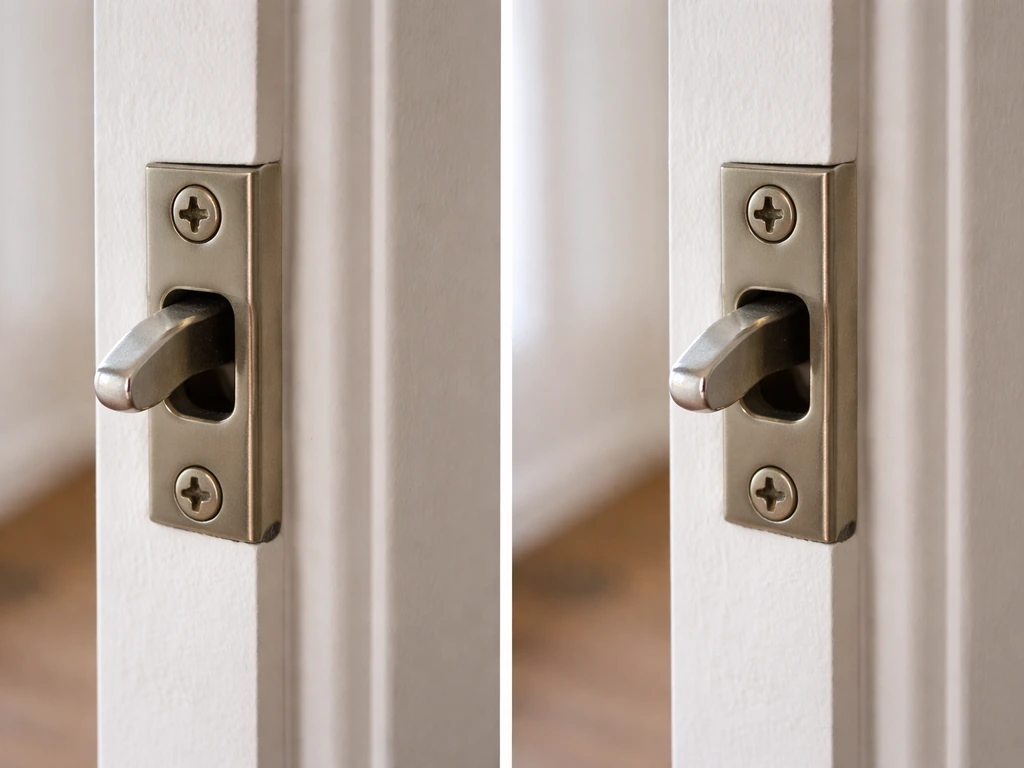
The most common issue is the hook passing over or under the strike instead of seating in it. On most systems, you fix this by adjusting the strike (not the lock body). On Pella doors, for example, the strike can be slid up or down on its mounting to align with the hook. Milgard doors use a slightly different approach: remove the strike plate cap with a putty knife, expose the adjustment screw underneath, and use it to set the correct height. Reliabilt's installation instructions put it simply: check that the lock hook engages smoothly and securely, and if it doesn't, follow your door's adjustment procedure. The principle is the same across brands.
To lock the door properly every time: close the panel completely until it sits flush against the frame, then engage the latch. Don't half-close and latch. The panel needs to be all the way in before the hook can seat. If you have to force the handle up or down to get it to lock, that's a sign of misalignment, not just a stiff lock.
Multi-point locks and vent locks
If your door has a multi-point lock (the handle drives multiple bolts or hooks into the frame at once), make sure the alignment is correct at every engagement point, not just the obvious one at handle height. Pella and others also recommend adding a secure vent lock, which lets you lock the door in a slightly open position for ventilation while still preventing it from being opened further from outside. It's a simple add-on that costs under $20 and is worth having.
Securing the door against forced entry
This is where most homeowners stop short. Engaging the latch is necessary but not sufficient. Engaging the latch is necessary but not sufficient how to secure patio doors. Engaging the latch correctly is only step one, so you should also secure the track and add anti-lift protection to fully answer how to secure a French patio door.
A sliding glass patio door is a documented vulnerable entry point, and a U. S. government home security publication notes directly that these doors tend to have relatively weak latches that can be defeated by forcing or manipulating the track area. A U.
S. Department of Justice Office of Justice Programs PDF says [special locks for sliding glass doors](https://portal. cops. usdoj.
gov/resourcecenter/RIC/Publications/cops-w0543-pub. pdf) are available and discusses using quality security doors and locks, including keeping the door locked. If you are still wondering which is a forcible entry technique for a patio door, the track area forcing or manipulation is a common method that defeats weak latches forced entry technique for a patio door. The fix involves two additional layers: blocking the track so the door can't slide, and preventing lift-out.
Block the track
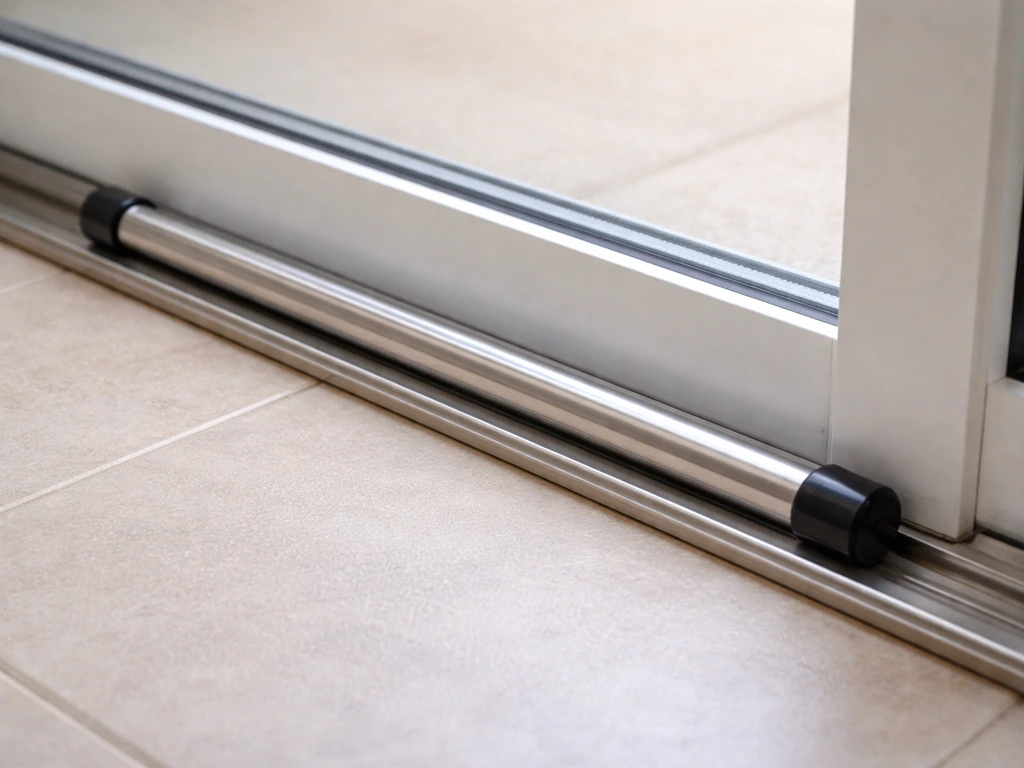
A solid bar or rod laid in the lower track behind the closed door panel is one of the most effective deterrents available. Even if someone defeats the latch from outside, the panel can't slide because the bar physically stops it. You can buy purpose-made security bars, cut a wooden dowel or piece of 1x2 lumber to fit snugly in the track, or use an adjustable steel door bar. The bar should fit the track without wobble and should be long enough that it can't be dislodged by jostling the door. This is a free or near-free fix you can do today.
Prevent lift-out
Sliding doors run on a top and bottom track. The top track has a channel the panel sits in, and if that channel is shallow or the anti-lift blocks are missing, the door can be lifted out of the bottom track and removed entirely, bypassing the lock completely. The City of Taylor's crime prevention guidance [explicitly recommends testing this by trying to lift the door while it's closed](https://www. cityoftaylor.
com/658/Windows), if it rises enough that you think it could come out of the bottom track, you need anti-lift hardware. Purpose-built anti-lift locks mount to the top track frame and limit how far up the door can travel. They're available at most hardware stores and installation typically takes 15 minutes with a drill and a few screws. Home Depot carries dedicated anti-lift lock kits specifically for this purpose.
The glass itself
Tempered glass is harder to break than standard glass, but it still breaks. Security window film won't stop a determined person, but it slows things down, which matters, the film holds shattered glass together so entry still requires sustained effort and noise. FEMA notes that for maximum effectiveness, the film should be anchored to the frame on the required sides (not just stuck to the middle of the glass), so if you go this route, install it properly with the edge treatment the manufacturer specifies. Think of it as a delay, not a barrier.
DIY fixes for tracks, rollers, and faulty locks
A door that's hard to slide or doesn't close flush almost always has either a track problem or a roller problem, and either one will kill proper lock engagement. Here's how to work through both.
Cleaning and clearing the track
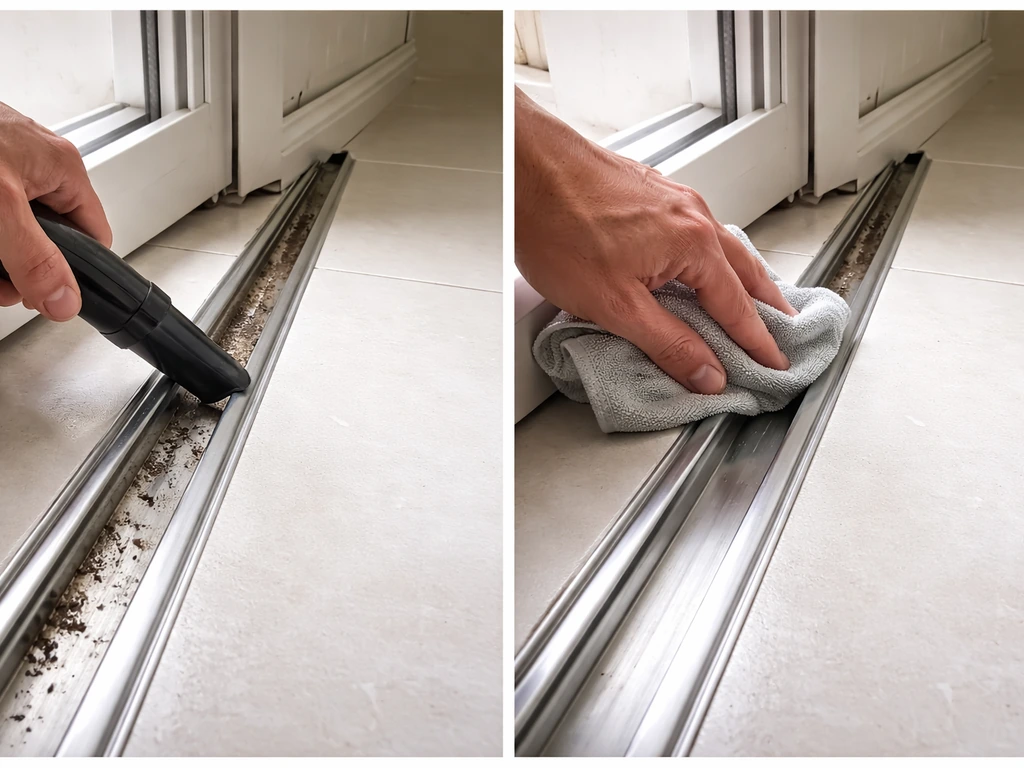
Dirt, debris, and bent track sections are the most common culprits. Vacuum the bottom track thoroughly, then wipe it down with a damp cloth. If you see bent or damaged sections, a pair of pliers and a flat bar can often straighten minor deformations. Lubricate the track and rollers with a silicone-based spray (not WD-40, which attracts dirt). A clean, lubricated track is step one before adjusting anything else.
Adjusting the rollers
Rollers sit at the bottom of the sliding panel and can be raised or lowered using adjustment screws. These screws are usually accessible through small holes or plug covers on the bottom edge of the door, or through the door's side edge. Use a Phillips screwdriver or a hex key (check your door's manual). Turning the screw clockwise typically raises the door, counterclockwise lowers it.
Your goal is to get the door panel sitting level and creating an even gap along its full height when closed. US Window & Door's guidance on this stresses getting a consistent reveal from top to bottom, if the gap is wider at the top than the bottom, the door is tilting and the lock won't seat right.
Lowe's DIY guidance frames roller adjustment as the first-line fix, and if the door still doesn't move or close correctly after adjusting the screws, inspect the rollers themselves for wear or damage and replace them.
Fixing a faulty or failing lock
If the lock handle feels sloppy, doesn't snap into position, or the hook visibly misses the strike, start with strike adjustment as described above. If the lock body itself is damaged or the hook is bent, replacement lock assemblies are available at hardware stores and online for most major brands (Pella, Milgard, Andersen, Reliabilt). Most slide-in or screw-mount replacements take under 30 minutes.
Bring the old lock to the hardware store or look up the door's model number to match the correct replacement. If you can't get the lock mechanism to engage consistently after adjusting the strike and checking roller height, that's a good time to call a door technician, because forcing a misaligned lock repeatedly will damage the hook and strike over time.
Security upgrades worth installing today
These are the add-ons that make the biggest difference for the least money and effort. You don't need all of them, but every one you add is another layer of difficulty for anyone trying to get in.
| Upgrade | What it addresses | DIY difficulty | Approximate cost |
|---|---|---|---|
| Track security bar or rod | Prevents door from sliding even if latch is defeated | Very easy | $0–$30 |
| Anti-lift lock or restraint | Prevents panel from being lifted out of track | Easy (drill required) | $15–$40 |
| Deadbolt-style patio door lock | Stronger locking point than standard latch | Moderate (drilling may be needed) | $30–$80 |
| Vent lock / secondary lock | Locks door in cracked position for ventilation | Very easy | $10–$25 |
| Security window film | Slows forced entry through glass | Moderate (careful application needed) | $30–$100+ depending on door size |
| Door alarm sensor | Alerts if door opens unexpectedly | Very easy | $10–$40 |
If you have multiple sliding doors (an OXO or OXXO configuration where you have two sliding panels side by side, or a pair of doors from different rooms), treat each one as its own security problem. Each panel needs its own track bar and anti-lift protection. It's easy to secure the main door and forget that a second sliding door in the same room or an adjacent room is wide open.
For a deeper comparison of how sliding glass door security stacks up against French patio doors, or tips on securing a sliding door that opens onto a ground-level slab with no deck, those are worth considering separately since the threat profile and available hardware can differ. For example, if you are securing a sliding patio door that opens onto a ground-level slab with no deck, you can use the same track blocking and anti-lift approach.
Keeping it secure season to season
Security isn't a one-time fix. Sliding patio doors drift out of adjustment over time, rollers wear down, weather stripping compresses, and tracks accumulate debris that affects both operation and locking. Building a simple maintenance habit twice a year (spring and fall works well) catches problems before they become vulnerabilities.
- Clean and lubricate the track and rollers every six months. Dirty rollers cause the door to drag, which leads homeowners to apply force that gradually bends the track and knocks the door out of alignment.
- Check the lock engagement at each cleaning. If the hook doesn't seat with a satisfying click, readjust the strike before the problem gets worse.
- Inspect the weather stripping along the sides and bottom. Compressed or torn weather stripping is one of the earliest signs of door misalignment. If you're feeling a draft or seeing daylight gaps, the door has shifted and the lock alignment has likely shifted with it.
- Re-check the anti-lift hardware. Anti-lift blocks and restraints can loosen over time. Give them a firm tug and retighten any mounting screws that have backed out.
- Look at the track for bent sections or cracks, especially after a hard winter. Cold temperatures cause metal tracks to contract, and repeated expansion and contraction can deform them.
- Examine the glass for chips or cracks at the edges, which weaken the panel structurally. Small edge chips on tempered glass can cause spontaneous failure — replace panels with significant damage.
- If you have security film installed, check the edges annually. Film that has lifted at the corners or edges provides much less protection and should be re-adhered or replaced.
A well-maintained sliding glass patio door is genuinely secure. The problem is that most people never touch them after installation. The checks above take about 20 minutes twice a year and keep every layer of security, from the latch to the track bar to the glass, working as intended.
FAQ
Can I lock my sliding patio door in a slightly open position for ventilation without reducing security?
Yes, but only if the door is truly secured by the latch and the hardware is aligned. If the latch hook is even slightly off the strike, a “locked but not seated” condition can happen again when the door is moved. Vent-lock kits usually restrict how far the door can open, but they do not replace track blocking and anti-lift protection.
How do I tell if my door needs anti-lift protection (before buying new hardware)?
If you can lift the closed door panel enough for the bottom edge to come out of the bottom track, install anti-lift hardware. A useful quick test is to close and lock the door, then try lifting at the meeting rails and lower corner. If there is noticeable lift-out risk, you need the top-track anti-lift device or matching kit.
My lock feels like it catches, but the door doesn’t sit perfectly flush, is that still secure?
Yes, and it is common. Many doors have a small amount of “play” from worn rollers or bent sections, which can make the latch feel like it engages while the panel is still not seated flush. Always confirm the door sits flush against the frame before you judge the lock’s feel.
What’s the best way to lubricate the track and rollers, and what should I avoid?
Do not rely on silicone spray that can migrate onto the glass or rollers in a way that attracts dust. Use a silicone-based product intended for locks and tracks, apply sparingly, and wipe off excess. Avoid oil-based lubricants and WD-40, since buildup can worsen track friction and cause repeat misalignment.
How should a track bar be fitted so it actually prevents sliding, not just as a loose deterrent?
For track bars, the bar must fit snugly without wobble, and it must be hard to dislodge by pushing or jostling the closed door. Measure the track clearance and choose a bar length that spans enough travel so someone cannot simply shift it. If your bar keeps slipping, your fit is too loose or the track is damaged.
My door has a multi-point lock, how do I verify all engagement points are working?
Multi-point locks are only as strong as their alignment at every engagement point. After roller or strike adjustment, check each bolt or hook for full contact, not just the top or handle-height point. If one point misses, the lock can still feel secure while leaving a weak gap.
Is security window film enough on its own for sliding glass doors?
Tempered glass and security film slow down entry, but neither stops a determined person if they can manipulate the track or lift-out. Film is mainly a delay and noise factor, so it should be treated as a layer after latch, track blocking, and anti-lift hardware are in place.
What should I do if the lock keeps missing the strike even after I adjust the strike plate?
If the lock hook misses the strike repeatedly after adjustment, check roller height and whether the panel closes flush without lifting or forcing. Repeatedly forcing the handle can bend the hook or strike, making future adjustments less effective. After you correct roller and track issues, recheck strike alignment one more time.
I have two sliding panels in the same room, do I need security for both tracks and anti-lift devices?
If you have OXO style layouts (two sliding panels side by side) or multiple sliding doors, treat each panel separately. Each one needs its own track bar and anti-lift hardware, even if one door “feels” harder to open. Attackers often try the easiest path, which can be the door you did not secure.
When should I replace the lock instead of adjusting or repairing it?
Replacement lock assemblies usually require matching by brand and, ideally, the exact door model or lock part number. Bring the old lock to the store or record the model number before buying, because “close enough” assemblies can still misalign with the strike. If the mechanism is working but alignment keeps failing, fix rollers and strike first.
Can I install the track bar and anti-lift hardware first, and adjust the door later?
Yes, but timing matters. If rollers are worn or the door tilts unevenly, tightening hardware without correcting alignment can make locks appear better temporarily and then fail again. Start with track and roller condition, then strike and latch alignment, then add-on layers.
How often should I inspect and adjust my sliding patio door to keep it secure?
A simple home maintenance cadence helps because drift happens gradually. Twice a year is a good baseline, and you should also do a quick check after heavy weather, after a roller replacement, or if you notice sticking, uneven gaps, or a different lock feel. Small changes in gap alignment can directly affect latch engagement.
Next Article
How to Protect Patio Door from Rain: DIY Fixes, Steps & Costs
How to protect patio door from rain: step-by-step DIY fixes, tests, tools, seasonal tips, and when to call a pro.