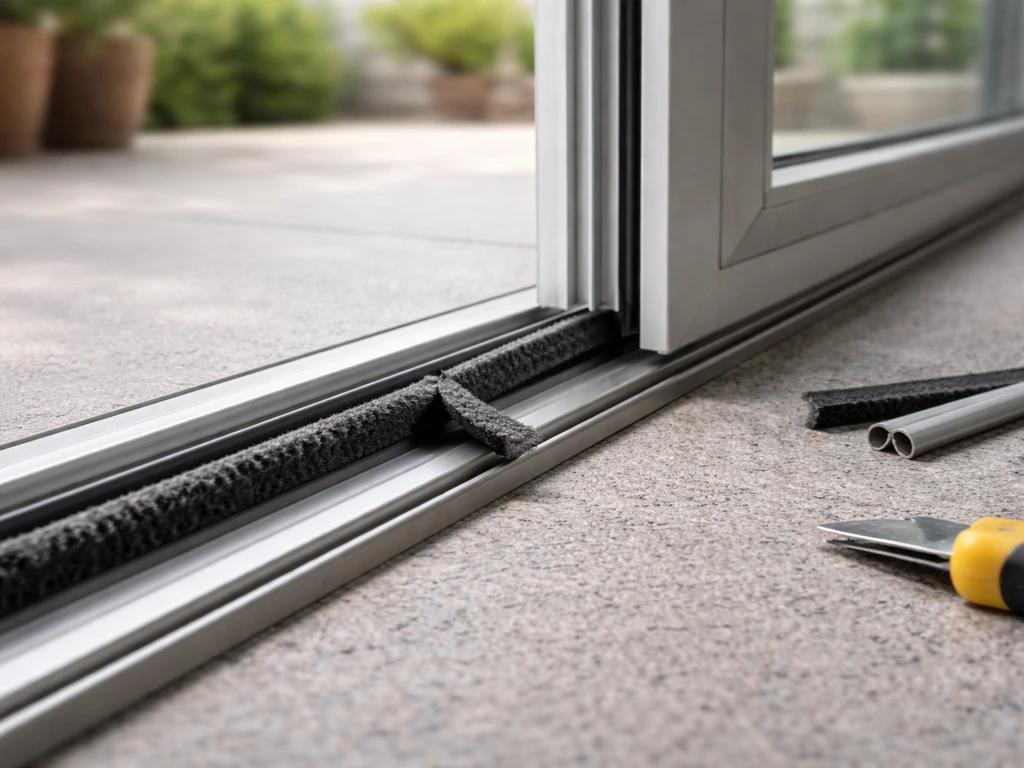
Cold air sneaking in through your patio door almost always comes from one of four places: worn or compressed weatherstripping around the frame, a door panel that's slightly out of alignment so it doesn't press evenly against the seals, a degraded threshold or door sweep at the bottom, or gaps where the frame meets the wall. The good news is that every one of these is fixable with basic tools, and most jobs take less than a couple of hours. Start by finding the exact leak point, then work through the fixes in order from easiest to most involved. If you follow the door-specific checks and fixes below, you can properly draught proof patio doors without missing the common leak points.
How to Stop Cold Air From Patio Door: DIY Fixes

Jamie Archer
14 Jun 2026
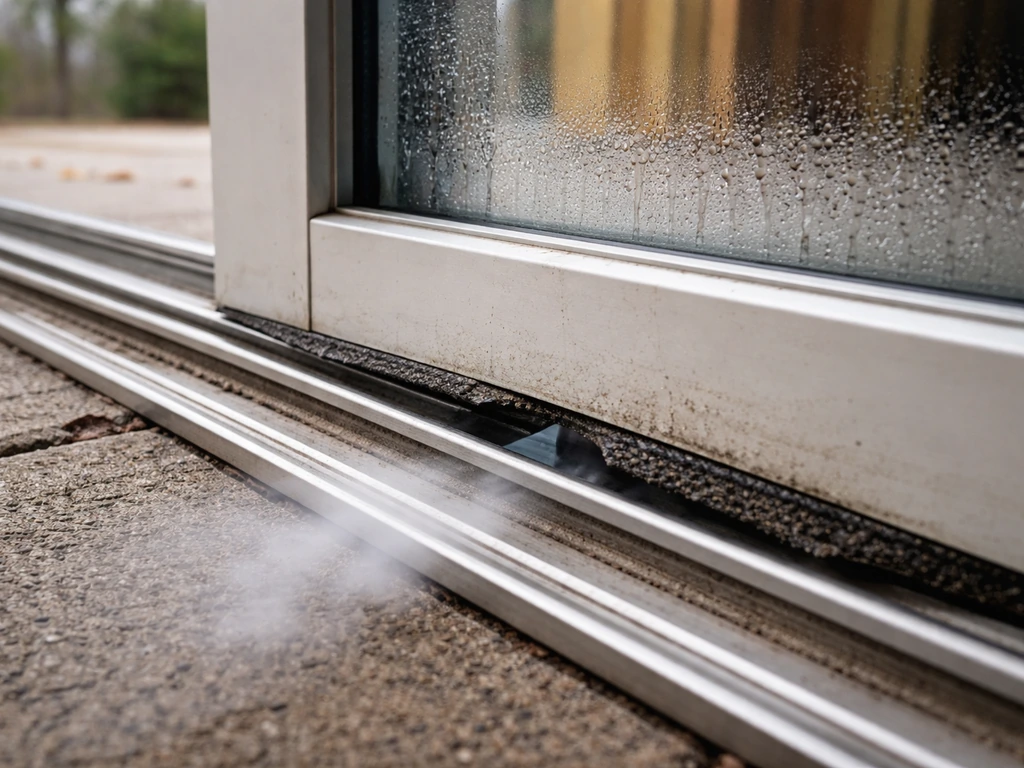
Quick diagnosis: where is the cold air actually coming from?
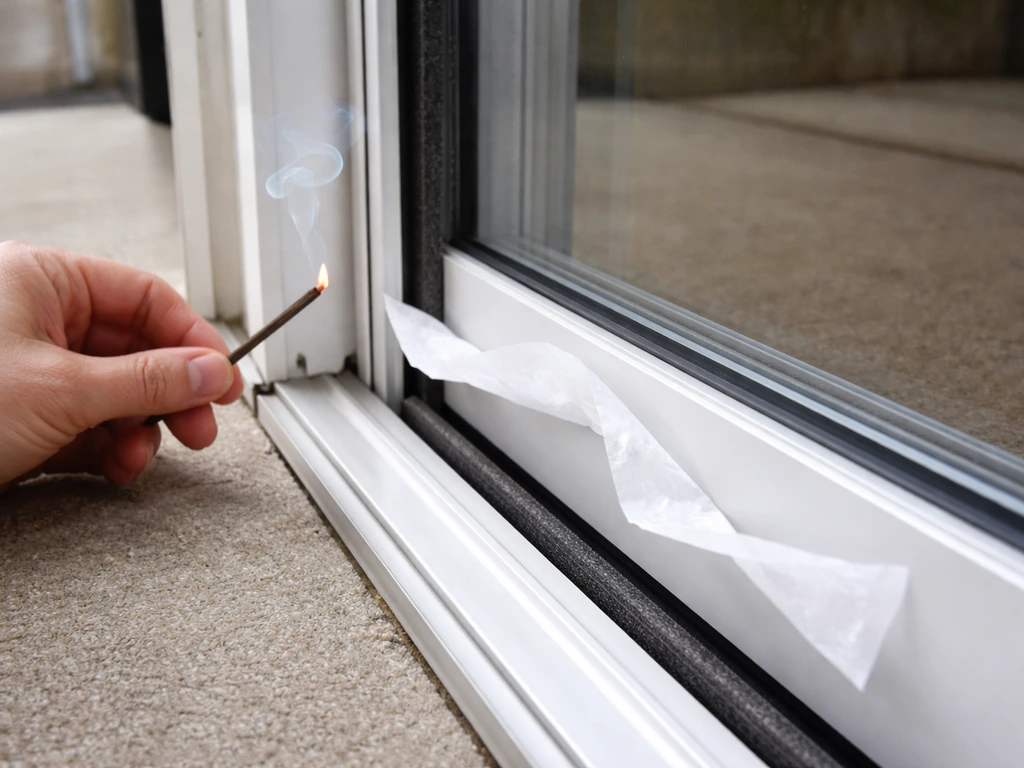
Before you buy anything or unscrew anything, spend five minutes locating the leak. On a cold or windy day, hold a lit incense stick or a thin strip of tissue paper around the entire perimeter of the door: along the top, down both sides, across the bottom, and around the latch area. Wherever the smoke drifts or the tissue flutters toward you, that's your leak. You can also run your hand slowly around the frame and threshold to feel for cold airflow. Mark each spot with a piece of painter's tape.
For sliding patio doors specifically, pay close attention to the bottom track area. There are small weep holes along the exterior edge of the bottom frame that are designed to drain water out of the track. These should never be blocked, so if you feel air there, the fix is not caulk. The leak is most likely the weatherstripping or a door that isn't sitting flush against its seals. Also check the latch side: if the door doesn't pull snug against the jamb when locked, the rollers are probably the culprit.
Common leak locations to check, in rough order of how often they cause problems:
- The vertical pile or compression weatherstripping on the latch-side jamb (most common)
- The top sweep or bulb seal where the door meets the head frame
- The threshold sweep or bottom seal under the door panel
- The perimeter frame-to-wall joint (look for visible gaps or cracked caulk from outside)
- The screen door frame, which can let significant cold air bypass the main door seal
Adjust the door alignment first: rollers, track, and latch
If your sliding patio door has a draft around the latch side or across the top, the door panel is probably not pressing evenly against the weatherstripping. This happens because the bottom rollers settle or wear over time, letting the door drop slightly. When the door drops, the latch no longer meets the strike plate at the right height, and the seal compresses unevenly. If the roller height is off, the lock may not meet the jamb or strike correctly, and the weatherstripping may not compress properly, letting drafts persist the seal compresses unevenly. The fix is adjusting the roller height, and it's genuinely easy.
How to adjust sliding door rollers
- Open the door panel and locate the roller adjustment screws. On most doors there are two, one near each bottom corner. They're typically accessible through small holes in the bottom edge of the door frame, or through the face of the frame near the floor.
- Use a Phillips screwdriver to turn the screws. Clockwise raises that corner of the door; counterclockwise lowers it. Make quarter-turn adjustments at a time.
- After each adjustment, close the door and check the gap along the top and latch side. You want the door to sit evenly and compress the weatherstripping uniformly.
- Once the door is level, lock it and check whether the latch engages the strike plate smoothly. If it's still stiff or misaligned, the strike plate screws may be adjustable. Loosen them slightly, shift the plate toward the door, and retighten.
- Slide the door back and forth a few times to make sure it glides smoothly and doesn't bind.
If the door panel compresses the weatherstripping evenly after this adjustment and the draft is gone, you're done with this step. If the door still doesn't sit flush even with the rollers at maximum height, the rollers themselves may be worn flat or cracked and need to be replaced, which is covered in the last section.
For hinged patio doors
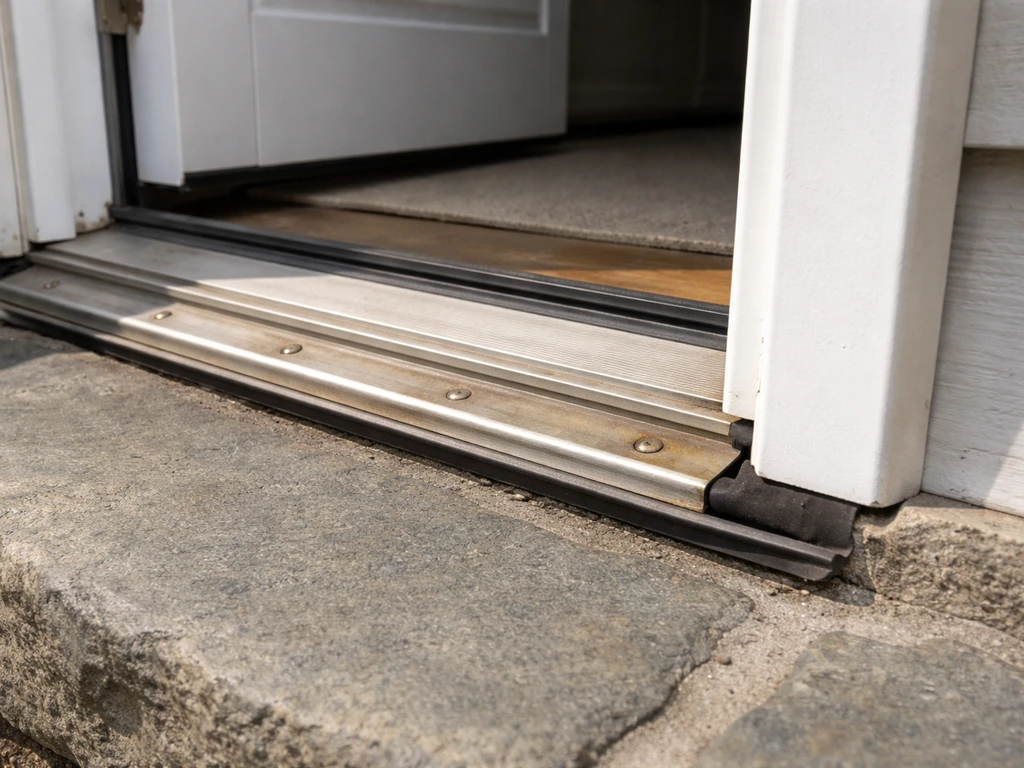
Hinged patio doors (French doors, outswing doors) can sag at the hinges over time, which pulls the latch side away from the frame and breaks the seal. Check the hinge screws first. If any are loose, tighten them. If the screw holes are stripped, use longer screws that reach into the wall framing, or fill the holes with wooden toothpicks and wood glue before redriving the original screws. After tightening, close the door and check the gap around the perimeter. If the latch side still gaps, the strike plate can be repositioned the same way as described above.
Replace worn weatherstripping and door sweeps
Weatherstripping is the single most effective fix for patio door drafts. To stop heat loss through a patio door, focus on sealing drafts at the perimeter, then upgrade worn weatherstripping and the door sweep stop heat loss through patio door. If yours is flattened, cracked, torn, or hardened so it no longer springs back when you press it, it needs to come out. There's no amount of adjustment that compensates for a seal that's physically degraded.
Choosing the right weatherstripping
The U.S. Department of Energy advises choosing weatherstripping based on the friction, temperature variation, and wear it will face at that specific location. For patio doors, that generally means:
| Location | Best material | Notes |
|---|---|---|
| Top and sides of sliding door frame | Kerf-in compression seal (foam or vinyl gasket) | Snaps into a kerf slot in the frame; compresses when door closes |
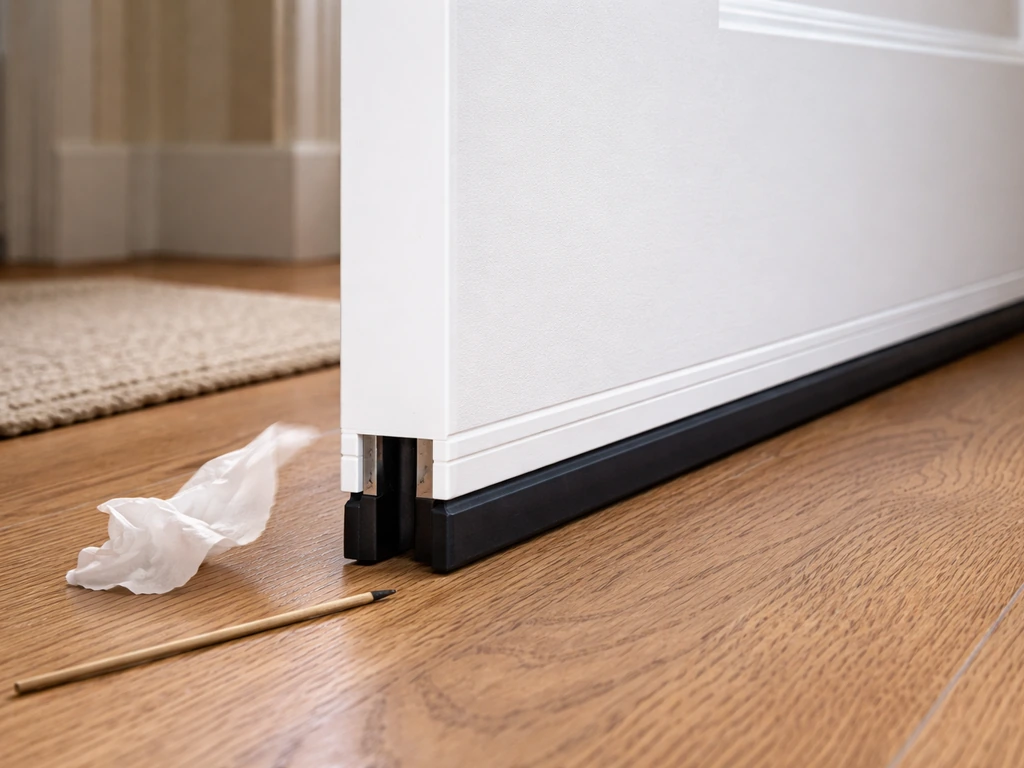
| Bottom of door panel | Door sweep with vinyl, brush, or neoprene blade | Aluminum or stainless housing; choose a blade that contacts the threshold without dragging |
| Threshold (bulb seal) | Bulb threshold or vinyl bulb insert | Compresses against door bottom; replaceable without replacing full threshold |
| Latch-side pile seal (sliding doors) | Pile weatherstripping (Q-Lon or similar) | Fits the channel on the door edge; resists wear from sliding contact |
How to replace compression weatherstripping
- Pull the old seal out of the kerf slot. It should come out with steady hand pressure; use a flathead screwdriver if it's stuck.
- Clean the slot and surrounding frame with a dry cloth. The DOE specifies that weatherstripping should be applied to clean, dry surfaces at temperatures above 20°F (-7°C), so don't do this on a bitter-cold day if you can avoid it.
- Measure the old strip before you go to the hardware store. Cut the new compression seal to length and press it firmly into the kerf slot until it snaps in place.
- Close the door and check compression. You should feel light resistance when the door latches.
How to replace a door sweep
- Open the door and examine the bottom edge. Most sweeps are held by two to four screws through the face of the door.
- Remove the screws and slide the old sweep out. Take it with you to the hardware store to match the width and blade style.
- Position the new sweep so the blade just touches the threshold surface when the door is closed. It should create a seal without dragging hard enough to wear quickly.
- Screw it in place and test by closing the door and checking for light or airflow underneath.
Seal frame gaps with caulk or foam and fix threshold problems
Once you've handled the weatherstripping, look at the perimeter of the door frame where it meets the surrounding wall. Go outside and inspect the joint between the door frame and the siding or trim. Cracked, shrinking, or missing caulk here is a direct path for cold air to enter the wall cavity and work its way inside.
Caulking the frame-to-wall joint
For gaps less than half an inch wide, apply paintable exterior caulk (silicone-latex hybrid works well on most surfaces) over a backer rod if the gap is deep. Backer rod is an inexpensive foam rope that fills the depth of a gap so you're not wasting caulk and so the seal performs better. It comes in diameters from 1/4 inch up to 2 inches, so match it to your gap width. Press the backer rod into the gap first, then run a smooth bead of caulk over it and tool it flat with a wet finger.
For larger gaps between the rough opening framing and the door unit (visible if you remove interior trim), nonexpanding foam sealant is the right choice. Expanding foam can warp door frames, so use a product specifically labeled as nonexpanding or low-expansion window and door foam. Important: never fill the weep holes along the exterior bottom edge of a sliding door frame with caulk or foam. Those drainage openings are there by design and blocking them will cause water to back up into the track and eventually into your home.
Fixing threshold problems
If cold air is coming in along the floor line even after you've replaced the door sweep, the threshold itself may be the problem. Many patio door thresholds have an adjustable height: look for screws along the top surface and turn them to raise the threshold so it makes better contact with the door bottom. If the vinyl bulb insert in the threshold is flattened or cracked, it can be pried out and replaced separately without swapping the entire threshold assembly, which saves a lot of work.
Sliding versus hinged doors, and what to do about screen door drafts
Sliding and hinged patio doors share most of the same leak points, but there are a few differences worth knowing about. And the screen door is often overlooked as a draft source, even though it can allow a surprising amount of cold air past the main door seal.
Sliding patio doors
On sliding doors, the track itself can contribute to drafts if it's packed with debris, causing the door to ride high or unevenly and breaking contact with the bottom seal. Clean the track thoroughly with a stiff brush and a vacuum, then wipe it down. Don't lubricate the track with oil-based products; use a dry silicone spray or a wax-based lubricant to keep grime from accumulating. After cleaning, adjust the rollers as described above and recheck the seal.
Hinged patio doors
French doors have an astragal seal down the middle where the two panels meet. This is a common draft point and is easy to miss. Run your draft test along the full center joint. If you find a leak there, the astragal weatherstripping can be replaced the same way as side jamb compression seals. Also check that both panels latch fully: a multi-point lock that doesn't fully engage will leave parts of the perimeter unsecured and leaking.
Screen door drafts
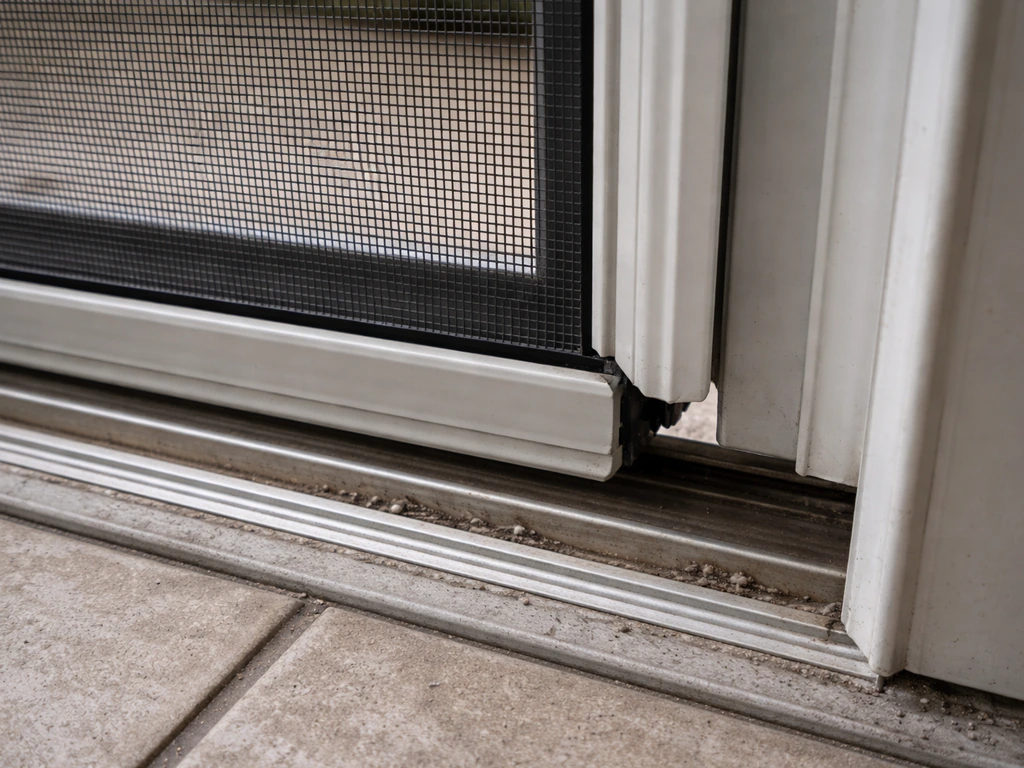
Even when your main patio door seals perfectly, a poorly fitting screen door can let cold air pool between the screen and the main door, reducing overall thermal performance and creating noticeable drafts when you open the main door. If flies are getting in too, the same perimeter sealing work helps close the entry points around your patio doors. Screen doors have their own roller adjustment screws, typically at the bottom corners. If the screen door is dragging at the bottom or doesn't sit evenly in the frame, turn those screws clockwise to raise the door slightly until it glides and seats properly. ALside’s sliding patio door tech manual describes setting the bottom wheels onto the screen track and then adjusting so the strike hook aligns into the door jamb to help diagnose screen-door drafts blank" rel="noopener noreferrer">setting the bottom wheels onto the screen track and adjusting so the strike hook aligns. The latch strike on a screen door is usually adjustable too: loosen the strike screws, shift the strike plate until the latch engages cleanly, then retighten.
Before adjusting, clean the screen door's top and bottom tracks thoroughly. Dirt and debris in the track channels cause the screen to bind and tip, which breaks the edge seal and lets air through. After cleaning and adjusting, check whether the screen door closes flush against the door frame on all sides. If the pile seal around the screen frame is worn flat, it can be replaced with adhesive-backed pile strip weatherstripping available at any hardware store.
Test your fixes and decide what needs replacing
After each fix, repeat your incense or tissue-paper test before moving to the next step. This tells you whether the fix actually worked and helps you avoid over-repairing. If you've replaced the weatherstripping, adjusted the rollers, sealed the frame gaps, and fixed the threshold and the draft is still there, do one more round of the full-perimeter test to see if you missed a spot or if there's a new leak path.
Signs a part needs to be replaced, not just adjusted
- Rollers: the door still sits unevenly at maximum roller height, or you can feel the door grinding or wobbling as it slides rather than gliding smoothly. Roller replacement is a DIY job on most doors; kits are available by door brand and cost $15 to $40.
- Weatherstripping: any seal that's visibly cracked, hardened, or missing sections needs to come out entirely. Patching weatherstripping with tape or sealant is a temporary fix that rarely lasts a season.
- Threshold: if the threshold insert is broken or the metal is bent or corroded so the door can't make proper contact, replace it. A standard patio door threshold insert runs $20 to $60 at a home center.
- Latch and strike: if the latch no longer holds the door firmly against the jamb even after strike-plate adjustment, the latch mechanism itself may be worn. Replacement latch hardware is available by brand and model number.
When to call a pro
Call a professional if the door frame itself is visibly warped, rotted, or has shifted out of square due to foundation movement or settling. No amount of weatherstripping or roller adjustment will fix a frame that's no longer straight. Similarly, if you remove interior trim and find significant air gaps in the rough opening that appear to have insulation problems or structural damage around them, that's a job for a contractor, not a caulk gun. If the glass unit is fogged between panes, that's a failed seal in the insulated glass itself and the glass panel needs to be replaced, which is typically a professional installation. For everything else covered in this guide, including rollers, sweeps, weatherstripping, caulking, and threshold adjustments, you can handle it yourself in a weekend, usually for under $100 in parts.
FAQ
How can I tell the difference between a draft from the door and a leak from the wall behind the trim?
Do the tissue or incense test twice, once with the door fully closed and locked, then again while someone gently presses the weatherstripping inward at each suspect point. If the airflow stops when you press the seal, the leak is in the door perimeter. If the airflow continues even when you press the seal, the issue is more likely the joint between the frame and the surrounding wall (failed caulk, gaps, or insulation voids).
What should I use to locate leaks if I don’t have incense or tissue paper?
A very thin strip of lightweight paper (like a receipt) can substitute for tissue, and a small piece of foam insulation with a slight draft will flutter. Another practical option is a handheld anemometer or an IR thermometer scan along the perimeter to spot colder areas, then confirm with a physical paper flutter test before making changes.
Can I just add more caulk around the door instead of replacing weatherstripping?
Usually no. Caulk can cover small, irregular frame gaps, but it does not restore a seal that is physically flattened, cracked, or hardened. Also, caulking moving contact points can prevent smooth closure and reduce compression over time. The best approach is to replace degraded weatherstripping, then caulk only the fixed perimeter gaps where the frame meets the wall.
Why is cold air still coming in after I replaced the door sweep and weatherstripping?
Check whether the door is actually compressing the seals evenly. Common causes are rollers that need adjustment or replacement, a door panel that is slightly out of alignment, or a threshold that is not high enough to contact the door bottom. Also recheck the latch-side and top corners, those are frequent missed spots because the gap can be small but noticeable at cold temperatures.
My sliding door closes, but it feels loose at the latch. Is that always a roller problem?
Not always. If the latch side does not pull snugly against the jamb, it can be rollers out of adjustment or worn, but it can also be a mispositioned strike plate or hinge-related issues if the door uses different alignment mechanisms. After adjusting rollers, if the door still does not meet the strike properly, loosen and reposition the strike plate so the latch engages consistently.
Can I block weep holes on a sliding patio door to stop drafts?
No. Those weep holes are designed to drain water out of the bottom track. Blocking them with caulk or foam can trap moisture, leading to track damage and water intrusion. If you feel air near the bottom exterior edge, focus on the weatherstrip, sweep, threshold contact, and door alignment instead of sealing the weep openings.
How do I stop drafts if the door sweep is new but it still gaps on one side?
A one-sided gap usually means uneven roller height or a door panel that is not pressing squarely against the frame. Clean the track, then adjust rollers so the door rides level. If the door still cannot reach flush contact at that location even with rollers adjusted, the rollers may be worn, cracked, or the door may be out of alignment beyond adjustment.
What’s the safest way to adjust rollers on a sliding patio door without damaging the door?
Adjust gradually, in small increments, and test closure after each change. Raise rollers only until the door sits flush against the seals, then re-run the perimeter draft test. If you reach the top of the adjustment and the door still does not compress evenly, replace worn rollers rather than forcing the adjustment further.
Should I lubricate the patio door track with oil?
Avoid oil-based lubricants on the track. Oil attracts dirt and can cause buildup that interferes with roller travel, which can indirectly recreate drafts. Use a dry silicone spray or a wax-based option intended for tracks, and always clean debris first before applying any lubricant.
My screen door is the main source of drafts. How do I confirm it’s not the main door?
Run the draft test along the screen door perimeter and along the gap between the screen and the main door. If airflow increases when you open the main door or when you focus on the screen, the screen seal or screen alignment is likely the culprit. Also check whether the screen sits evenly in the frame and whether the pile seal around the screen frame is flattened.
What’s a quick way to tell if my threshold needs adjustment versus replacement of the insert?
If your threshold has height adjustment screws, try raising it slightly and retest the floor-line draft with the door closed. If the draft remains even at the highest setting, inspect the vinyl bulb insert at the threshold. If it is flattened or cracked, replacing just the insert is often simpler than swapping the entire threshold assembly.
When should I stop DIY troubleshooting and call a professional?
Stop and call help if you see frame warping, visible rot, or the frame is out of square, because sealing and adjustments will not hold long term. Also call a contractor if, after removing interior trim, you find major insulation gaps, structural separation, or evidence of movement from settling. If the insulated glass is fogged between panes, that indicates a failed IGU seal and the panel usually needs replacement.
Next Article
How to Fix Drafty Patio Doors: DIY Step-by-Step Guide
Find draft leaks on sliding patio doors and fix them fast with step-by-step weatherstripping, seal, track and roller adj