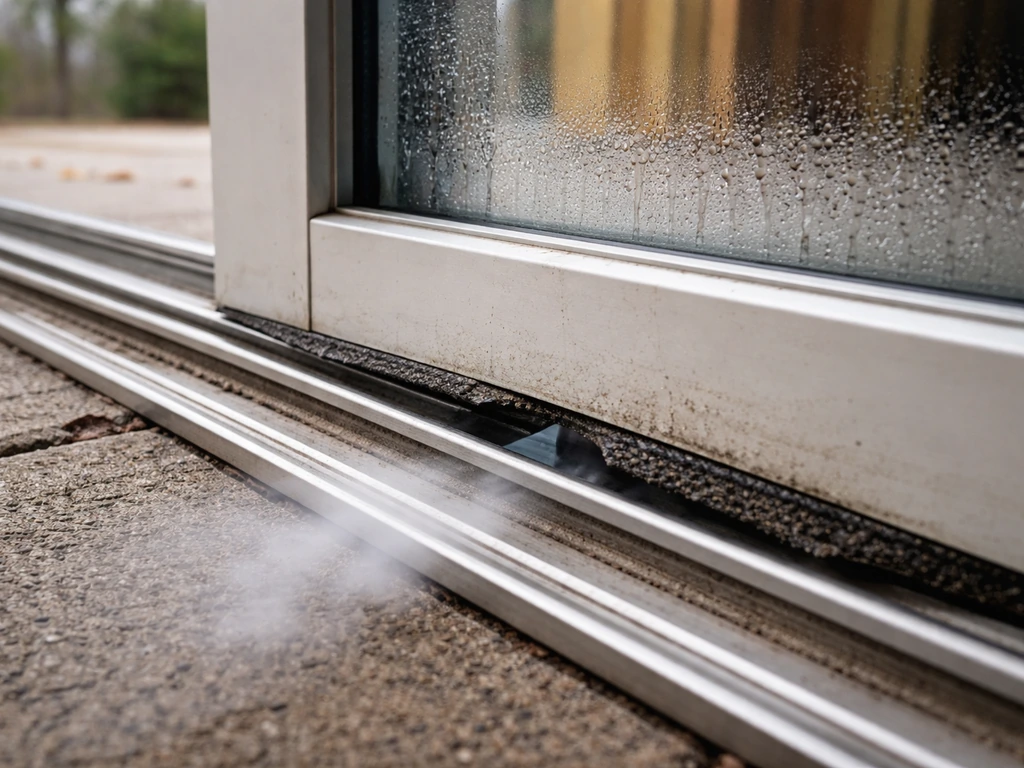
Flies are getting in through one of three places: a gap around the door frame or threshold, a damaged or misaligned screen, or a worn seal that looks fine but isn't making full contact. Find the exact entry point first, then fix it. This guide walks you through the whole process in order, from diagnosis to a seasonal maintenance plan that keeps flies out for good.
How to Stop Flies Coming in Patio Doors: Fix Gaps Fast

Jamie Archer
3 Jul 2026
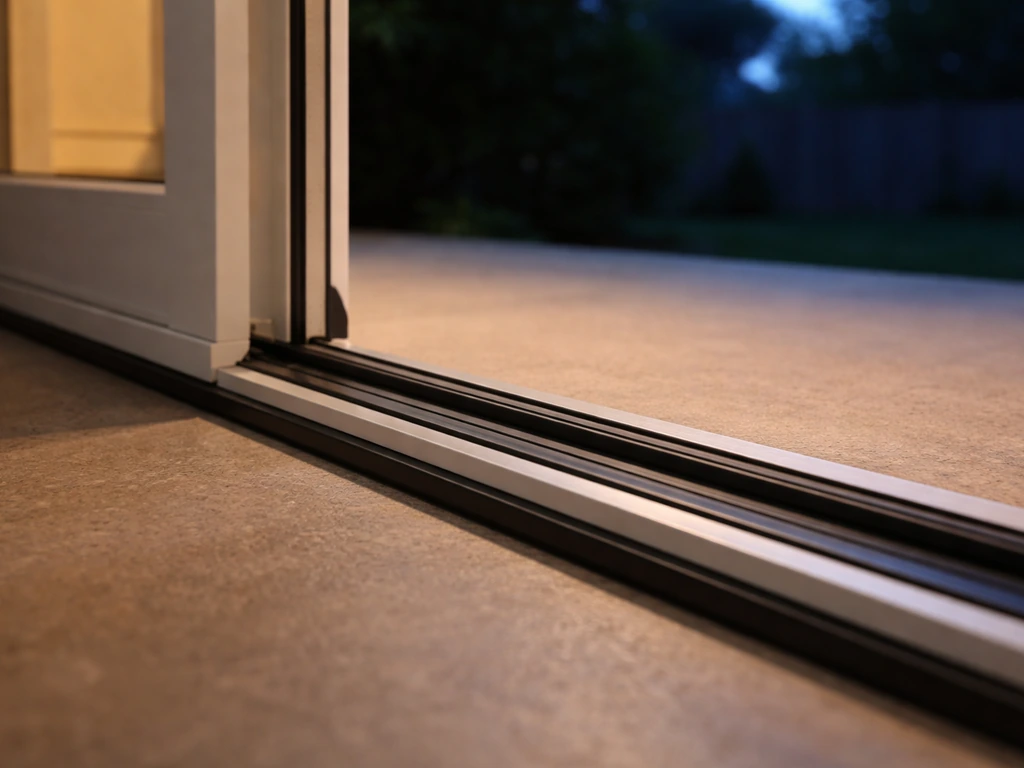
Why flies are getting in (quick diagnosis)
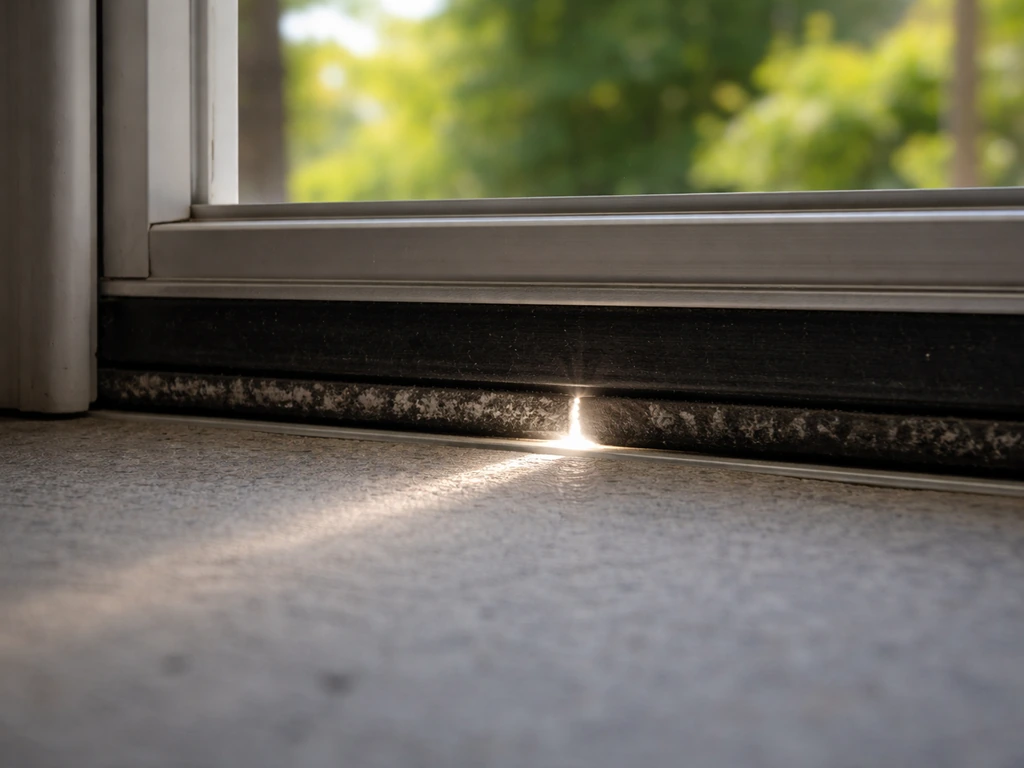
Before you buy anything or pull anything apart, spend five minutes finding the actual gap. The most reliable low-tech method: close the patio door and stand inside on a bright day. If you can see a sliver of daylight anywhere around the frame, sweep, or corners, that's your entry point. At night, have someone stand outside with a flashlight and trace the perimeter while you watch from inside for light bleed. The U.S. Department of Energy recommends an incense stick as a second check: pass it slowly around the door edges while the door is closed. If the smoke drifts inward or sideways, you've found an air leak, and any gap big enough for air is big enough for flies.
The usual suspects, in rough order of likelihood, are: a worn or shrunken door sweep at the bottom that no longer bridges the gap to the threshold; weatherstripping that has flattened, torn, or pulled away from the frame (especially at the corners); a screen door that doesn't close fully or leaves a small gap at the latch side or bottom; and debris or damage in the track that prevents the main door from seating squarely. If you have a sliding patio door with a center-post seal between the fixed and sliding panels, check that strip too. Any one of these can be your problem.
Seal the obvious entry points first
Door sweep
The bottom sweep is the most common culprit, and it's one of the easiest fixes. Crouch down and look at the gap between the sweep and the threshold with the door closed. Standard aluminum or stainless steel sweeps have a brush, vinyl, or rubber fin that should compress slightly against the threshold. If you can see light or slide a piece of paper through without resistance, it needs replacing or adjusting. Most sweeps are screwed directly into the door face and can be dropped down a few millimeters by loosening the screws, repositioning, and retightening. If the sweep itself is cracked, frayed, or stiff, just replace it. A replacement sweep costs around $10 to $25 and takes about 20 minutes to install.
Weatherstripping around the frame
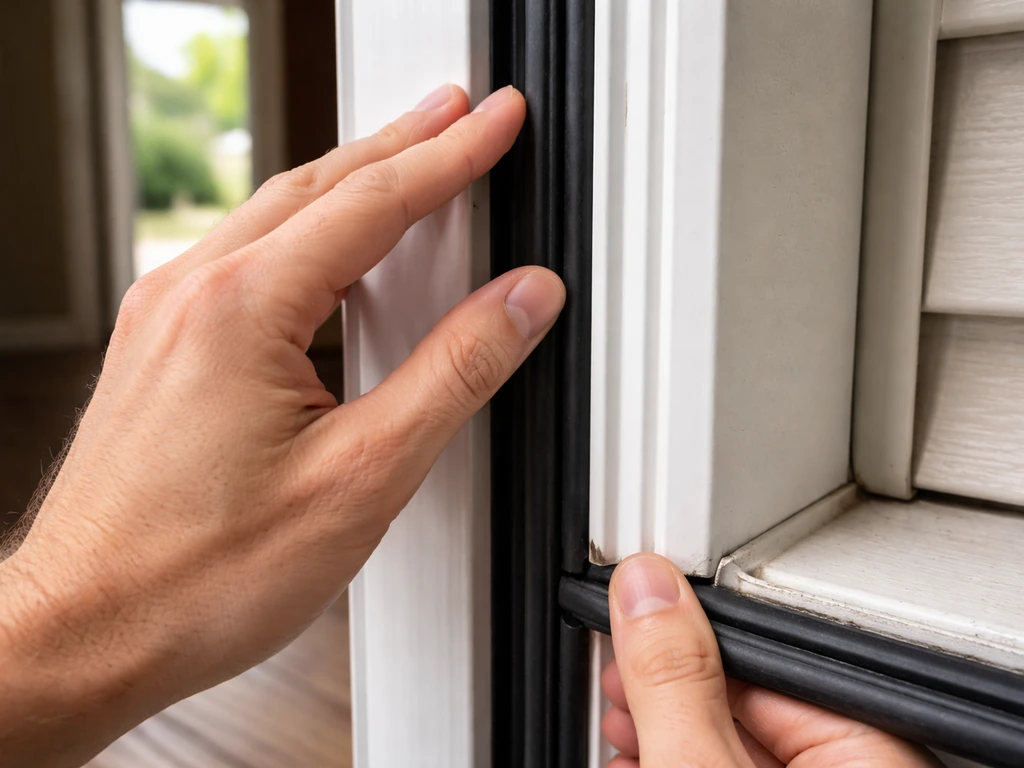
Run your fingers along all four sides of the frame with the door closed. Weatherstripping should feel springy and compressed. If it's flat, crumbly, or pulling away from the frame, it's not sealing. Pay extra attention to the corners, where weatherstripping frequently fails first. For stationary parts of the frame (the surround or jamb that doesn't move), caulk is the right fix for any cracks or gaps. For the moving parts where the door contacts the frame, use replacement weatherstripping. Sliding patio doors often use a foam or pile (brush) strip. Peel off the old strip, clean the channel with a dry cloth, and press the new strip firmly into place. If your door has a center-post weatherstrip between the glass panels, inspect that separately and replace it if it's no longer making full contact.
Threshold and corners
The corners where the vertical weatherstripping meets the horizontal sweep are a weak point that's easy to overlook. Even if both strips are in decent shape individually, they can leave a small triangular gap where they meet. A small dab of clear exterior-grade silicone caulk at each corner junction seals this gap permanently. Do the same outside: walk around and inspect the exterior caulk bead where the door frame meets the house framing or siding. Cracked or peeling caulk outside is a straight path for insects. Scrape out any loose material and apply a fresh bead of exterior caulk.
Fix the screen door
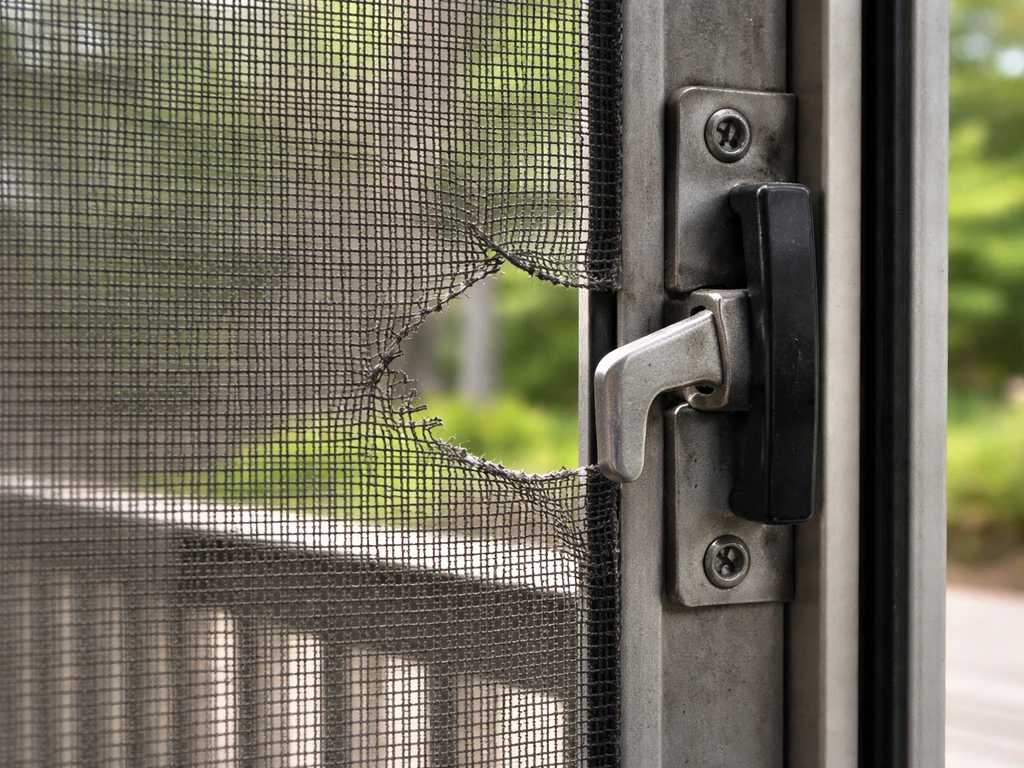
A screen door with even a small tear or a gap at the latch point is effectively no barrier at all. Flies are persistent, and they will find a 1cm opening. Work through each of these checks systematically.
Check for tears and holes
Examine every inch of the screen mesh in good light. Small holes are easy to miss. A hole bigger than 2 or 3 millimeters needs patching or the entire screen panel needs re-splining. For small holes, a self-adhesive screen repair patch is a quick fix. For larger tears, or if the mesh has multiple problem areas, it's worth re-splining the whole panel. The process involves pulling out the old rubber spline (the flexible cord that holds the mesh in the frame channel), cutting new mesh slightly oversized, pressing it into the groove with a spline roller tool, and pressing new spline on top to lock it in. This BobVila guide also explains how to fit the screen and spline and why you should not leave openings in the screen unfixed spline (the flexible cord that holds the mesh in the frame channel). A spline roller costs about $5, and replacement screen mesh for a standard patio door panel runs $10 to $20. It's a genuinely satisfying repair that takes about 30 to 45 minutes the first time you do it.
Check the fit and closure
A screen door that's slightly out of square, or whose rollers have worn, can leave a visible gap along one side even when it looks closed. Slide the screen door fully closed and watch where it contacts the main door frame. There should be continuous contact along the full height. If there's a gap on one side, adjust the screen door's roller height screws (usually accessible at the bottom corners with a Phillips screwdriver) to bring it into alignment. If your screen door has a vinyl bug seal along its edge, check that the seal isn't torn or missing. Replacement bug seal is sold by the foot at most hardware stores and simply clips or adheres into the existing channel.
Magnetic and retractable screens
Magnetic closure systems are convenient but they're also a common fly entry point when the magnets are misaligned or when the bottom guide isn't sitting level against the threshold. If your retractable or magnetic screen doesn't seal fully at the center closure strip or at the bottom, check the bottom guide first. Some retractable screen systems require a shim under the bottom guide to make it rest level on the threshold so the screen meets it cleanly. If the magnets are pulling slightly off-center, you can usually reposition the magnetic strip by loosening the mounting screws, adjusting the alignment, and retightening. Confirm the fix by closing the screen slowly and watching for any gap where the two halves meet.
Clean and service the door track
A dirty track does two things that make your fly problem worse: it stops the door from closing squarely, which leaves gaps, and it accumulates organic debris that attracts insects in the first place. This is a 20-minute job and it's worth doing before you finalize any seal adjustments, because a door that slides and closes perfectly is much easier to diagnose.
- Vacuum the track to remove loose debris, dirt, and dead insects.
- Scrub the track channel with a stiff brush (an old toothbrush works well) and a diluted all-purpose cleaner. Pay attention to the corners and the ends of the track where buildup concentrates.
- Locate the weep holes: small openings at the bottom of the outer track channel that let water drain out. These are typically 1 to 2 small slots or holes along the bottom edge. Clear any debris blocking them with a toothpick or a small pick. Blocked weep holes cause water pooling, which attracts flies and mosquitoes. Milgard notes this cleaning takes about five minutes.
- Rinse with a damp cloth and dry the track thoroughly.
- Apply a thin coat of silicone-based lubricant or a dedicated sliding door track lubricant to the rollers and track. Avoid WD-40 as a long-term solution, as it attracts dust.
- Close the door and check that it sits evenly in the frame. If one side gaps more than the other, adjust the roller height screws (found at the bottom of the door on the track side) to level the door in the frame. If rollers are cracked or visibly damaged, replace them with model-matched rollers.
After cleaning and adjusting, run the incense or daylight test again. A properly serviced track makes a clear difference in how squarely the door closes, and often resolves small gap issues without any additional sealing.
Reduce flies before they reach the door
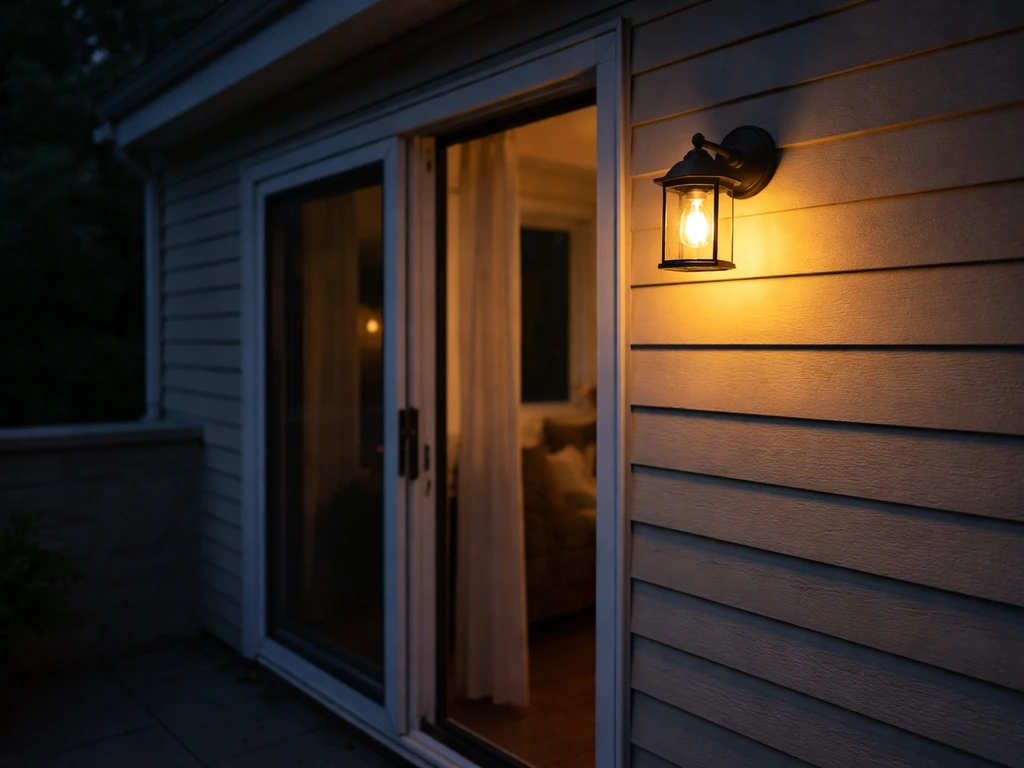
Even a perfectly sealed patio door is easier to keep fly-free if you're not drawing flies to the doorway in the first place. A few outside changes make a real difference. You can also draught-proof patio doors using the same gap-finding approach, then upgrading the seals so they block both air and insects outside changes make a real difference.
- Switch your patio or exterior light to a yellow bug bulb or a warm LED (around 2700K). Standard white and cool blue lights attract insects significantly more. This is one of the highest-impact changes you can make.
- Move potted plants away from the immediate doorway. Overwatered soil and decomposing organic matter in pots is a fly breeding site. Move them at least a couple of feet back from the threshold.
- Eliminate standing water within 10 feet of the door: saucers under pots, low spots in the patio, anything that holds water after rain. Even a small dish of water is enough for fly and mosquito breeding.
- Check that any exterior vents (dryer, bathroom exhaust) near the patio door are fitted with intact covers and back-draft dampers. Warm, humid exhaust air attracts flies and the vent opening is a direct entry route if the cover is missing or damaged.
- Keep the patio itself clean of food residue, especially if you eat outside. Even a spill left overnight will draw flies to the area repeatedly.
What to compare: sealing options at a glance
| Problem | Fix | DIY difficulty | Approximate cost | How long it lasts |
|---|---|---|---|---|
| Worn door sweep | Replace with aluminum/brush sweep | Easy | $10–$25 | 3–5 years |
| Flat or peeling weatherstripping | Replace foam or pile strip | Easy | $8–$20 | 2–4 years |
| Corner gap at sweep/weatherstrip junction | Clear silicone caulk at corners | Easy | $5–$10 | 5+ years |
| Exterior frame caulk cracked | Scrape and re-caulk exterior perimeter | Easy | $5–$15 | 5–10 years |
| Screen mesh tear | Re-spline with new mesh and spline | Moderate | $15–$30 | 5+ years |
| Screen door gap on latch side | Adjust roller height screws | Easy | $0 | Until rollers wear |
| Magnetic screen not sealing | Realign magnetic strip or shim bottom guide | Easy | $0–$5 | Ongoing, check annually |
| Dirty/blocked track | Clean, clear weep holes, lubricate | Easy | $0–$5 | Re-do each season |
| Damaged rollers | Replace with model-matched rollers | Moderate | $15–$40 | 5–10 years |
If flies are getting through despite a good screen and no obvious gaps, start with the sweep and corner caulk. If you are also trying to how to stop heat loss through patio door, the same sealing spots like the sweep and corner caulk are a strong place to start. Those two fixes resolve the majority of fly entry complaints and cost less than $30 combined.
Seasonal maintenance checklist
Most patio door seal failures are gradual, not sudden. A quick twice-a-year check catches problems before they become infestations. The ideal times are spring (before fly season starts) and early autumn (before you close up for winter, which is also when drafts and cold air become a concern alongside bugs). To keep cold out of patio doors, focus on the same gap-finding and sealing checks you use to stop bugs and drafts.
- Run the daylight or incense test around the full door frame, sweep, and screen edges. Any new light bleed means a seal has shifted or failed.
- Press along the weatherstripping on all four sides of the door. It should still feel slightly springy. Flat or crumbly weatherstripping needs replacing before it gets worse.
- Inspect the door sweep from below. Look for fraying, compression set (the seal stays flat rather than springing back), or gaps at the corners. Replace if the sweep no longer contacts the threshold along its full length.
- Clean the track channel and clear the weep holes. This takes under 10 minutes and prevents both water damage and insect attractants from building up.
- Check the exterior caulk bead around the door frame. A hairline crack is fine to monitor; anything you can see clearly from standing height should be re-caulked.
- If you have a screen door, close it slowly and watch for gaps. Adjust rollers if needed and check the condition of any bug seal or magnetic closure strip.
- After any major storm or high wind event, repeat the daylight test. Wind and pressure changes can shift seals and expose new gaps that weren't there before.
If you keep up with this twice-yearly routine, most of these fixes become minor touch-ups rather than full replacements. The same seasonal inspection also catches the issues that let in cold air and drafts in winter, which are closely related to the same gap and seal failures that let in flies in summer. For more on how to stop cold air from a patio door, focus on the same gap points you check for during your twice-yearly inspection drafts and cold air. Keeping the door in good shape year-round handles both problems at once.
FAQ
If my patio screen looks fine, why are flies still getting in?
Yes. Some people patch the screen but still have a gap at the bottom sweep, corners, or weatherstripping. If flies appear even with a “good” screen, re-run the daylight or incense leak test with the main door fully closed, then check the bottom sweep and the corner junctions where caulk is usually needed.
How can I tell whether the gap is around the latch versus the bottom sweep?
Test it with the door closed and latched, then again when it is unlatched. If you only see light bleed or incense drift when unlatched, the latch side is out of alignment and the door is not compressing the weatherstrip. Adjusting latch position or shimming the strike plate is often the fix.
What should I check first based on where the incense smoke moves?
Don’t replace random seals until you know the direction and location of the leak. If smoke or daylight shows the drift pattern along the side edges, focus on side weatherstripping and corners. If the leak is only at the bottom edge, start with the sweep height and threshold contact before touching the sides.
Can temperature changes make the patio door seal fail only at certain times of day?
Sliding doors and some double-doors can be fine when you’re testing on a “warm, still” day but loosen with expansion or shrinkage. Repeat the daylight test on a cooler morning or after the door has been in the sun for a while, because temperature changes can widen small gaps.
Can a dirty track let flies in even when the weatherstripping seems intact?
Yes. Flies can enter through the track area even if the perimeter looks sealed, especially when debris holds the door slightly off-square. Clean the track and remove any packed dirt, then close the door and repeat the daylight test to confirm the door seats better.
Why does corner caulk sometimes stop working after a season?
Outdoor-grade caulk can fail if the surface is dusty or wet. Before applying, scrape loose caulk, wipe the area dry, and let it cure fully before expecting a tight seal. If you see gaps after curing, you may need a thinner skim coat or rework the corner junctions.
When should I patch a screen hole versus re-splining the whole panel?
For a patch, choose the correct method for your screen type, and make sure the adhesive patch fully contacts the mesh flatly. If the tear is near the spline groove or there are multiple small holes, re-splining the whole panel usually gives a more reliable seal than patching.
How do I troubleshoot a magnetic screen that still lets flies through at the bottom?
Not always. If the door is slightly out of level, a magnetic or retractable screen can miss the bottom threshold even if the magnets align at the center. Check the bottom guide contact first, then verify the seal by slowly closing and looking for any intermittent gap.
What if the paper test shows no gap, but flies still enter?
If paper won’t pass under the sweep but you still see flies, check the insect size and possibility of tiny holes in the screen mesh, especially near seams and corners. Also inspect the door’s fixed glass panel edges and any center-post weatherstrip (on sliding units) that may not fully compress.
What should I inspect after a storm if flies suddenly show up?
If the seal looks fine but you notice a new fly problem after heavy rain or wind, inspect caulk outside and the track for wash-in debris. Wind-driven leaks often show up as cracked or peeling exterior caulk where the frame meets siding or house framing.
Next Article
How to Stop Cold Air From Patio Door: DIY Fixes
DIY steps to stop cold patio door drafts by fixing alignment, weatherstripping, threshold gaps, and screen leaks.