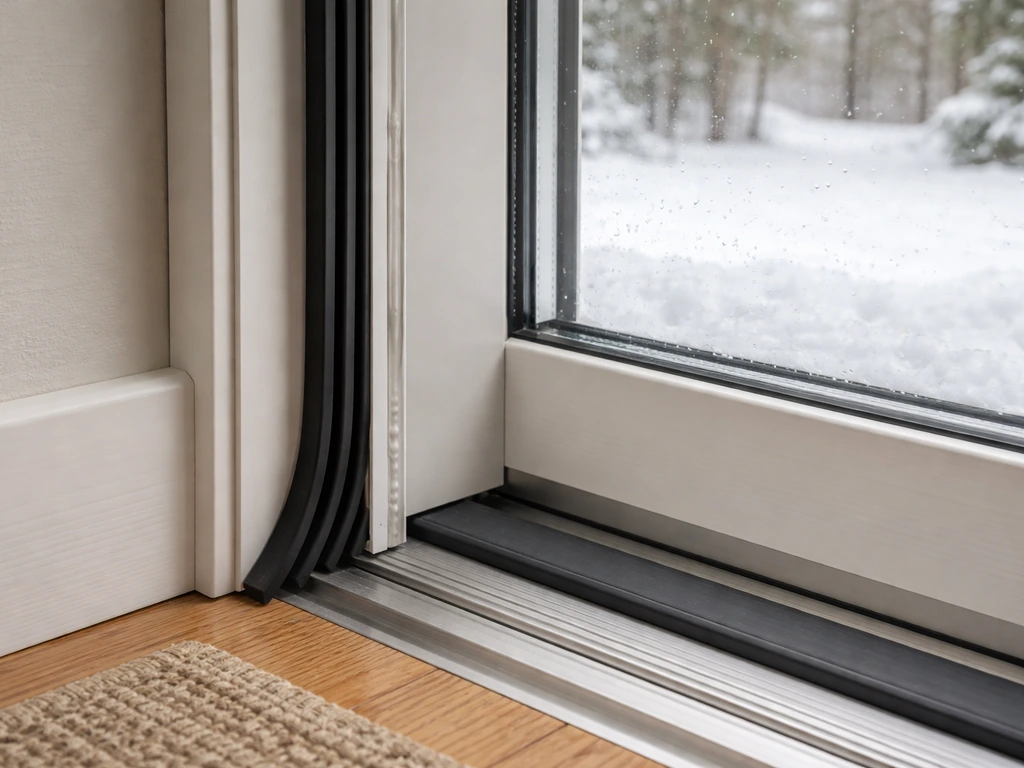
You can meaningfully reduce patio door noise by sealing gaps, replacing worn weatherstripping, aligning the door and track, and adding acoustic layers like inserts or heavy curtains. You can also improve comfort and energy efficiency by insulating sliding glass patio doors with tighter seals and better-performing glazing. Most homeowners get noticeable results from the first two steps alone, spending under $50 and a Saturday morning. More stubborn noise usually comes from the glass itself, and that's where secondary glazing or acoustic window inserts become worth the extra investment.
How to Soundproof Patio Doors: DIY Steps That Work

Jamie Archer
3 Jun 2026
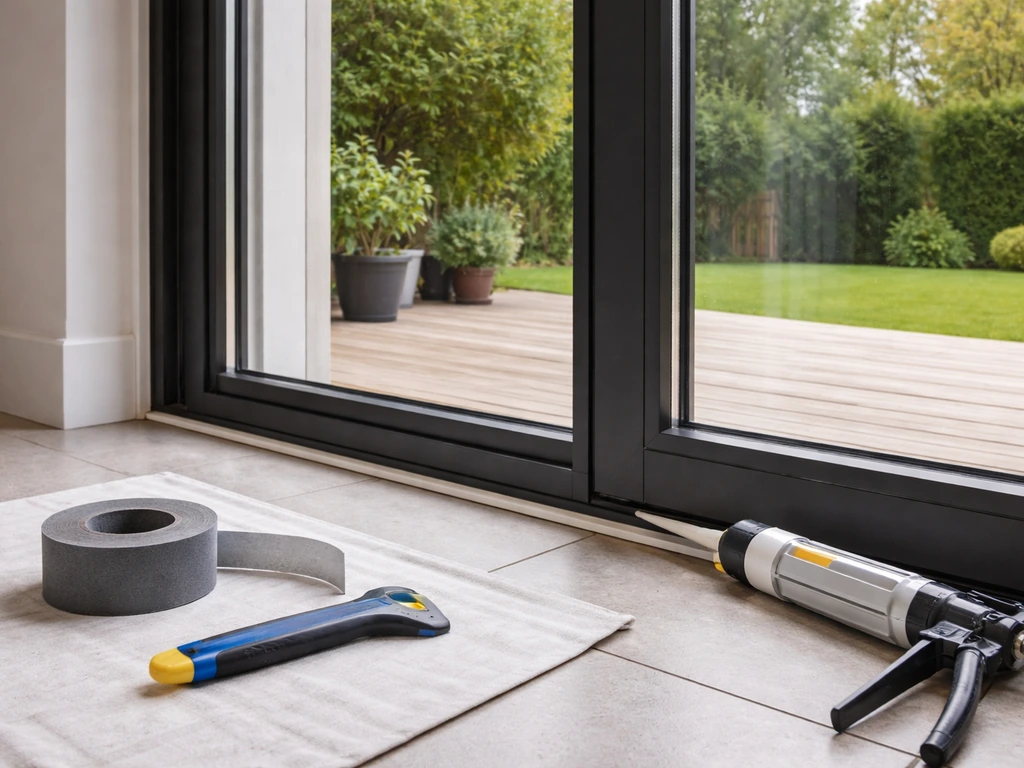
Figure Out What's Actually Making the Noise
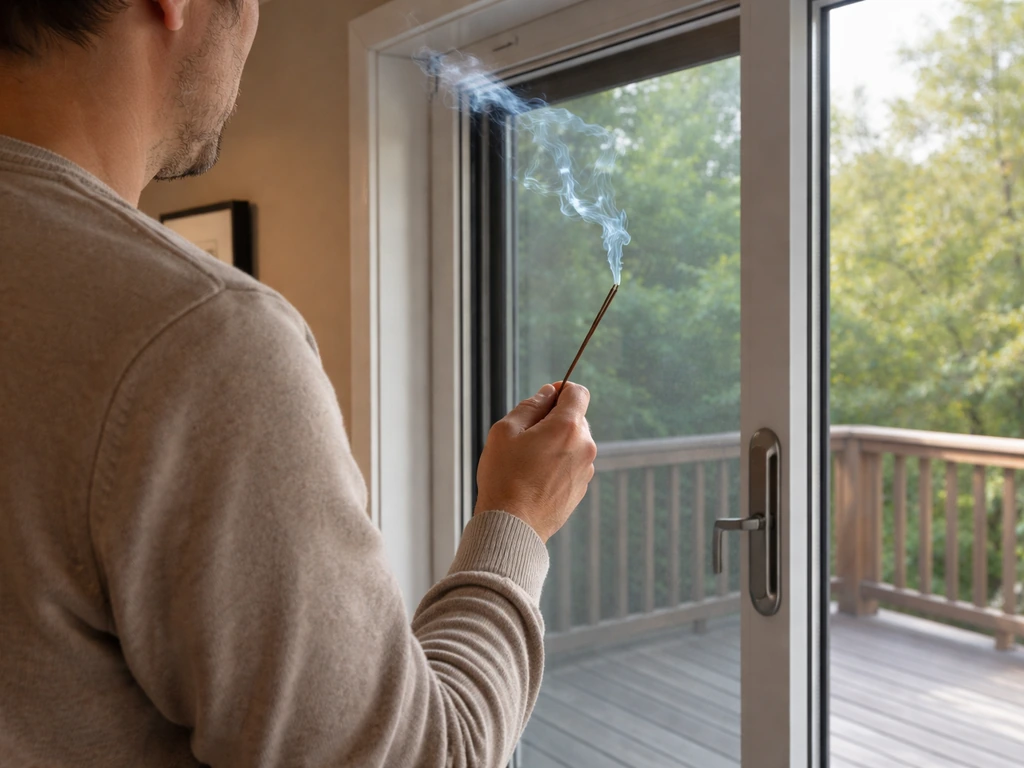
Before you buy anything or start pulling out weatherstripping, spend five minutes figuring out where the sound is actually entering. Stand inside with the door closed on a noisy day. Hold your hand slowly around the perimeter of the door, the threshold, and the track area. You're feeling for airflow. Even a small draft means there's a gap large enough to let sound pass through easily.
The type of noise matters too. Traffic rumble, bass from a neighbor's stereo, and airplane noise are low-frequency sounds that travel through the glass itself, not just the gaps. Voices, kids playing, dogs barking, and general outdoor chatter are mid-to-high frequency and much more affected by sealing gaps and adding mass. If you can clearly make out words from outside, gap sealing is your first priority. If it's a low hum or rumble that's still present even with a tight seal, the glass is the problem.
Here's how to pinpoint the source:
- Perimeter gaps: You feel air movement or the noise noticeably increases near the edges of the door panel
- Track and roller area: There's a draft or noise concentration at the bottom where the door meets the track
- The glass itself: The noise is consistent across the entire door surface and no draft is present
- Surrounding wall or frame: The noise seems louder near the frame corners than at the glass center, suggesting the frame has separated or was poorly sealed during installation
- Screen door: The outer screen door has its own gaps, especially if the screen frame is bent or the screen weatherstripping has worn out
Once you've located the loudest entry point, you can prioritize your fixes in the right order instead of throwing money at the wrong problem.
Start Here: Quick Fixes for Gaps and Air Leaks
The U.S. Department of Energy is straightforward about this: you can't seal every bit of air leakage around a sliding patio door and still be able to open it. That's the reality. The goal is to minimize gaps, not eliminate them entirely. Even getting gaps down from 1/8 inch to a thin, compressed seal makes a real difference in how much sound gets through.
Start by inspecting the existing weatherstripping all the way around the door panel. Press it with your finger. If it crumbles, flattens without bouncing back, or has obvious tears and missing sections, replace it before doing anything else. This is a $10 to $25 fix and often cuts noticeable sound transmission immediately.
Replace Weatherstripping the Right Way
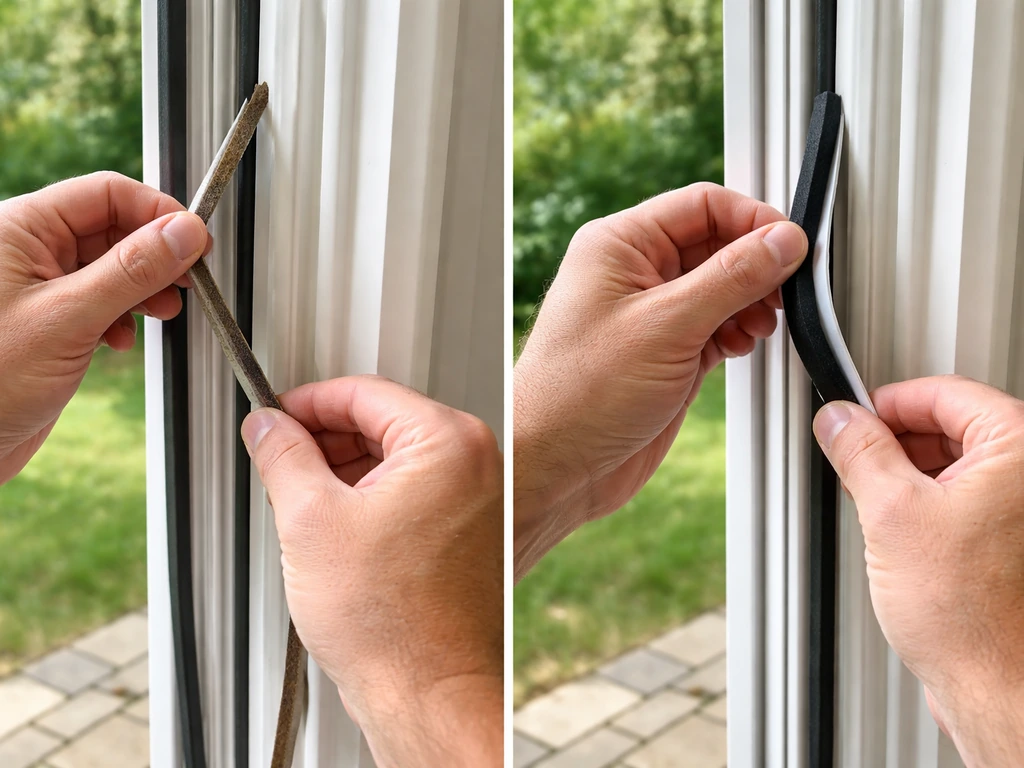
The DOE recommends checking exterior door weatherstripping annually and installing it so it presses tightly between the door and the jamb when the door is closed, without making the door hard to operate. For patio doors, this usually means foam compression tape or a pile (brush) seal along the sides and top of the sliding panel, and a wiper-style or bulb seal at the bottom.
- Remove the old weatherstripping by peeling or unscrewing it, depending on the type
- Clean the channel or surface with rubbing alcohol and let it dry completely
- Measure and cut the new weatherstripping to length before removing the backing
- Press it firmly into place and close the door to test the fit: you want contact, not resistance
- Check all four sides of the panel, including the latch side where the door meets the stationary panel
For the area between the sliding panel and the fixed panel (the middle meeting rail), use a pile or brush seal if there isn't one already. This gap is often overlooked and is a major sound path, especially on older doors.
Seal the Frame to the Wall
Check where the door frame meets the interior wall or trim. Over time, caulk shrinks and cracks, leaving a gap that acts like a direct sound channel into the room. Use acoustic caulk (also sold as soundproofing caulk) rather than standard silicone here. It stays flexible and does a better job damping vibration. Apply it along both sides of the interior trim where it meets the wall, and anywhere you can see daylight or feel air movement around the frame exterior.
Fix the Sliding Mechanism: Track, Rollers, and Alignment
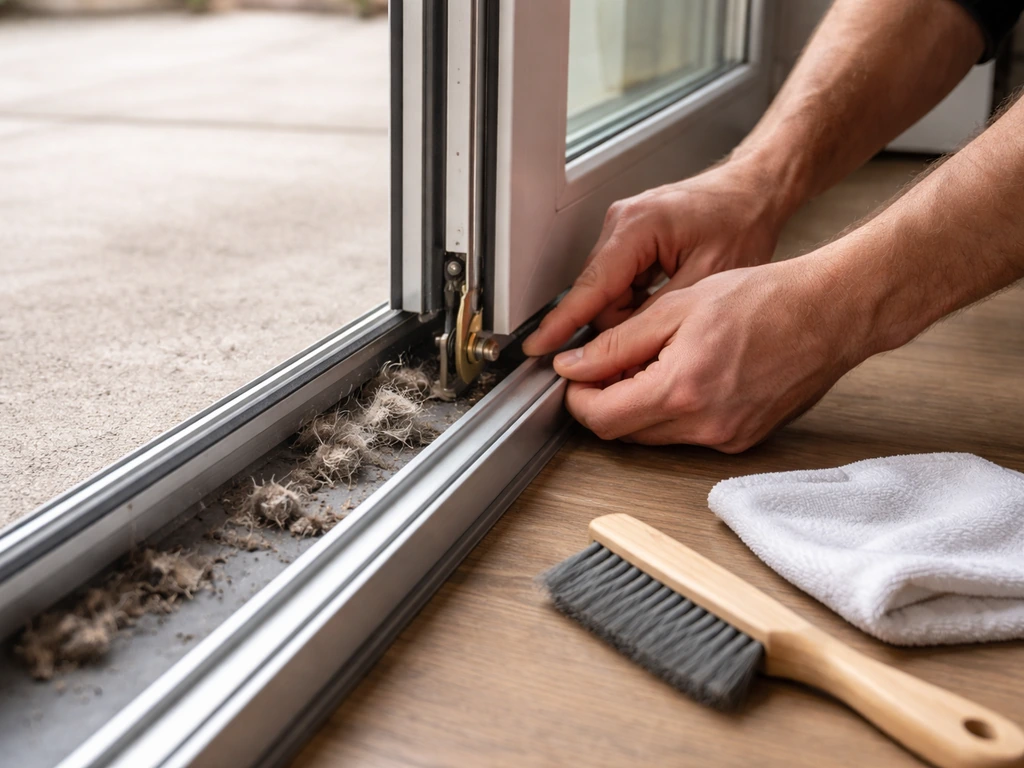
A patio door that rattles in its track or doesn't sit flush in the frame when closed has gaps you can't fix with weatherstripping alone. The door panel needs to be properly aligned first. Misalignment is also a security issue: a door that doesn't close squarely is easier to lift off the track or force open.
Clean and Inspect the Track
Dirt, debris, and pet hair packed into the track forces the door panel to sit higher or at an angle, which breaks the weatherstripping seal at the bottom and sides. Clean the track thoroughly with a stiff brush and vacuum, then wipe it down with a damp cloth. Don't use oil-based lubricants on the track itself, because they attract more dirt. A dry silicone spray or a thin coat of paste wax on the track is all you need.
Adjust the Rollers
Most sliding patio doors have adjustable rollers at the bottom corners of the panel. You'll see an adjustment screw, usually accessible through a small hole or slot at the bottom edge of the door frame, sometimes covered by a plastic cap. Turning the screw clockwise raises that corner of the door, counterclockwise lowers it. Adjust both sides until the door panel sits evenly in the frame and the top of the panel is parallel to the top rail. Once aligned, the weatherstripping should make even contact all the way around when the door is closed.
If the rollers are visibly cracked, flat-spotted, or won't hold adjustment, replace them. Roller sets typically cost $15 to $40 depending on your door brand. This is a DIY-friendly job that takes about an hour and makes a dramatic difference in how the door sits in the frame.
The Threshold and Bottom Seal
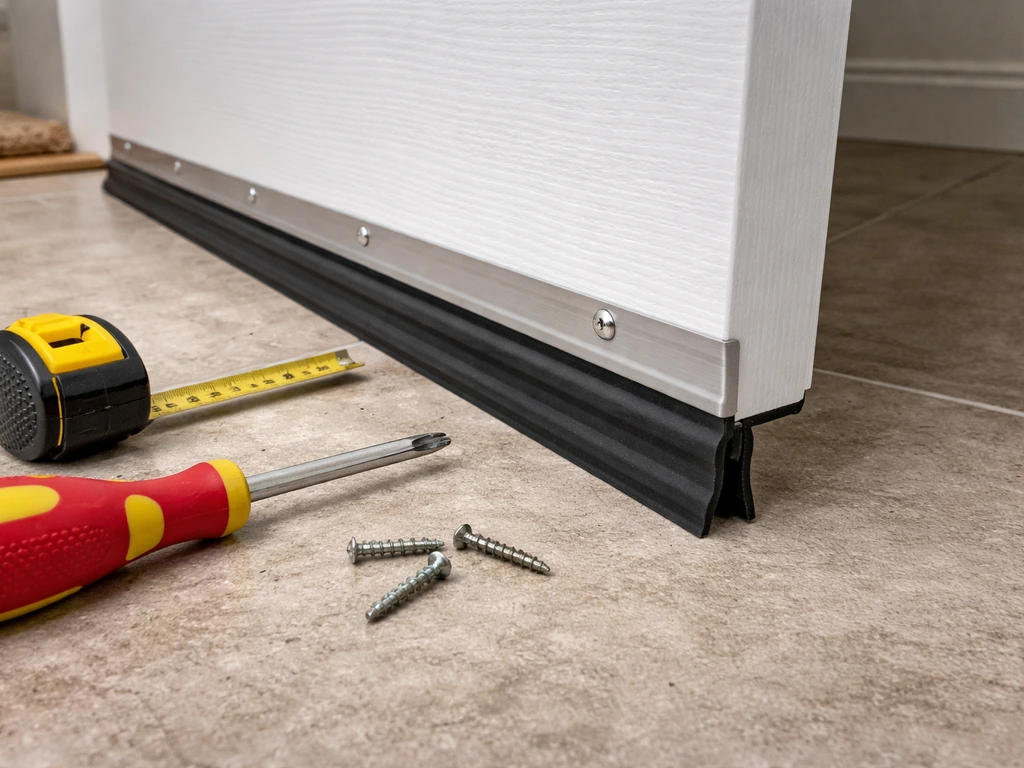
The threshold is one of the worst offenders for sound leakage, especially on older doors where the bottom wiper seal has been worn flat by years of use. Replace the bottom door sweep or wiper seal so it makes firm contact with the threshold when the door is closed. On some doors, the threshold height is also adjustable with screws, allowing you to raise it slightly for a better seal. Check your door manufacturer's specs before adjusting, since overtightening can make the door drag.
If you also have a screen door, check its bottom and side seals too. Screen doors often have minimal weatherstripping from the factory, and even though they won't stop significant sound, closing the gap on the screen adds a small extra air buffer that helps.
Improve the Glass Performance
Once gaps are sealed and the door is properly aligned, glass becomes the main limiting factor. Standard double-pane glass offers some insulation but is not particularly good at blocking sound, especially low-frequency noise. Here are your realistic options, from least to most invasive.
Acoustic Window Inserts
These are interior acrylic or glass panels that attach to the inside of the door frame using magnetic tape or compression fit, creating a second air gap between the insert and the existing door glass. They're removable, don't require any permanent modification, and can reduce noise transmission by 50% or more on mid-to-high frequency sounds. For a standard patio door panel (roughly 34 by 76 inches), expect to pay $200 to $400 depending on the material and supplier. Indow and similar brands make custom-sized versions. This is the highest-impact reversible upgrade available.
Secondary Glazing (DIY Film and Panel Systems)
Secondary glazing is a more permanent version of the insert approach. You install a secondary framed panel on the interior side of the door. This is more complex on sliding doors than on hinged doors, because the panel has to either be fixed in place (making the door non-operable while installed) or designed to slide in its own track. For a patio door you use regularly, fixed secondary glazing is only practical on the stationary panel. On the sliding panel, a removable insert is the better choice.
Glass Replacement or Upgrade
If your door has single-pane glass or old sealed units where the gas fill has failed (you'll see fogging between the panes), replacing the glass unit with laminated or acoustic glass is worth considering. Laminated glass has a PVB interlayer that dampens vibration and significantly reduces sound transmission compared to standard double-pane. This is a professional job and runs $300 to $700 or more per panel depending on size and glass spec. It's most cost-effective when combined with a full door inspection and any needed frame work.
Add Acoustic Layers: Curtains, Seals, and Interior Treatments
No single layer stops all sound, but combining treatments adds up. Think of it as building a stack: each layer you add reduces what makes it through to the next one.
Acoustic or Mass-Loaded Curtains
Heavy, floor-to-ceiling curtains hung close to the door surface add mass that absorbs and reflects sound. True acoustic curtains (not just blackout curtains) typically weigh 3 to 5 pounds per panel and have a dense woven or layered construction. Hang them from a rod mounted as close to the ceiling as possible and let them puddle on the floor slightly to eliminate the gap at the bottom. The closer the curtains sit to the door when closed, the more effective they are. Brands like NICETOWN, WPKIRA, and Moondream make acoustic-rated panels in the $40 to $120 range per panel. This won't work miracles on low-frequency noise, but for voices and general outdoor chatter, you'll notice the difference immediately.
Door Frame Seals and Acoustic Foam Tape
On the door frame itself, anywhere you've identified a gap that standard weatherstripping doesn't fully address, acoustic foam tape or closed-cell EPDM tape fills the space more completely than basic foam. It compresses better, lasts longer, and provides both air sealing and some vibration damping. Apply it to the door stop (the small lip on the interior side of the jamb that the door closes against) for a clean, tight seal.
Draft Snakes and Threshold Covers
For renters or anyone who wants a zero-modification option, a heavy door draft stopper placed along the bottom interior of the door adds another layer at the most vulnerable spot. It's not a permanent solution, but combined with curtains and resealed weatherstripping, it completes the stack at minimal cost.
DIY vs Calling a Pro: How to Decide
Most of what's covered in this guide is genuinely DIY-friendly. But a few situations call for a professional, both for quality of result and to avoid creating new problems.
| Situation | DIY or Pro? | Why |
|---|---|---|
| Worn or missing weatherstripping | DIY | Simple, cheap, no special tools needed |
| Dirty or debris-packed track | DIY | Just cleaning and light lubrication |
| Roller adjustment (height alignment) | DIY | One screwdriver, takes 20 minutes |
| Roller replacement | DIY (intermediate) | Requires removing the door panel; manageable with a helper |
| Acoustic caulking around frame | DIY | Standard caulk gun work |
| Acoustic window insert installation | DIY | No tools required; measure carefully before ordering |
| Secondary glazing on stationary panel | DIY (advanced) or Pro | Framing and fit need to be precise; hire out if unsure |
| Glass unit replacement (fogged or cracked) | Pro | Requires proper sealing and handling of large glass panels |
| Frame replacement or structural gap repair | Pro | Could affect door function, weatherproofing, and security |
| Laminated or acoustic glass upgrade | Pro | Spec, measurement, and installation all require professional handling |
One thing to watch when sealing: don't compromise your door's lock or security hardware. A common mistake is packing so much weatherstripping into the meeting rail area that the door won't fully latch or the latch bolt can't extend properly. Always close and lock the door after each addition and confirm the lock operates smoothly. If the lock feels stiffer than before, back off the seal slightly. Security comes first.
Your Prioritized Action Plan
Here's the most cost-effective order of operations, designed to give you the biggest noise reduction per dollar and hour spent:
- Diagnose: Feel for drafts around the perimeter, threshold, and track. Identify whether it's gap noise or glass noise.
- Clean the track and adjust roller height so the door panel sits flush and square in the frame ($0 to $5 for silicone spray)
- Replace worn weatherstripping on all four sides of the sliding panel, the meeting rail, and the bottom sweep ($15 to $40)
- Seal the interior door frame to the wall with acoustic caulk ($10 to $20)
- Add acoustic foam tape to the door stop on the jamb for a tighter close ($8 to $15)
- Hang floor-to-ceiling acoustic curtains, mounted near the ceiling ($80 to $200 for a standard door)
- Install an acoustic window insert on the sliding panel if glass noise is still an issue ($200 to $400)
- Consider laminated glass replacement or professional frame work for persistent low-frequency noise or visible frame damage (get two or three quotes)
Steps 1 through 5 combined cost under $80 and can be done in a few hours. Most readers will notice significant improvement just from those first five steps. The curtains and insert are the next tier if you want to push further without touching the glass or frame permanently.
If you're also dealing with cold drafts and energy loss alongside the noise, the overlap with winterproofing and insulation is almost complete. Follow the same approach as your Frost King patio door insulation kit instructions: focus on sealing gaps around the door frame and bottom seal for better comfort and reduced noise winterproofing and insulation.
If you want to go a step further for winter, you can use the same sealing and insulation methods to keep heat from leaking around the patio door insulate patio doors for winter. The sealing steps here work double duty for thermal performance, so you're solving two problems at once.
The same goes for any work you're doing to cover the door for privacy or aesthetic reasons: heavier panels and tight-fitting window coverings always help acoustics at the same time.
FAQ
What should I do first if I want to know whether the problem is the gaps or the glass?
Most noise improvements start at leakage and gaps, not the glass. If voices are clear outside even when you think the door is closed, focus on weatherstripping around the sliding panel, the meeting rail gap, and the frame trim caulk before buying acoustic glass or inserts.
Can I just add more weatherstripping to get more sound reduction?
Sliding patio doors generally rely on compression and brush or wiper seals that must touch the door evenly. If you overstuff the meeting rail or force the door out of square, you can create latch problems and new air paths. Always re-check that the door closes squarely and locks normally after each seal change.
Why do I still hear bass even after I resealed the patio door?
Low-frequency noise (traffic rumble or bass) is harder to block with sealing alone because it can vibrate through the glass. For that situation, add mass and a second air gap (acoustic insert or secondary glazing on the stationary panel), and consider laminated or acoustic glass if you have single-pane or failing sealed units.
How can I confirm the gaps I’m sealing are actually the main sound path?
Test for airflow with your hand at the track, threshold, meeting rail, and frame trim while someone else closes the door. Also check after cleaning and aligning, because a dirty track or misaligned rollers can break the bottom seal even if the weatherstrip looks new.
What lubricant should I use on the patio door track for both smooth operation and soundproofing?
Avoid oil-based lubricants on the track because they attract dust and pet hair, which quickly reintroduces alignment and seal failures. Use only a dry silicone spray or a light paste wax on the track surface, then wipe away excess so grit does not build up.
Will acoustic inserts or secondary glazing affect how my sliding patio door works?
Yes, but you need to account for visibility and latch clearance. If you add an interior insert or secondary panel, verify that the sliding action still clears the edges and that rollers and the bottom sweep still maintain full contact when the door is fully closed and locked.
What should I do if my patio door becomes difficult to slide after adding seals?
If your door is hard to open after weatherstripping, the seal is likely too thick or the door is misaligned. Back off compression slightly, confirm rollers are adjusted so the door sits evenly, and replace any damaged seals instead of compressing them beyond their range.
How do I know when it’s time to replace the patio door glass instead of just sealing gaps?
If fogging appears between panes or you have single-pane glass, that indicates the sealed unit has likely failed (for double-pane) and acoustic performance will suffer. Upgrading to laminated or acoustic glass can materially reduce transmission, especially for voice and general outside chatter, but it is typically a professional glass job.
Why didn’t acoustic curtains seem to help much in my room?
Even with perfect sealing, you can lose results if the curtain gap is large. Hang acoustic curtains close to the door surface when the door is closed, use the correct weight or dense construction, and let a small puddle at the bottom to reduce the bottom air gap.
Do I need to soundproof my patio screen door too?
A screen door can still help a little with drafts and adds a small extra air buffer, but it will not block sound like a properly sealed patio door. If you want meaningful reduction, prioritize the main door seals, track cleanliness, and the threshold wiper before sealing the screen.
What are the best renter-friendly options for soundproofing patio doors?
If you live in a rental or cannot modify the door frame, reversible inserts and heavier draft stoppers can help, but you should still do non-damaging steps like replacing removable weatherstripping only if allowed. For caulk and permanent foam tape, check your lease because many landlords consider those modifications.
Next Article
How to Insulate Patio Doors for Winter: DIY Steps
Step-by-step DIY guide to stop drafts in sliding and hinged patio doors with weatherstripping, sweeps, seals and fixes.