Most patio door problems, whether it's a door dragging on the track, a gap letting cold air pour in, a lock that won't catch, or a screen that jumped its channel, have a fast, same-day temporary fix that will keep your home usable and safe while you sort out the proper repair. None of these require special skills or expensive tools. The goal here is simple: stop the immediate problem, secure the house, and buy yourself time to do the job right. Next, make sure you have safe steps from patio door to deck while the door is out of service stop the immediate problem, secure the house.
Temporary Steps for Patio Door Problems Today

Jamie Archer
29 Jun 2026
Check safety first before touching anything
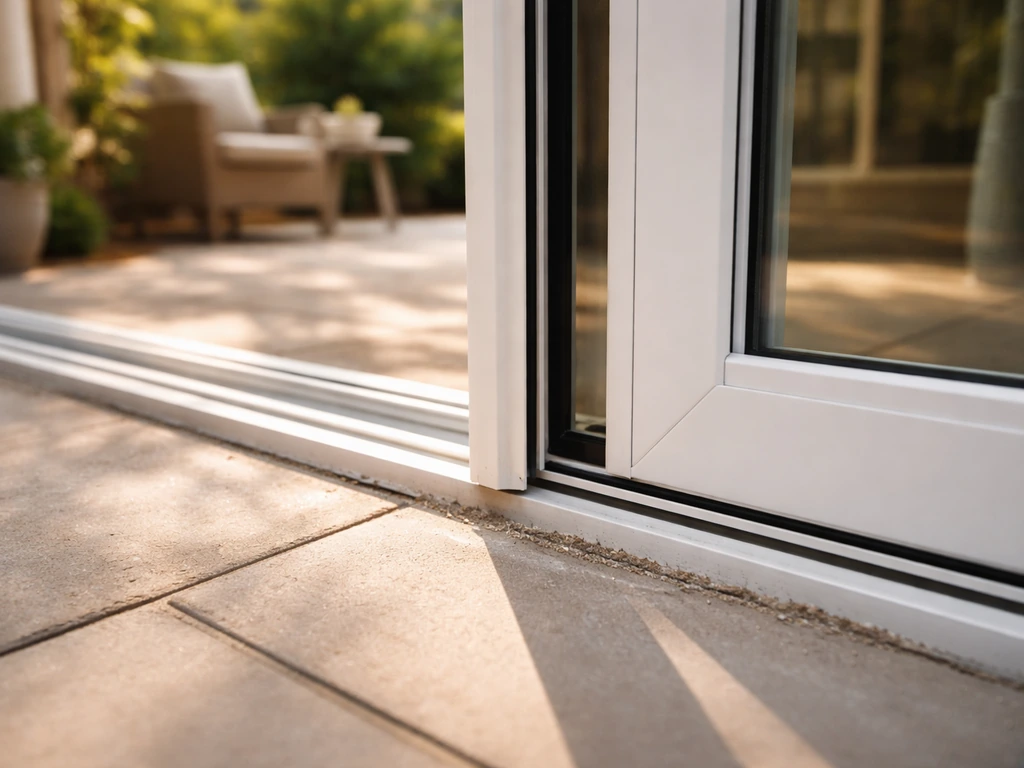
Before you reach for a lubricant or a piece of tape, take 60 seconds to assess what you're actually dealing with. A patio door that has jumped completely off its track creates a real fall hazard since the glass panel can shift and tip. If your patio door has building steps off patio door, use the safety steps for assessing an off-track or leaning door before attempting any adjustments. If the door is leaning or visibly out of plumb, don't try to force it open or closed. The same goes for any cracked or broken glass: don't handle a fractured panel with bare hands, don't slide it, and don't let kids or pets near it until the glass is secured or removed.
The other big safety check is security. A patio door that won't lock properly is an open invitation, especially overnight. Whatever temporary fix you use for the mechanism itself, make sure you also have a secondary security measure in place (covered below) before you go to bed. Once you've confirmed no immediate glass hazard and the home is secured, you can work through the fixes below in whatever order matches your problem.
Temporary fixes for a stuck or stiff sliding door
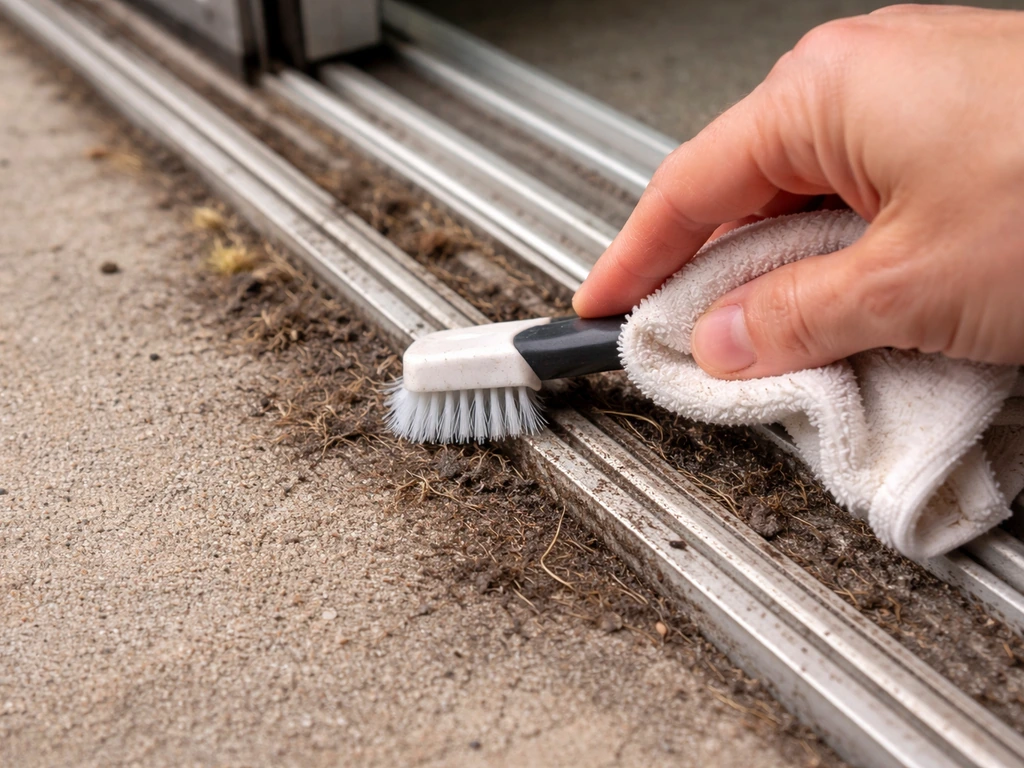
A door that drags, binds, or barely moves is almost always a track problem first and a roller problem second. Start with the track. Grime, pet hair, and debris pack into the bottom channel and act like a brake. With the door closed, vacuum the track channel thoroughly to pull out loose dirt before you do anything else. Then wipe it down with a damp cloth. You'll often be surprised how much difference a clean track makes immediately.
Once the track is clean, lubricate it. Use a dry silicone spray, not WD-40, not 3-in-1 oil, not cooking spray. Oil-based products attract more dirt and grime over time and will make the problem worse within a few weeks. A couple of passes of silicone spray along the track, then slide the door back and forth a few times to work it in. That alone fixes a large percentage of sticking doors and takes under five minutes.
If there's an obvious obstruction in the track, like a bent piece of track metal or a stone that got kicked in, carefully remove it. A flathead screwdriver can gently pry a minor bend back into shape as a temporary measure. Don't try to reshape badly damaged track; that's a permanent fix job. But a small crimp or raised edge can often be pressed back down enough to let the door slide freely again.
Roller, alignment, and off-track fixes
If the track is clean and the door still drags badly, the rollers are the likely culprit. If the track is clean and the door still drags badly, the rollers are the likely culprit, and you can also follow concrete steps down from patio doors to make sure you are moving in the right direction. Most sliding patio doors have two rollers at the bottom of the panel, accessed through small covers or slots on the bottom edge of the door. You can adjust roller height with a Phillips screwdriver. Turning the screw clockwise typically raises the panel; counterclockwise lowers it. The goal is to get the door riding level in the track with even clearance on both sides.
Make small adjustments, a quarter-turn at a time, and test the door after each one. If the door is dragging on one side, raise that corner slightly. Important: if you've already made several adjustments and the door is still binding or grinding, stop. Important: if problems persist after adjusting roller screws, it may indicate the rollers need inspection, so don't keep forcing adjustments stop. Continuing to force roller adjustments. Continuing to force roller adjustments when the rollers themselves are worn, flat-spotted, or seized will damage the track. That's a signal to leave it alone and schedule a proper roller replacement.
For a door panel that has fully jumped its track, here's the temporary re-seating process for a standard sliding glass door. First, lift the panel slightly by the frame (not the glass) and angle the top edge into the upper channel. Then lower the bottom edge into the lower track. Keep your fingers clear of pinch points at both ends. Once it's seated, test it gently before applying any weight or force. If it keeps jumping off, something structural is wrong with the track or the rollers and the door should not be operated until repaired. If you end up doing a full patio door project, these build steps for a patio door can help you plan the repair or replacement correctly build steps for patio door.
Temporary security fixes when the lock won't catch
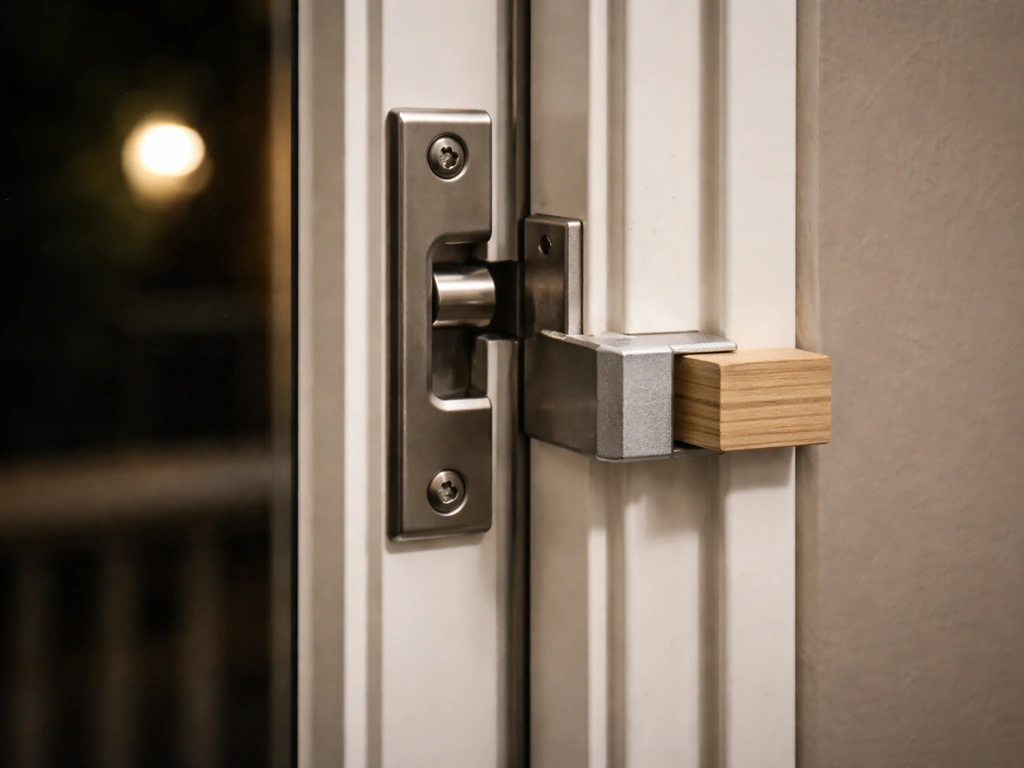
A patio door lock that won't engage is a serious problem, and you need a temporary workaround in place tonight, not next week. The most reliable short-term security fix for a sliding door is a track bar: a cut-down wooden dowel or metal rod laid in the bottom track. Measure the track length from the closed door to the far frame, cut a piece of wood (a closet rod or 1-inch dowel works perfectly) to fit snugly, and drop it in the track. This physically prevents the door from being forced open even if the latch is completely broken. A section of old broomstick works just as well.
For swing-style patio doors with a latch that isn't catching, the usual cause is the door has sagged slightly and the latch bolt is no longer aligned with the strike plate hole. As a temporary fix, you can enlarge the strike plate mortise slightly with a metal file to bring it into alignment. Don't remove or reposition the strike plate without addressing the underlying hinge sag, but a few strokes with a file to widen the opening just enough for the bolt to engage is a legitimate short-term solution.
For both door types, adding a sliding bolt or surface-mount security pin to the top of the door frame is another fast option that doesn't damage anything and gives you a solid secondary lock while you wait for the main hardware to be fixed. These cost under fifteen dollars at any hardware store and install with a screwdriver.
Quick weatherproofing to stop drafts right now
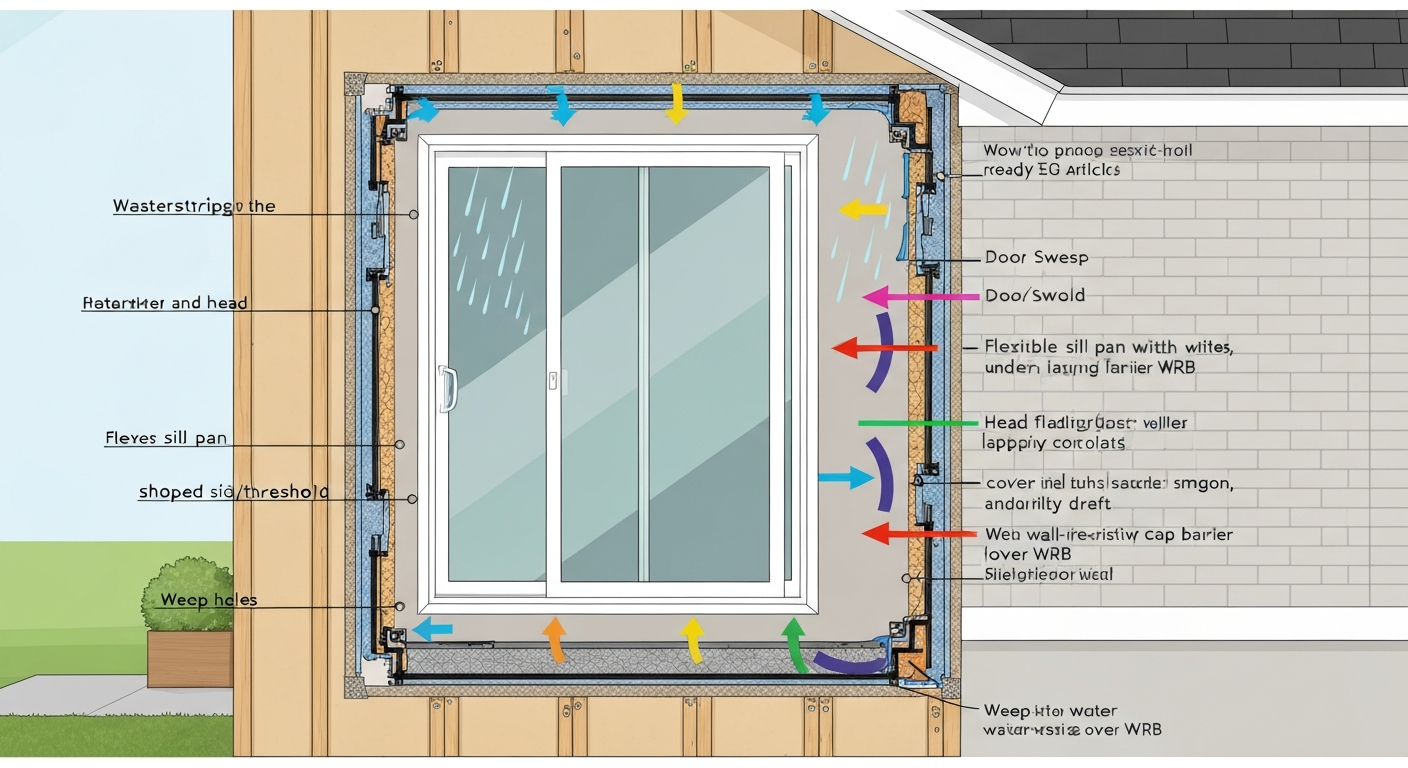
A drafty patio door usually means the weatherstripping has compressed, torn, or pulled away from the frame. The fastest temporary fix is foam weatherstrip tape from any hardware store. Peel-and-stick versions take about ten minutes to apply along the door jamb and will immediately reduce airflow. Use a closed-cell foam tape rather than open-cell for better compression. It's not a permanent fix because the adhesive eventually fails and the foam compresses further, but it will hold for several weeks to a few months depending on how much the door is used.
If there's a visible gap along the bottom of the door (light visible under the door sweep), a temporary door sweep replacement is cheap and easy. Most door sweeps just screw onto the bottom of the door with two screws. Pull off the old one, take it to the hardware store to match the profile, and install the new one in under 20 minutes. This is one of those repairs where temporary and permanent are basically the same job.
For larger gaps on a door that has shifted or warped slightly, painter's tape or rope caulk pressed into the gap works as an emergency stop. Rope caulk (sometimes called weather seal rope) is a gray putty-like product that you press into gaps by hand. It peels off cleanly without damaging the frame, making it ideal for a situation where you want to stop the draft today without committing to a permanent sealant while the door issue is still being diagnosed.
Temporary screen door fixes and when to remove the screen
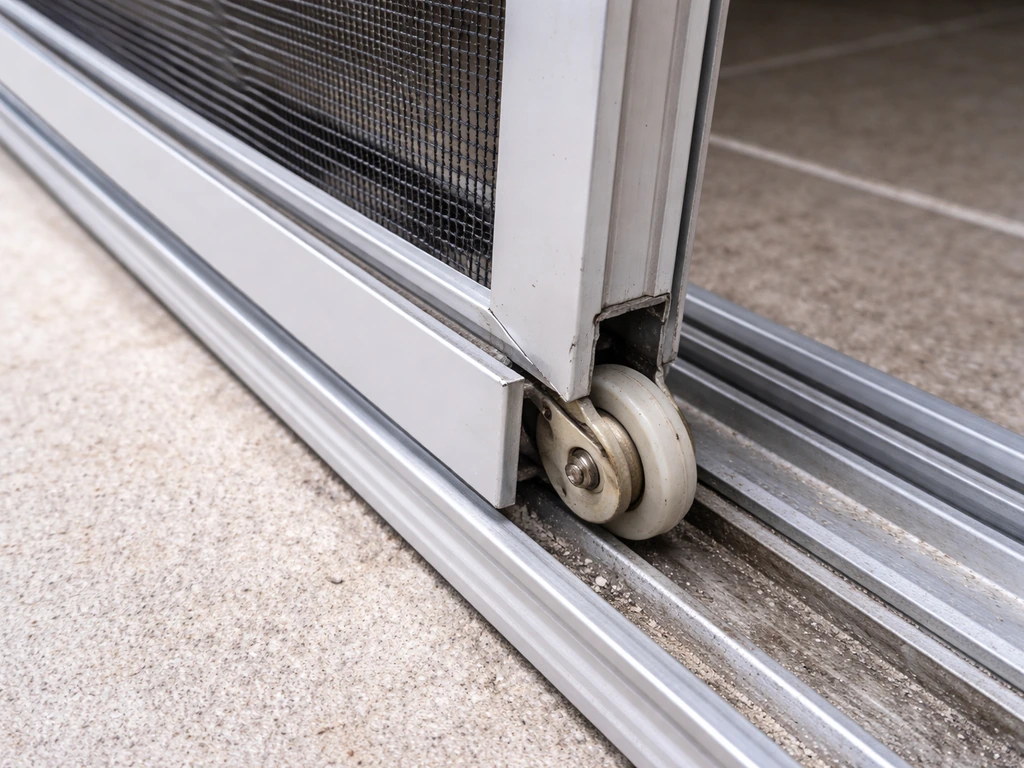
Screen doors have their own set of problems: they jump off track, the rollers seize, the mesh tears, or the frame bends. The first thing to check is the track condition. Clean the sill track and the head frame channel where the screen rides, the same way you would for the main door. A dirty, gritty screen track is by far the most common reason screens bind or won't slide.
If the screen has jumped its channel, re-seating it is the same process as a main door panel but much easier since screens are lightweight. Tilt the top of the screen frame into the upper channel first, then lower the bottom into the track. Most screen doors also have small plastic rollers at the corners with adjustment screws. If the screen is dragging, a slight height adjustment with a flathead screwdriver will usually solve it.
Torn screen mesh is a safety and pest issue, not just cosmetic. A temporary patch kit (available at any hardware store for a few dollars) uses adhesive mesh patches that press over small holes or tears and hold well enough to keep insects out. For a large tear or a bent frame, the honest answer is to just remove the screen door entirely for now. Lift it straight up into the upper channel to compress the bottom rollers, then angle the bottom out of the lower track. Store it flat in the garage until you're ready for a proper repair or replacement. A damaged screen door that keeps jumping off track is more frustrating than useful.
When to stop the DIY temporary fix and call for repair
Temporary fixes have real limits and knowing when you've hit them saves you from turning a manageable repair into a more expensive one. Stop the DIY temporary approach and get the door properly repaired or inspected if any of the following apply.
- The glass panel is cracked, chipped at the edge, or the seal is broken (foggy appearance between panes on double-glazed glass). These are not DIY-fixable with temporary measures.
- The door keeps jumping off track even after you've re-seated it and checked the rollers. That usually means the track itself is bent or the frame is out of square.
- Roller adjustments haven't helped after a few careful attempts. Forcing more adjustments can damage the track and escalate the repair cost significantly.
- The lock mechanism is broken internally rather than just misaligned. A broken latch or deadbolt mechanism needs a hardware replacement, not a workaround.
- There is visible rot, rust, or structural damage on the door frame or threshold. No temporary fix addresses this and it will get worse.
- The door is a swinging French-style patio door with significant sag on the hinges, to the point where the door drags on the threshold. Hinge adjustment or replacement is needed.
- You've used a temporary security workaround (track bar, etc.) for more than a few days. That's a short-term patch on a real security vulnerability.
If you're at the point of thinking about a proper solution, the next steps break naturally into two directions: a full repair using new hardware (rollers, track, weatherstrip, lock sets), or replacement with a prefab door unit. If the door frame is in good shape and the hardware is the issue, repair is almost always the better value. If the frame is damaged, the glass seal is broken, or the door is simply old and inefficient, replacement makes more sense. Either way, the temporary fixes above will keep things functional and safe while you make that decision.
FAQ
Can I use WD-40 or regular oil if my patio door is sticking right now?
Better not. WD-40 and oil-based products can leave residues that attract grit, which usually makes the sticking worse in weeks. For a same-day fix, use a dry silicone spray intended for door tracks, then wipe away any overspray from the door edges so it does not smear onto the rollers.
How long can I rely on foam weatherstrip tape or painter’s tape as a temporary draft stop?
Treat it as a short-term hold, typically weeks to a few months, depending on door use and sun exposure. Check it every couple of weeks for peeling edges or gaps returning, especially near the latch side where the door tends to compress weatherstripping differently.
What should I do if the track is clean and lubricated, but the door still binds or grinds?
If small roller tweaks do not quickly restore smooth movement, stop forcing adjustments. Grinding after lubrication often points to flat-spotted or seized rollers or a damaged track surface, and continuing can wear the track unevenly. Your next step should be inspection or roller replacement rather than more turning of the height screw.
My sliding patio door keeps jumping off its track during normal opening and closing. Is it safe to keep using it “just carefully”?
No. If the panel reseats once but then repeatedly jumps, the cause is usually misaligned rollers, a bent or worn track, or a structural issue. Even if it feels manageable, repeated off-track behavior increases fall and glass-shift risk, so keep it out of service until repaired.
Are the track bar and secondary top lock options safe for overnight security?
They can be. A properly fitted track bar in the bottom track prevents forcing even when the latch fails, and a surface-mount top bolt gives extra holding power. Still, do not rely on security steps if there is an off-track or broken-glass condition, and make sure nothing blocks the door from fully closing into its intended position.
How do I choose the right size foam weatherstrip tape or door sweep for my patio door?
Match based on where the seal contacts, not just the gap size. For foam tape, choose closed-cell foam and follow the tape thickness that compresses when the door is latched. For a door sweep, take the old sweep to the store and compare the profile and mounting method, because different bottom channels require different shapes.
Should I attempt roller height adjustment if my door is off-level but the track looks slightly damaged?
First address obvious obstructions or minor bends in the track. If the track is clearly bent, cracked, or has raised metal that could rub, adjusting rollers might temporarily mask the issue while it gets worse. When you see track damage beyond a small crimp, it’s usually better to repair the track or schedule replacement rather than keep re-leveling.
What safety gear or precautions should I use when reseating a glass door panel or adjusting rollers?
Wear cut-resistant gloves when handling any near-glass components and keep fingers away from pinch points at the ends of the track. Lift by the frame, not the glass, and test gently with minimal force before fully opening. Also keep pets and kids away until the panel is stable in both channels.
How can I patch a torn screen temporarily, and when should I replace the whole screen?
Use an adhesive mesh patch kit for small tears, press firmly around the edges, and let it cure before pulling the screen taut. Replace the screen door instead of patching if the frame is bent, the tear is large, or the screen keeps jumping track because a patch will not solve alignment or structural problems.
What signs mean the next step should be full repair versus replacement of the patio door?
If the frame is warped, the glass seal is failing (condensation between panes or visible seal separation), or multiple components are repeatedly failing (rollers, track, weatherstrip, and locking hardware), replacement often becomes the better value. If the frame is solid and only hardware is worn, repairing with new rollers, track components, and sealing materials is usually the more cost-effective path.
Next Article
How to Protect Patio Door from Rain: DIY Fixes, Steps & Costs
How to protect patio door from rain: step-by-step DIY fixes, tests, tools, seasonal tips, and when to call a pro.