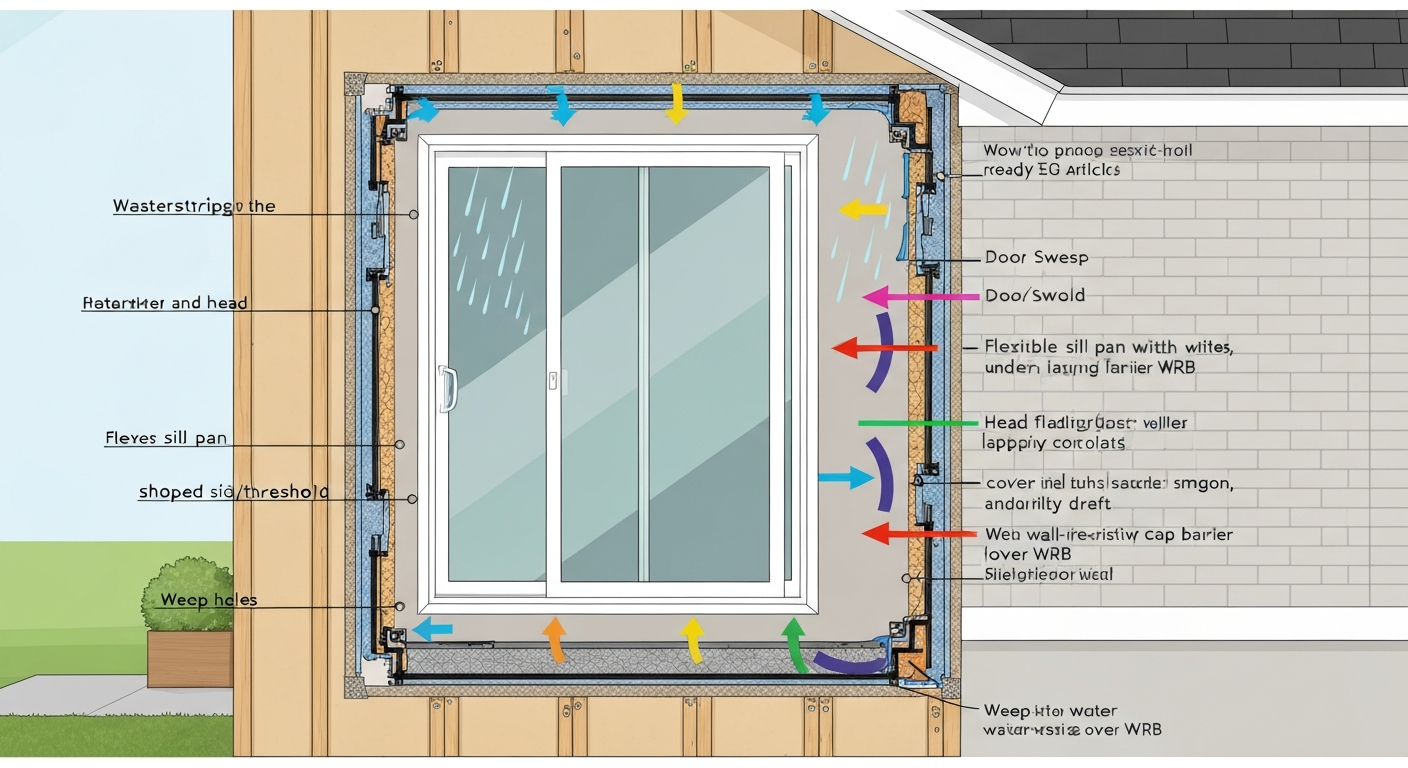
Most patio doors that won't stay open have one of four problems: a dirty or damaged track slowing the rollers, misaligned panels or sagging screens that catch on the frame, a latch or hook that's partially engaging, or weatherstripping friction pushing the door back closed. Fix whichever one applies to your door and it'll stay open reliably. This guide walks you through all of them, plus a few quick workarounds you can use right now while you troubleshoot. If the patio door feels frozen and will not slide smoothly, try the unfreezing steps in our guide on how to unfreeze patio door quick workarounds.
How to Keep a Patio Door Open: Fix Sliding and Screen Doors

Jamie Archer
6 Jul 2026
Quick ways to hold the door open right now
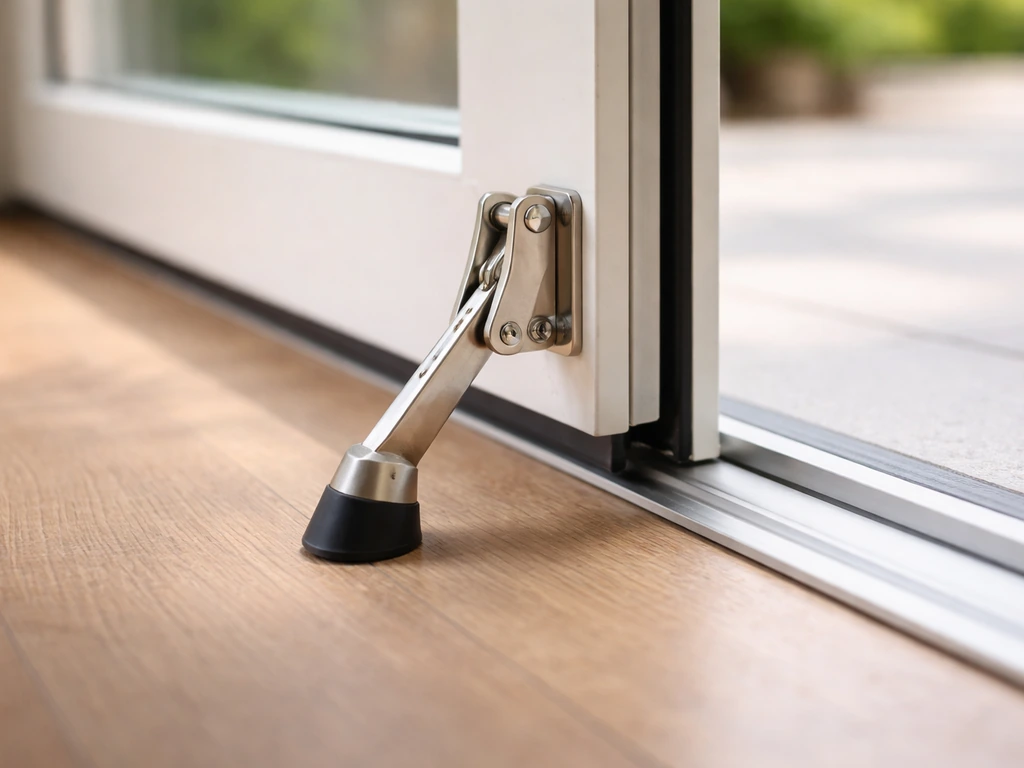
Before you dig into the root cause, here are safe ways to prop the door open today. These aren't permanent fixes, but they work while you figure out what's actually wrong.
- Kickdown door stop: A floor-mounted kickdown stop (also called a plunger stop) holds the door panel at any open position without blocking the frame opening. These are made specifically for exterior use and cost around $10 to $20 at any hardware store.
- Hook-style hold-open stop: Mounts on the door frame and catches the door panel via a hook or arm. Good for sliding glass doors because it keeps the panel stable against unexpected gusts.
- Spring-loaded door restrictor (like a Slide-Safe): Flips out against the frame when the door is opened and physically prevents it from sliding shut until you reset it. Originally designed as a child-safety finger-pinch guard, but it doubles as a hold-open device.
- A rubber-backed door wedge: Cheap and works in a pinch. Place it on the track side of the door panel rather than under it, so it contacts the frame without sitting in the roller path.
One safety note worth flagging here: whenever you prop a patio door open, especially overnight or when you're not in the immediate area, double-check that your screen door is latched and that you haven't left the glass panel in a position where it can't be quickly closed. Keeping the door open in gusty conditions is a separate problem worth looking into if wind is the specific culprit for you.
Figure out why your door won't stay open
The fix depends entirely on the cause, and the cause usually comes down to whether you have a sliding glass door or a screen door, and which part of the system is misbehaving. Here's a simple way to narrow it down.
Sliding glass door vs. screen door
Sliding glass doors are heavier and run on roller carriages at the bottom (and sometimes top guides). When they drift closed or catch, it's almost always the rollers, track, or lock hardware. Screen doors are lighter, run on smaller plastic or nylon rollers, and are more prone to sagging or catching on the frame when the door height is off. Both can have weatherstripping friction issues, but it's more commonly a glass door problem.
Diagnose the symptom
| Symptom | Most likely cause | Where to look first |
|---|---|---|
| Door slowly drifts shut on its own | Track dirty or rollers dragging unevenly | Bottom track and roller condition |
| Door catches or jumps when sliding | Debris in track or bent/worn track surface | Bottom track and roller wheels |
| Door slides fine but springs back closed | Weatherstripping or threshold friction | Door edges and bottom sweep |
| You feel resistance near the closed position | Latch hook catching the keeper | Lock hardware and strike alignment |
| Screen door sags and catches top or bottom | Roller height misadjusted or rollers worn | Screen door roller adjustment screws |
| Glass door feels heavy but moves | Worn rollers or roller-track mismatch | Roller wheels and track contact surface |
Clean the track and rollers first
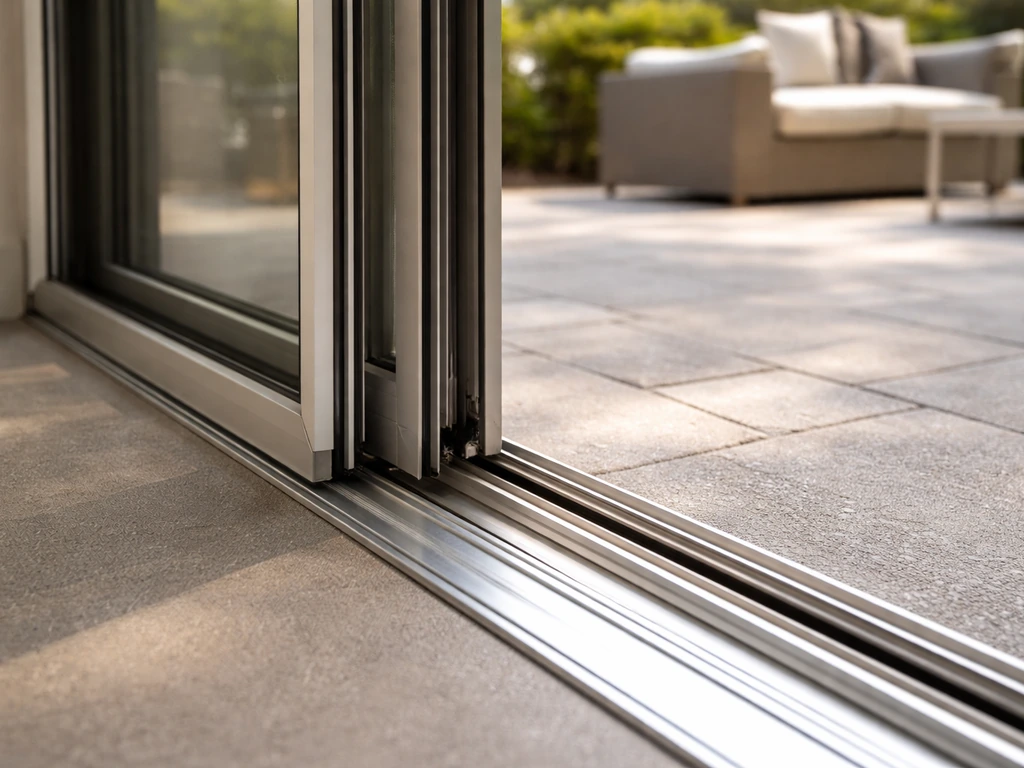
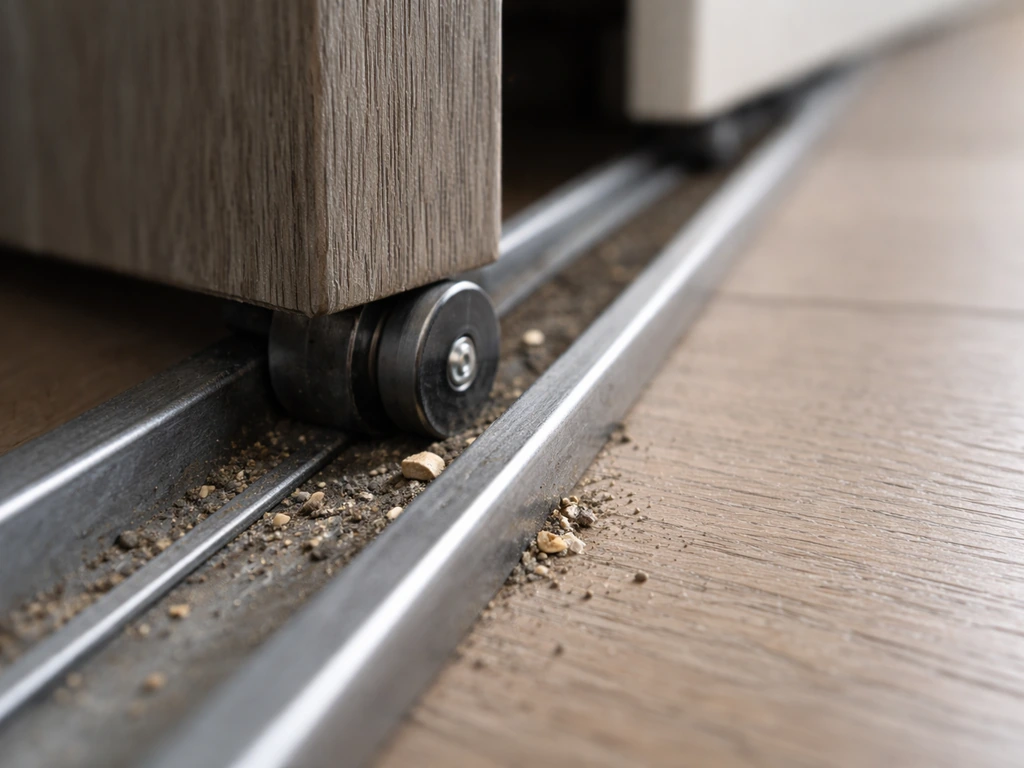
Dirt and grit in the track act like sandpaper under the rollers. Even a small amount of debris can create enough drag to make a glass door drift back toward the closed position after you let go. This is the most common cause and the easiest to fix, so always start here before adjusting hardware. Regularly cleaning sliding patio door tracks helps them open and close more easily and can reduce long-term maintenance costs and the risk of damage to frame and hardware regular cleaning of sliding patio door tracks.
- Vacuum the track channel using a narrow crevice attachment. Get into the full length of the bottom track, not just the visible areas near the door. Debris packs into the ends and corners where it does the most damage.
- Wipe down the track with a damp cloth or stiff-bristle brush. For built-up grime, a paste of baking soda and water or a mild all-purpose cleaner works well. Avoid soaking the track with liquid.
- Clean the roller contact surface specifically. This is the narrow raised portion of the track that the roller actually rides on. Use a toothbrush or small stiff brush to scrub this strip clean.
- Inspect the track for dents, bends, or gouges after it's clean. A visually clean but bent track can cause the same sticking problem as a dirty one. Run your finger along the track and feel for raised edges or depressions.
- Check the rollers themselves by lifting the door slightly (have someone help with a glass panel) and spinning each roller wheel. They should spin freely. A roller that wobbles, grinds, or is flat on one side needs replacement.
- Dry the track completely before lubricating. Lubricating over wet or dirty surfaces traps grime and makes the problem worse within a few weeks.
One thing to keep in mind: if your track is visibly bent or shows gouges from years of use, cleaning alone won't solve the problem. Worn rollers and damaged tracks usually need to be replaced together, since a new roller on a chewed-up track (or vice versa) won't perform correctly.
Adjust rollers, alignment, and sagging screens
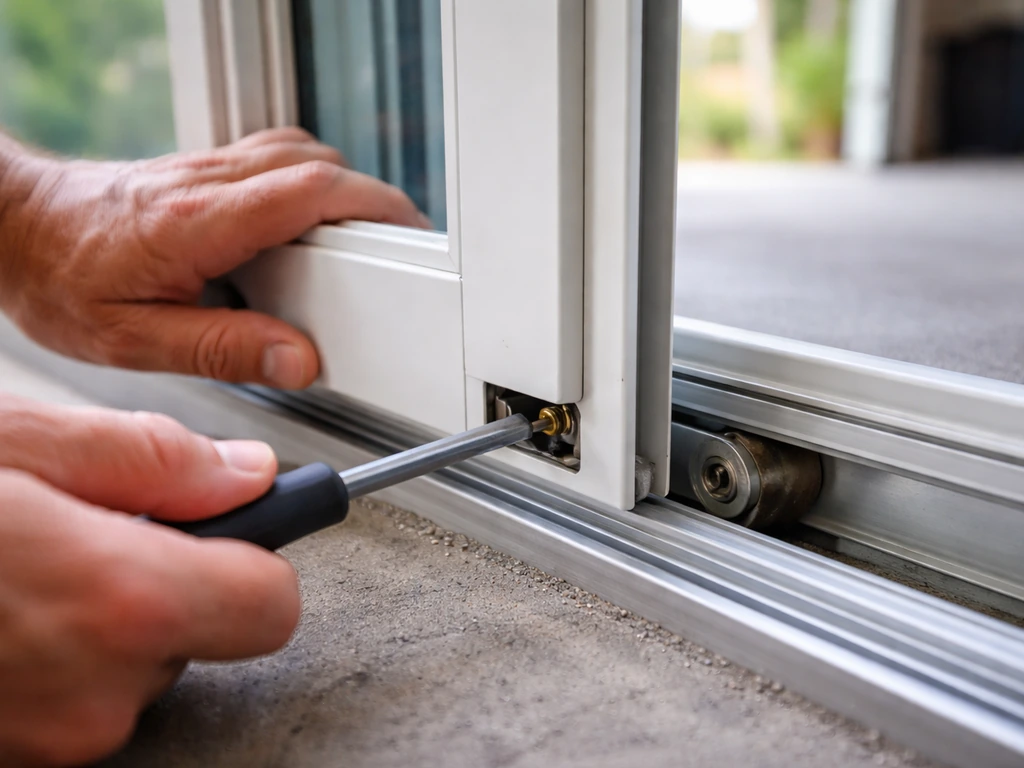
Adjusting rollers on a sliding glass door
Roller adjustment screws are usually accessed through small holes in the bottom edge of the door panel, covered by plastic plugs. Pop the plugs out with a flathead screwdriver. On most patio doors (Pella, MILGARD, and others follow this convention), turning the adjustment screw clockwise raises the door, counterclockwise lowers it. Raising the door lifts it off the track slightly, which reduces friction. The goal is to have the door sitting level, with the bottom panel running parallel to the track and the top guide engaged but not dragging.
Make small adjustments, a quarter turn at a time, then slide the door and check the feel. On Pella doors, the guidance is to position the door within about half an inch of the lock jamb before fine-tuning the roller height. If your adjustments aren't making a noticeable difference after a few turns in either direction, the rollers themselves are likely worn out, not just out of position.
Fixing a sagging or catching screen door
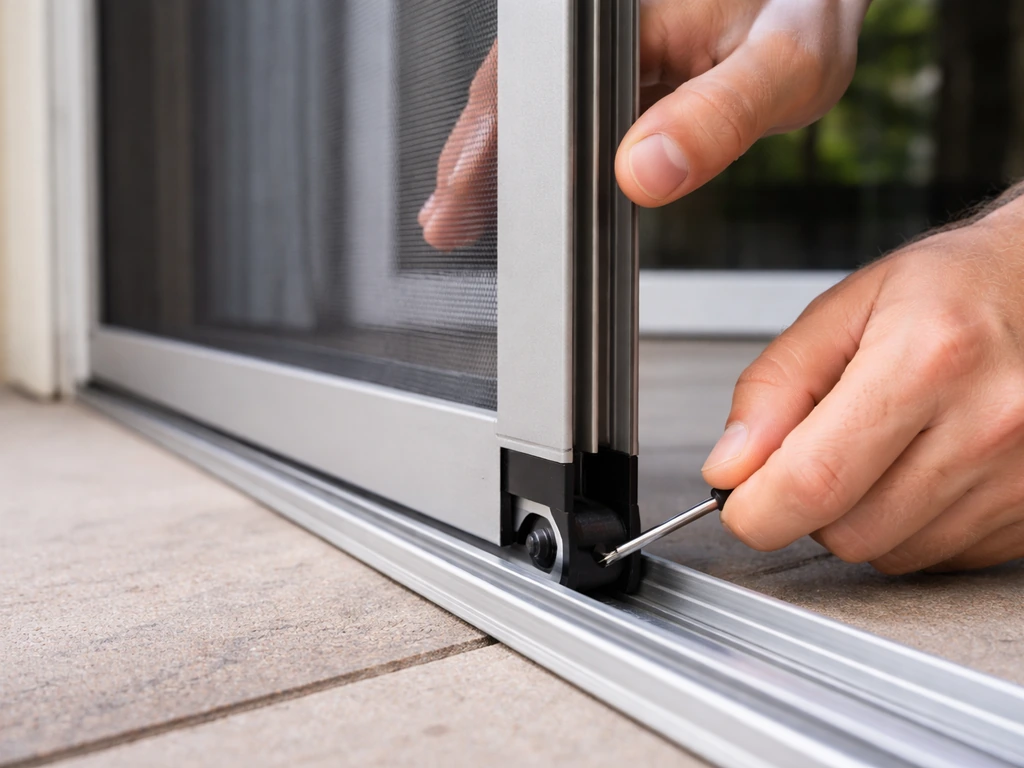
Sliding screen doors use small plastic or nylon rollers at the bottom (and sometimes a guide at the top). When the roller height is set too low, the screen sags and the top rail drags on the patio door frame or header track. When it's too high, the bottom of the screen can catch the threshold. Either way, the door won't stay open because it keeps hanging up mid-slide. The adjustment screws are slotted and usually visible on the bottom corners of the screen frame. Use a flathead screwdriver to raise or lower each corner until the screen sits level and slides without catching.
Also check the latch alignment on screen doors. The bug latch or hook needs to align with the keeper on the door frame. If it's catching prematurely before the door reaches a fully open position, it'll feel like the screen is stopping on its own. Loosen the keeper screws, reposition it slightly, and retighten.
Lubrication: what to use and what to skip
Once the track is clean and the rollers are spinning freely, lubricate the track contact surface. The right product matters here. Silicone-based spray lubricant is the correct choice for sliding door tracks and rollers. It doesn't attract dust or grit, stays in place without running, and doesn't degrade plastic or rubber components. Dry PTFE (Teflon) spray is another excellent option and is actually slightly better in very dusty environments because it leaves even less residue.
What to avoid: WD-40 is a penetrating solvent, not a lubricant, and it leaves an oily film that acts like a magnet for dirt. Within a few weeks, your track will be coated in a sticky grit paste. Petroleum-based greases and heavy silicone grease compounds have the same problem. Stick to silicone spray or dry PTFE, applied sparingly to the track surface after cleaning.
Other hardware worth checking
- Top guide channel: Wipe it clean and apply a thin line of silicone spray. The top guide should contact the door frame lightly, not grip it.
- Roller wheels (if accessible): A small amount of silicone spray on each wheel where it contacts the axle pin helps prevent premature wear.
- Bottom sweep: Don't lubricate this. If the sweep is dragging on the threshold, it's a replacement or adjustment issue, not a lubrication issue.
- Lock mechanism: A small amount of graphite powder or silicone spray into the lock cylinder is fine. Avoid heavy grease inside the lock body.
Check the latch, lock hook, and weatherstripping
Latch and lock hook issues
A partially engaging lock hook is one of the sneakier causes of a door that won't stay open. What happens is: the door slides toward the closed position and the hook catches the keeper just enough to hold it there, even though the door isn't fully closed or locked. From a distance it looks like the door drifted shut on its own. Up close, you'll see the latch handle is partially depressed or the hook has caught the edge of the strike.
To fix this, start by checking the strike (keeper) position. On most sliding patio doors, the strike plate is adjustable. Loosen the screws and shift it slightly away from the hook's engagement path, so the hook can't catch unless the lock handle is deliberately actuated. Pella and other manufacturers include a separate lock strike adjustment procedure that lets you move the strike up, down, or in/out to dial in the correct engagement depth. If the hook itself is bent or the lock adjustment screw has drifted (Pella's lock adjustment screw is turned clockwise to change hook engagement depth), that's the next thing to check. Adjust one component at a time to keep track of what's actually changing.
Weatherstripping and threshold friction
If the door slides freely when you push it away from the closed position but feels like it's being pulled back once it gets within a foot or two of closed, weatherstripping compression is likely the issue. If your patio door freezes shut, the same kind of increased friction near the bottom and seals is often the culprit, and the fix starts with checking weatherstripping and roller height feels like it's being pulled back once it gets within a foot or two of closed. The seals are doing their job, but they're either compressed too much (because the roller height is too low) or they've swelled from age and moisture. Start by raising the door slightly via the roller adjustment screws and testing again. If the friction eases up, roller height was the culprit. If not, check the weatherstripping itself for tears, folds, or sections that have come out of their groove and are bunching against the frame. Reseating displaced weatherstripping in its channel often solves the problem without replacement.
A damaged bottom sweep can also drag on the threshold and create enough resistance to push the door back toward the closed position. If you're specifically trying to close a sliding patio door smoothly, focus on reducing roller and track friction and setting the rollers to the correct height. If the sweep is torn, compressed flat, or hanging loose, replace it. This is a five-minute job on most doors and sweeps are available at any hardware store for under $15.
Seasonal maintenance checklist
Doing a quick maintenance pass twice a year (spring and fall are ideal) keeps most of these problems from ever developing. Here's what to cover each time.
- Vacuum and wipe down the bottom track, including the roller contact surface and both ends of the channel where debris collects.
- Inspect the roller wheels for flat spots, cracking, or wobble. Replace rollers if they don't spin cleanly.
- Check the track surface for dents or raised edges. Light surface rust on a steel track can be removed with fine steel wool; a visibly bent track should be replaced.
- Apply silicone spray to the clean, dry track surface and to the top guide channel. Wipe off any excess.
- Test roller height by sliding the door and checking that it moves smoothly with even resistance across the full travel range. Adjust if needed.
- Inspect weatherstripping around all four sides of the door for tears, compression, or displacement. Re-glue or replace any sections that have pulled away from the groove.
- Check the bottom sweep for wear and replace if it's compressed flat or torn.
- Test the lock and latch engagement. The hook should engage cleanly only when the handle is actuated, not as the door passes through mid-travel.
- For screen doors, test the roller height and latch alignment. Adjust roller screws and reposition the keeper if the screen catches anywhere along its travel.
- Clean the glass panel and screen frame with mild soap and water to prevent mineral buildup near the track edges.
If your door consistently drifts shut even after cleaning, lubrication, and roller adjustment, the next step is replacing the rollers. It's a DIY-friendly job that takes about an hour and the rollers themselves typically cost $15 to $40 depending on the door brand. At that point, the track should also be inspected closely, because worn rollers and a damaged track usually occur together. Getting both right at the same time saves you from doing the job twice.
FAQ
What should I check first if my patio door slides for a moment, then slowly drifts closed?
Start with the bottom track and roller area for grit. Even when the door seems to move fine, debris can create drag that pulls the door back when you release it. After cleaning, test the door again before changing roller height or lock hardware.
How can I tell whether the door is misaligned versus the rollers being worn?
If you make a few quarter turns of the roller adjustment in both directions and you do not feel a noticeable change in smoothness or staying open, the rollers are likely worn rather than just out of position. Also look for wobble or scraping marks that match the track surface.
Is it safe to wedge a patio door open overnight?
Only for short-term troubleshooting. If you must prop it, use a stable object sized to prevent the door from creeping, and confirm the screen is fully latched. Re-check it before you leave the area, because wind and temperature changes can increase friction and shift the door.
Why does my screen door stop partway open but my glass door seems fine?
Screen doors commonly sag or have corner height set too low or too high, causing the top rail to drag on the frame or the bottom to catch the threshold. Adjust both bottom corners in small steps and re-test, then confirm the bug latch aligns with the keeper.
What if adjusting the screen corners makes it slide better, but the screen still won’t stay open near the top?
That pattern often points to the latch alignment or a slight rack (panel not square). Re-check the keeper position so the bug latch does not catch early, and make sure the screen sits level in the frame before further height changes.
How do I lubricate the track without making it worse later?
Clean first, then apply a silicone-based spray or dry PTFE lightly to the track contact surfaces. Over-applying can attract dust and eventually increase drag. After lubricating, wipe any excess from the frame and threshold area.
Can I use WD-40 or general-purpose grease to solve a patio door that drifts shut?
It’s usually a mistake. WD-40 leaves an oily residue that traps dirt and can turn into a sticky film, and heavy petroleum greases often build up over time. If you already used it, clean the track again and switch to silicone spray or dry PTFE.
My lock hook seems to be catching early. How do I adjust it without throwing off alignment?
Adjust one component at a time, typically the strike/keeper first. Loosen the keeper screws, shift it slightly so the hook cannot engage unless the handle is actuated, then retighten. If needed, follow the manufacturer’s lock engagement adjustment for hook depth after strike adjustment.
When the door is harder to move only when it’s nearly closed, what’s the likely cause?
Increased friction near the last foot or two usually means weatherstripping compression is too high or the seal has swollen or shifted. Start by raising the door slightly (small quarter turns), then inspect weatherstripping for tears, folds, or sections that have popped out of their channel.
Should I replace the weatherstripping or can I reseat it?
Try reseating first when the seal is intact but out of position. If you see tears, severe swelling, or the seal no longer stays in its groove, replacement is likely the better fix. Reseating often restores the intended compression without changing other hardware settings.
How can I tell if the bottom sweep is dragging even when the track looks clean?
If you feel resistance right at threshold transition or hear scraping, inspect the sweep for being torn, compressed flat, or hanging loose. A dragging sweep can push the door back toward closed even when rollers are properly adjusted, so replacement is sometimes the fastest solution.
How often should I do maintenance to prevent the door from drifting shut again?
A twice-year pass (spring and fall) helps most. Clean grit from the track, check for alignment issues on rollers and latch/keeper hardware, and confirm the door still slides freely after lubrication.
If I replace rollers, should I also replace the track or other parts?
Not always, but you should closely inspect the track for gouges or bending. If the track is damaged or the rollers show uneven wear, replacing both rollers and rollers plus any damaged track components at the same time usually prevents repeat failure and extra labor.
Next Article
How to Protect Patio Door from Rain: DIY Fixes, Steps & Costs
How to protect patio door from rain: step-by-step DIY fixes, tests, tools, seasonal tips, and when to call a pro.