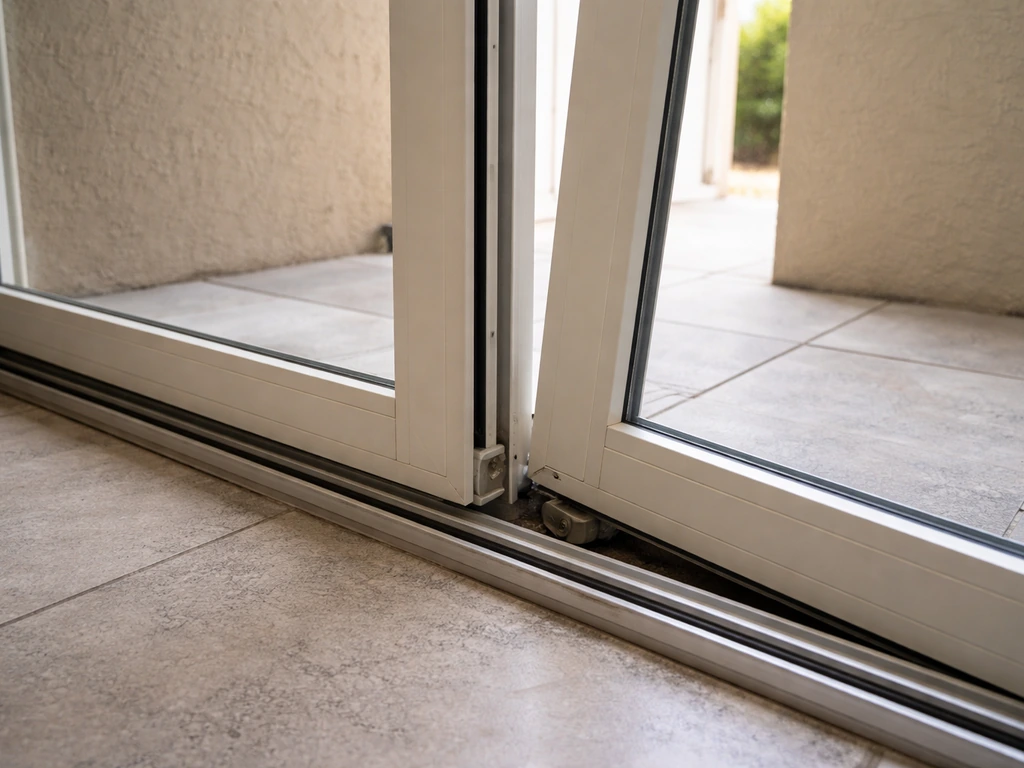
Most blinds built into patio doors can be fixed without replacing the entire unit. Whether the blind is stuck, won't retract, hangs crooked, has a broken slat, or has a snapped cord, the fix usually comes down to one of three things: a tension issue in the spring mechanism, a cord or cord-lock problem, or a bracket and alignment issue. This guide walks you through diagnosing the exact problem and fixing it yourself, with honest notes on when replacement or a pro call makes more sense.
How to Fix Blinds Inside Patio Doors: DIY Guide

Jamie Archer
20 May 2026
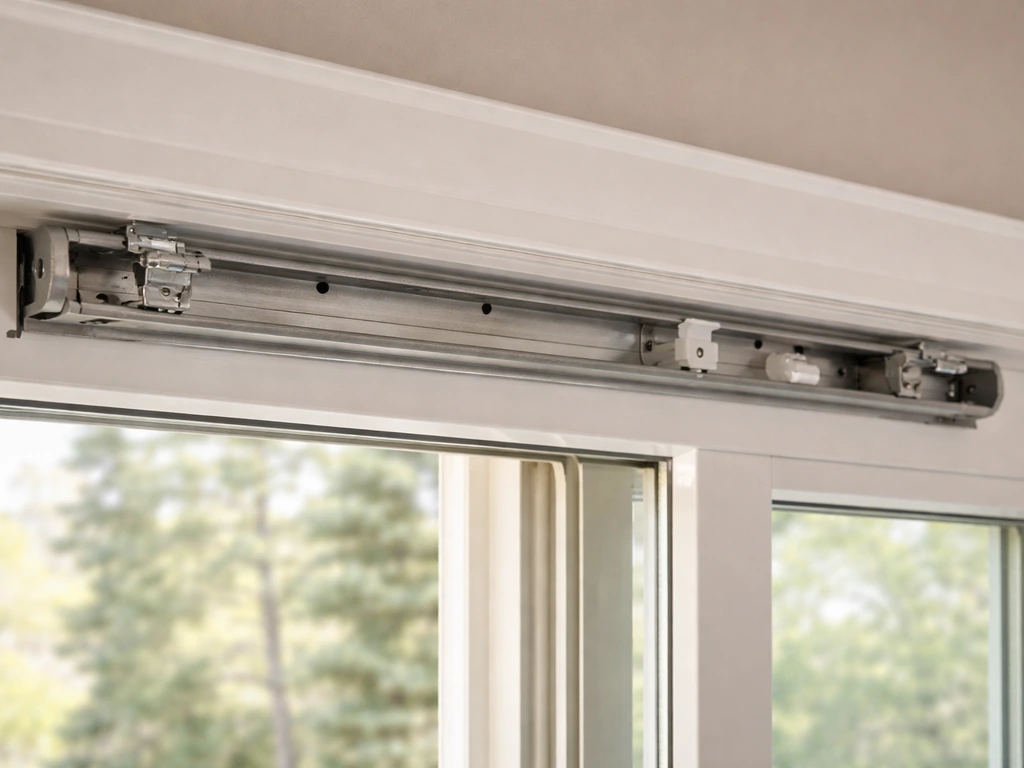
Figure out which blind system you have and what's broken
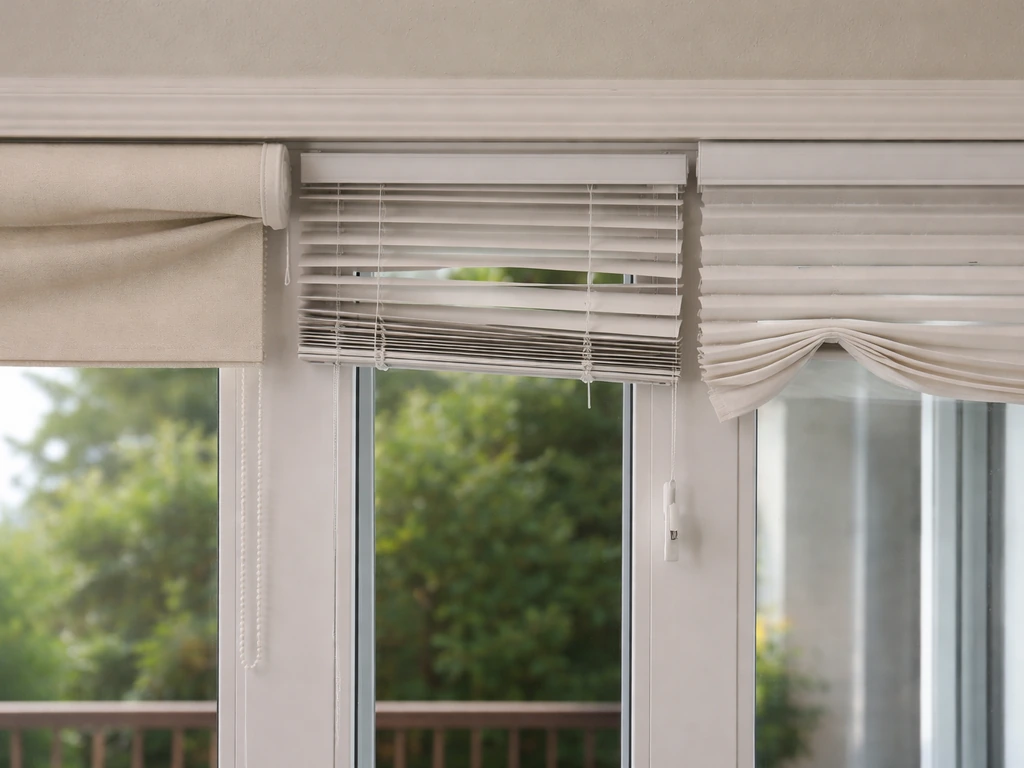
Before you grab any tools, spend two minutes identifying what type of blind is installed in your patio door. The repair path is completely different depending on the system, and misidentifying it wastes a lot of time.
| Blind Type | What It Looks Like | Common Failure |
|---|---|---|
| Roller shade | Single fabric sheet that rolls onto a tube at the top; may be cordless (spring) or corded | Won't retract, fabric droops, spring tension lost |
| Pleated/cellular shade | Accordion-folded fabric; one or two layers; often cordless on door installs | Hangs crooked, pleats uneven, lift cords tangled |
| Mini blinds (horizontal) | Narrow aluminum or faux-wood slats, tilted by a wand or cord, raised by lift cords | Broken slat, tangled cord, cord lock stuck, uneven tilt |
| Vertical blinds | Individual fabric or vinyl vanes hanging from a top track, tilted and drawn open/closed | Vane clips broken, carrier damaged, vanes won't tilt |
Once you know the type, match it to your symptom. The most common complaints are: (1) the blind won't move up or down at all, (2) it moves but won't stay in position, (3) it hangs at an angle or the slats/pleats run crooked, (4) a slat or section of fabric is visibly damaged, or (5) a cord or string is broken or tangled. Each of those has a specific diagnosis path covered below.
Safety checks and what to grab before you start
Blinds inside patio doors are low-voltage or entirely mechanical, so there's no electrical risk for standard corded or cordless systems. That said, there's one important exception: if your door has a motorized blind with a wired or battery-powered motor, disconnect the power before opening the headrail. Beyond that, the main safety concern is the internal spring inside a roller tube. The spring stores tension, and if you open the roller tube carelessly it can snap back. Keep your face away from the tube end when releasing or reseating the spring.
Hold-down brackets are also worth a quick mention here. Many patio door blinds use hold-down brackets that pin the bottom rail to the door, which prevents swinging when the door opens. If yours has them, you'll need to release the pin from the bottom rail before doing almost any repair. It only takes a few seconds but people often forget it and wonder why the blind won't budge.
Here's what to have on hand before you start. You probably won't need all of it, but having it nearby prevents mid-repair hardware runs.
- Flathead and Phillips screwdrivers
- Needle-nose pliers
- Replacement slats (match width and color if doing a mini-blind slat swap)
- Replacement cord or lift cord kit (check your blind brand before ordering)
- Silicone spray lubricant (not WD-40, which attracts dust)
- A soft cloth for cleaning tracks and rails
- Ladder or step stool for headrail access
- Tape measure (useful for checking bracket spacing and headrail fit)
Diagnose and fix the three most common operation problems
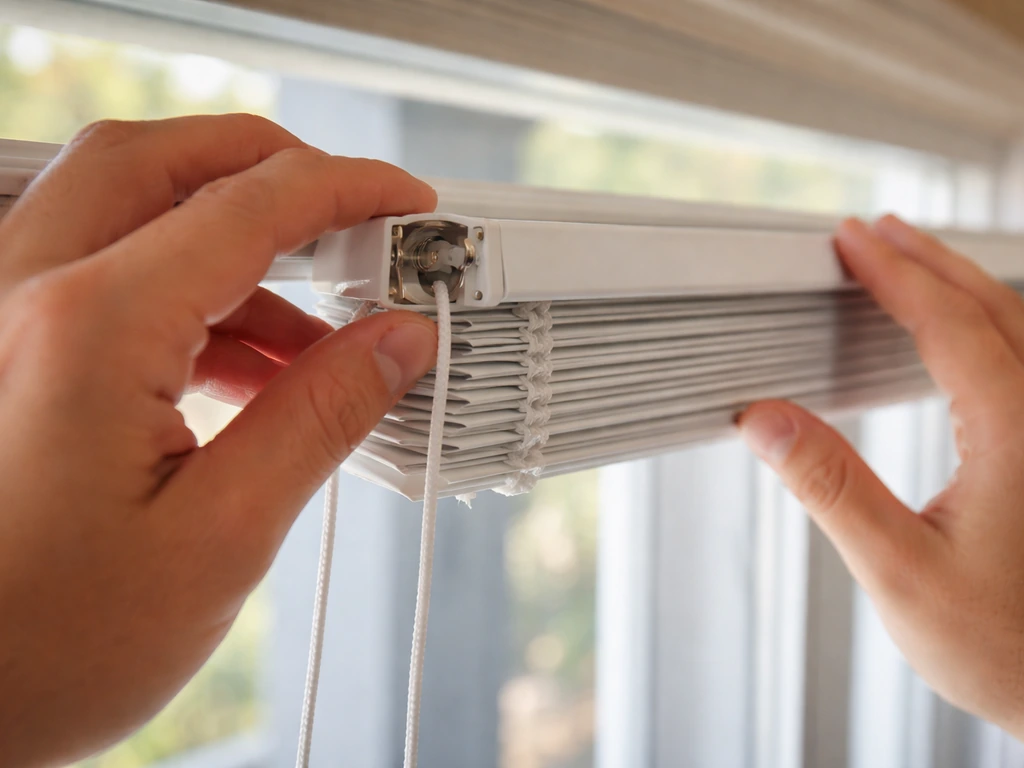
Blind won't move at all
If pulling the cord or pushing the blind does absolutely nothing, start with the cord lock. On corded mini blinds and some horizontal blinds, the cord lock is a small mechanism inside the headrail that grips the lift cords when they're routed through it. When this mechanism fails or jams, the blind is completely frozen. Pull gently on the draw cord sideways (toward the cord lock side) rather than straight down.
If it still won't release, you'll need to take the blind down and access the headrail to clear the jam or replace the cord lock. The procedure involves marking the knot position, pulling the draw cords through the mechanism, popping the cord lock out of the headrail slot, and reseating or swapping it before rethreading.
For cordless roller shades, a blind that won't budge is almost always a spring tension problem. The internal spring inside the roller tube has either gone completely slack or is locked up. Try this first: manually lower the shade to the halfway point, then remove it from the brackets. Hold the roller tube horizontally and roll the fabric back onto the tube by hand (rolling in the direction it naturally winds). Replace it in the brackets and try again. This manually resets the spring tension and solves the problem about half the time. If it's still dead, the spring itself may need replacement, which means sourcing a new roller tube or a spring kit for your specific blind width.
Blind moves but won't stay in position
A roller shade that slowly creeps down after you raise it has low spring tension. Raise it to the top, remove it from the brackets, and roll the fabric onto the tube by hand two or three full rotations to add tension. Rehang and test. Repeat until it holds. If it snaps back up too aggressively, do the opposite: let a few inches of fabric unroll before rehanging. For cordless mini blinds, leaving them fully closed for an extended period can cause the spring to lose its reset, so if yours has been sitting closed all winter, the fix is often just cycling it up and down several times to redistribute tension.
Blind is uneven, crooked, or wonky
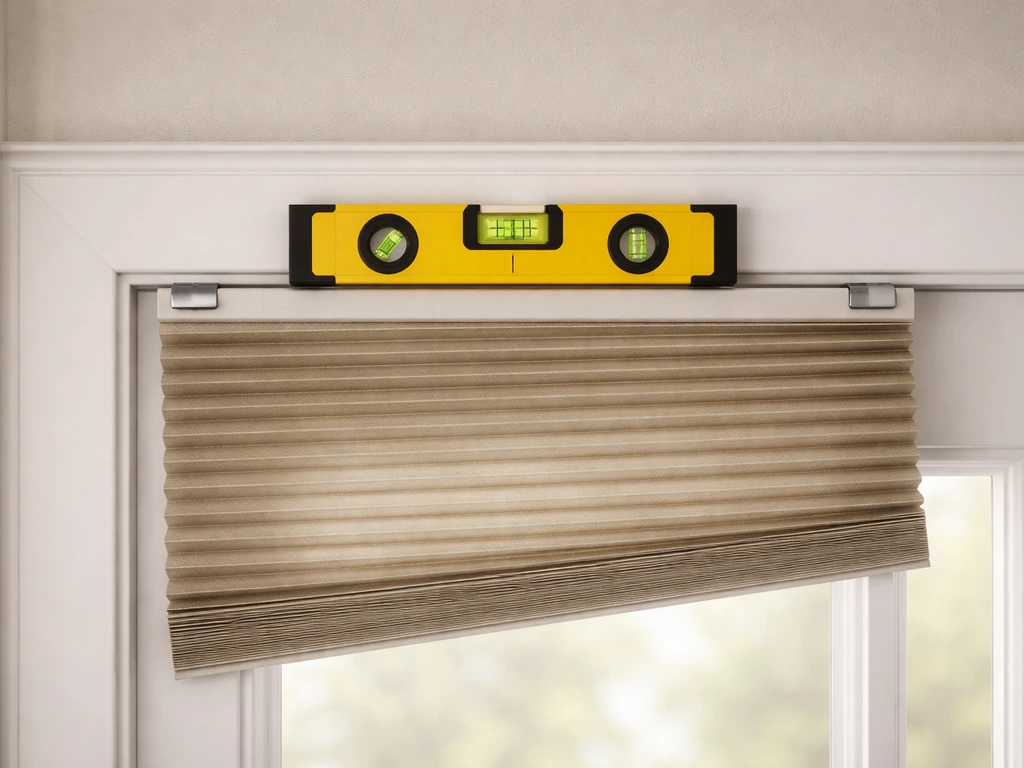
Crooked operation on a pleated or cellular shade almost always points to a component that's out of alignment. Check that both brackets are at exactly the same height on the door frame and that the headrail sits level in them. Even a 1/8-inch difference between the two bracket positions will cause the shade to descend at an angle.
For horizontal mini blinds, uneven hanging usually means a lift cord on one side has more slack than the other, or the tilter mechanism isn't fully seated into the headrail. Press the tilter firmly back into its slot and check whether even tilt is restored. If one side of the shade hangs noticeably lower than the other, re-examine the cords and equalize the cord lengths at the bottom rail knots.
Repair the most common physical failures
Replacing a broken slat on mini blinds
This is one of the more satisfying DIY fixes because it's genuinely straightforward. Lower the blind fully and untie the knots at the bottom rail so you can pull the lift cords free. Slide the slats out of the tilt ladders from the bottom up until you reach the damaged one. Remove the broken slat and slide the replacement into the ladder rungs in the same orientation. Re-thread the lift cord back through the routed holes in each slat, reinstall the bottom rail, and retie the knots. The whole job takes about 20 minutes once you have a matching replacement slat.
Fixing torn fabric or damaged pleats
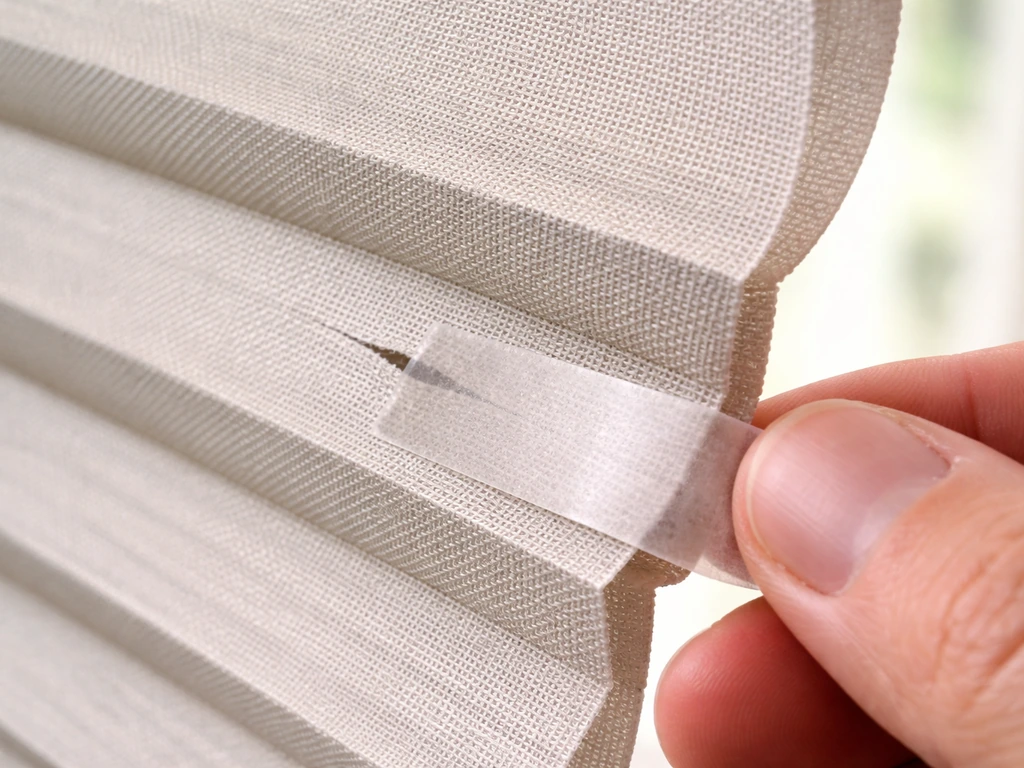
Small tears in roller shade fabric can be patched with fabric repair tape on the back side as a short-term fix, but honestly, torn fabric rarely looks good long-term. For pleated or cellular shades, a single crushed or torn pleat usually means the whole shade needs replacement because the fabric is a continuous panel with no individual sections to swap out. Before giving up though, check whether the shade is still under warranty. Hunter Douglas and similar brands will sometimes cover fabric replacement if the damage isn't caused by misuse.
Fixing a bent headrail or frame
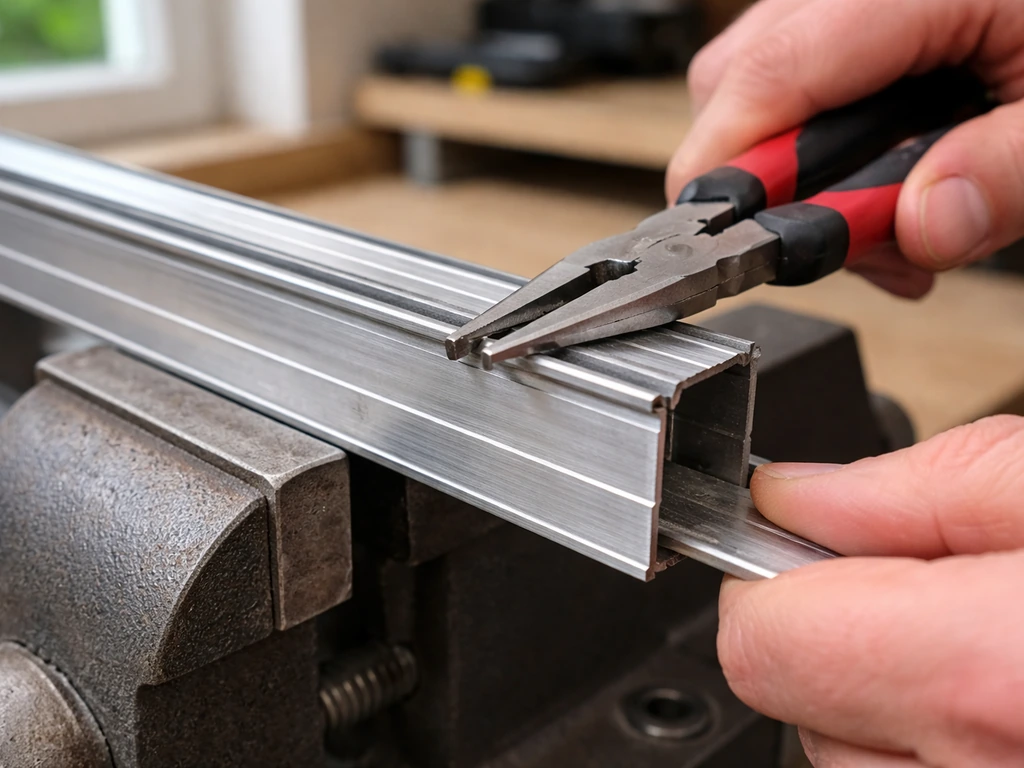
Aluminum headrails can warp if a door is slammed repeatedly or if something heavy hits the blind. Minor bends can be carefully straightened with needle-nose pliers or by hand, but if the headrail is twisted rather than just dented, it's very difficult to restore proper tracking. A twisted headrail will cause every other problem (crooked blinds, cord binding, tilt mechanism failure) to reappear no matter what else you fix. If the rail is badly twisted, replacement is the realistic answer.
Recoding or replacing a broken cord
If the cord is frayed or snapped, you need to recode the blind. If the existing cord isn't completely broken, you can use it as a pull-through guide for the new cord, which makes the job much easier. Thread the new cord by tying it to the old one, then pull the old cord through the path, dragging the new cord behind it.
Once the new cord is routed, tie a knot at the bottom rail and rethread through the cord lock. If the cord is completely gone and you have no guide, you'll need to follow the original routing path: down through the headrail, through each slat's routed hole, and into the bottom rail. Take a photo of the original cord path before you start so you don't lose track of it.
For a more in-depth walkthrough of cord-specific failures, the related topic on patio door blinds with a broken string covers this in more detail.
Tightening or repositioning loose brackets
Brackets that have worked loose are a very common cause of blinds that rattle, sit unevenly, or fall out of position. Remove the headrail, tighten the bracket screws firmly into the door frame (use slightly larger screws if the existing holes are stripped), and rehang. If the blind has too much lateral play inside the brackets after rehanging, you can bend the end tabs of the headrail outward very slightly using a flathead screwdriver to create a snugger fit. Don't overdo it: just enough to reduce the rattle.
Fix mounting and alignment issues specific to patio doors
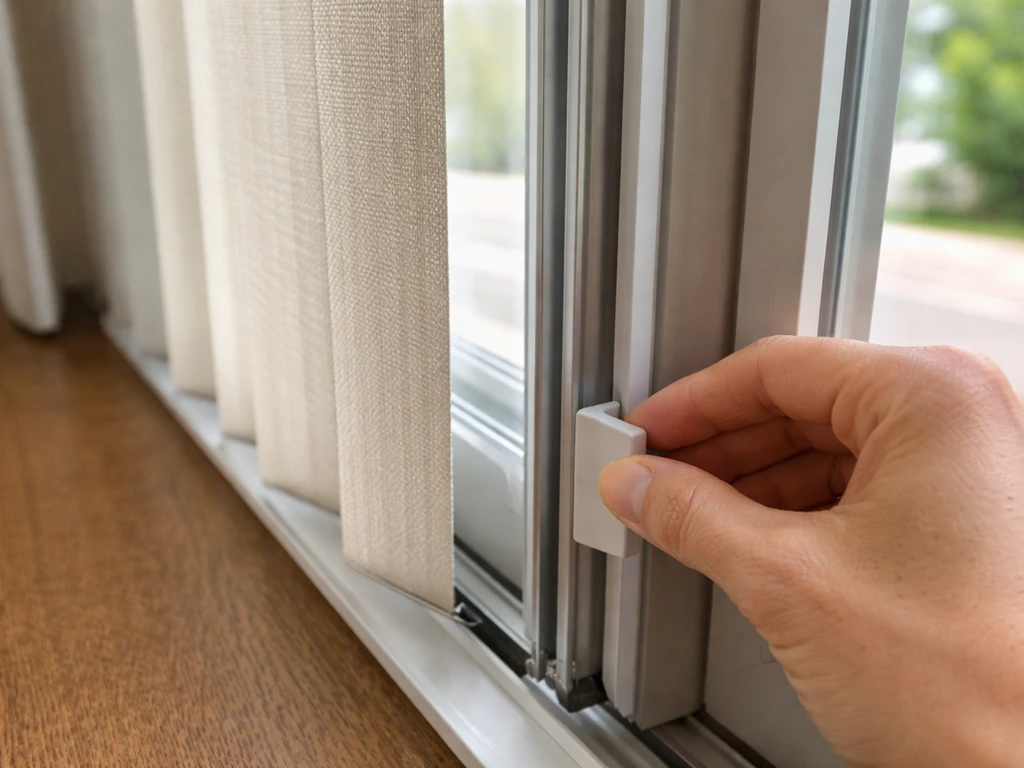
Patio door blinds have a few alignment challenges that window blinds don't. The door moves every time it opens, which vibrates and gradually shifts brackets, guide rails, and hold-down brackets out of position. Here's how to address the main ones.
Start by checking the tracks or side guide channels if your blind uses them. Debris is a surprisingly common culprit: dust, pet hair, and grit accumulate in the guide channels and create drag that feels like a mechanical failure. Wipe the tracks clean with a damp cloth, clear any visible debris from the channel entry points, and test the blind before doing anything else. This alone fixes a lot of "stuck" complaints. If your patio door itself is stuck or hard to move alongside the blind problem, that points to door hardware or alignment issues that are worth diagnosing separately.
If the blind operates smoothly when the door is standing still but binds when you move the door, the issue is usually that the mounting surface isn't perfectly flat. The headrail brackets and cable or pleating brackets all need to be mounted on the same vertical plane. If one bracket is on a slightly different surface than another (for example, one is on the door glass frame and one is on the door surround), the blind will bind or fold unevenly as the door flexes. Remount all brackets to the same surface.
For hold-down brackets specifically: the pin should seat into the hole at each end of the bottom rail with light resistance. If it's too tight, the blind will be hard to raise from the bottom. If it's too loose, the bottom rail swings when the door opens. A tight hold-down pin can be gently widened with a small drill bit one size up. A loose one may need a replacement bracket with a slightly larger pin.
Reassembly, adjustment, and lubrication for smooth operation
Once you've made your repair, take a few minutes to do a proper reassembly and tune-up rather than just snapping everything back together. It makes a real difference in how long the fix lasts.
- Rehang the headrail and confirm it sits level in the brackets before closing the bracket latches.
- Operate the blind slowly through its full range of motion before reattaching any hold-down brackets.
- Check that the bottom rail descends and rises evenly on both sides. If one side leads, adjust cord lengths at the bottom rail knots.
- Apply a light spray of silicone lubricant to any guide rails, tracks, or side channels. Wipe off the excess so it doesn't attract more dust.
- For roller shades, test the tension by raising the shade to the top and letting it sit for 60 seconds. If it starts to creep down, add one more half-rotation of tension before rehanging.
- If your blind uses a tilt wand or cord, confirm the tilter mechanism clicks fully into the headrail slot before testing tilt. A half-seated tilter causes the slats to tilt unevenly or not at all.
- Reattach hold-down bracket pins last, after confirming smooth operation, and check that both pins engage without forcing.
Avoid using WD-40 or oil-based lubricants on fabric blinds or in any area where the lubricant can contact the fabric. It will stain and attract dust, turning a clean fix into a bigger problem. Silicone spray on metal tracks only.
When to replace the blind vs. when to call a pro
Most of what's covered above is genuinely DIY-friendly and costs between $5 and $40 in parts. But there are situations where repair isn't the right call, and it's worth being honest about them.
| Situation | Recommendation |
|---|---|
| Broken single slat on mini blind | DIY repair: easy and cheap |
| Cord lock jammed or worn out | DIY repair if you can source the part; usually under $10 |
| Roller spring dead or broken | DIY if a tension reset doesn't work and a spring kit is available for your model; otherwise replace the shade |
| Twisted or badly bent headrail | Replace the blind; a warped rail causes cascading problems |
| Torn or heavily damaged fabric on pleated/cellular shade | Replace the shade; fabric panels can't be patched long-term |
| Brand-specific parts unavailable or discontinued | Contact the dealer (Hunter Douglas and similar brands sometimes require this); consider full replacement |
| Blind is under warranty | Contact the manufacturer before doing any DIY repair; opening the headrail may void coverage |
| Security or weatherproofing is compromised | Call a pro or replace; a non-functioning blind on a patio door can be a privacy and insulation issue worth taking seriously |
| Motorized or electric blind with a wiring fault | Call a pro; don't attempt to repair motor wiring yourself |
Parts availability is the biggest variable when deciding whether to repair or replace. Brands like Hunter Douglas have part numbers you can order online, but if your blind is an older model or a discontinued style, parts may simply not exist. If you can't find a matching slat, a cord lock that fits, or a replacement roller spring for your tube width, you're better off replacing the whole blind than chasing down a permanent workaround.
One last thing: if the blind operates poorly enough that it's affecting how well your patio door closes or whether the door sits securely when locked, don't leave it in that state. A patio door that can't be properly secured because a blind is jammed is a real security issue. Either do the repair promptly or remove the blind temporarily until you have the right parts to fix it properly.
If you're dealing with a blind that's stuck at an angle and won't tilt back flat, that specific issue has its own set of fixes worth exploring separately. And if your patio door itself is sticky or hard to move alongside the blind problem, that's a separate mechanical issue with the door hardware that's worth diagnosing on its own.
FAQ
Is it ever dangerous to open the headrail when fixing blinds inside a patio door?
Stop and identify whether you have a motorized blind (wired or battery) before opening the headrail. For standard corded or cordless units, there is no electrical hazard, but you should still unplug the power if a motor kit is present and avoid letting the roller tube spring release toward your face.
My blind moves partway, then stops. What should I check first?
If the blind moves until a certain point and then stops, the issue is often an end stop or jammed cord lock, not the main spring. Try operating it with the door fully closed and the tracks clean; if it still halts at the same spot, inspect the cord lock and the route through the headrail for a snag.
The blind works when the door is closed but binds when I open it, why?
Patio doors can flex, and that can make misalignment look random. Confirm both headrail brackets are on the same vertical plane and that hold-down pins seat into the bottom rail holes with light resistance. If the blind is fine when the door is still but binds while moving the door, prioritize remounting brackets to a consistent surface rather than recoding cords.
Can I use WD-40 or oil to make a stuck patio door blind move smoothly?
Yes. Do not use oil-based sprays or WD-40 near fabrics, pleats, or slat surfaces, because they can stain and attract dust. If you need lubrication, use silicone spray only on metal tracks or channels that do not contact fabric, then wipe off any overspray.
My corded blind is completely frozen. How do I prevent making the jam worse?
If a cord lock feels jammed, avoid forcing it by yanking straight down on the lift cords. Pull gently sideways toward the cord lock side to see if the mechanism releases. If it still will not, remove the headrail to clear the jam or replace the cord lock rather than continuing to strain the cord.
Cordless roller shade creeps down after I raise it, what is the correct fix?
A cordless shade that creeps down usually needs extra spring tension, not more force. After raising it fully and removing it from the brackets, roll the fabric back onto the tube in the natural winding direction by two or three full rotations, then rehanging and testing. Keep repeating in small increments until it holds.
My horizontal mini blind tilts unevenly and one side hangs lower, what do I adjust?
If one side of a horizontal mini blind hangs lower, the tilter mechanism may not be fully seated, or the lift cord lengths are unequal. Press the tilter firmly into its slot, then compare cord lengths and equalize them at the bottom rail knots if needed.
I replaced a damaged slat but the blind still tilts wrong. What commonly goes wrong?
If a slat replacement does not seat correctly, re-check orientation and the direction the slats slide out of the tilt ladders (from bottom up). Also confirm the cord is rethreaded through each slat’s routed holes in the correct order before retieing the bottom rail knots.
When should I stop trying DIY repairs and replace the whole blind?
If you cannot find an exact part match (slat size, cord lock type, or spring kit for your roller tube width), replacement is usually the lowest-effort solution. Chasing workarounds can keep you in a loop of rework, especially when parts are discontinued or no matching slat/cord lock exists.
My blind makes it hard to close or lock the patio door. Is that a sign of something specific?
If the blind prevents the door from closing, the pin or bottom rail may be obstructing the door path, the bracket alignment may be off, or the hold-down pin could be too tight or too loose. Either fix the hold-down bracket and alignment first, or remove the blind temporarily until you have the correct pin or bracket replacement.
What’s the best way to avoid messing up the cord routing when recoding a blind?
Take a photo before disassembly any time cords run through multiple internal points, then route the new cord by following the same path. If the old cord is available but snapped, tie it to the new cord as a pull-through guide so the routing stays consistent.
How can I tell whether a bent headrail can be straightened or needs replacement?
If the headrail is twisted rather than just dented, you often will not get reliable alignment back, which can cause repeated binding and cord problems. Straightening minor bends can work, but a twisted rail usually means replacement is the realistic outcome.
Next Article
Patio Door Stuck: Step-by-Step Fix for Sticking Doors
Fix a patio door stuck fast with step-by-step checks for tracks, rollers, alignment, lock issues, and screen or glass.